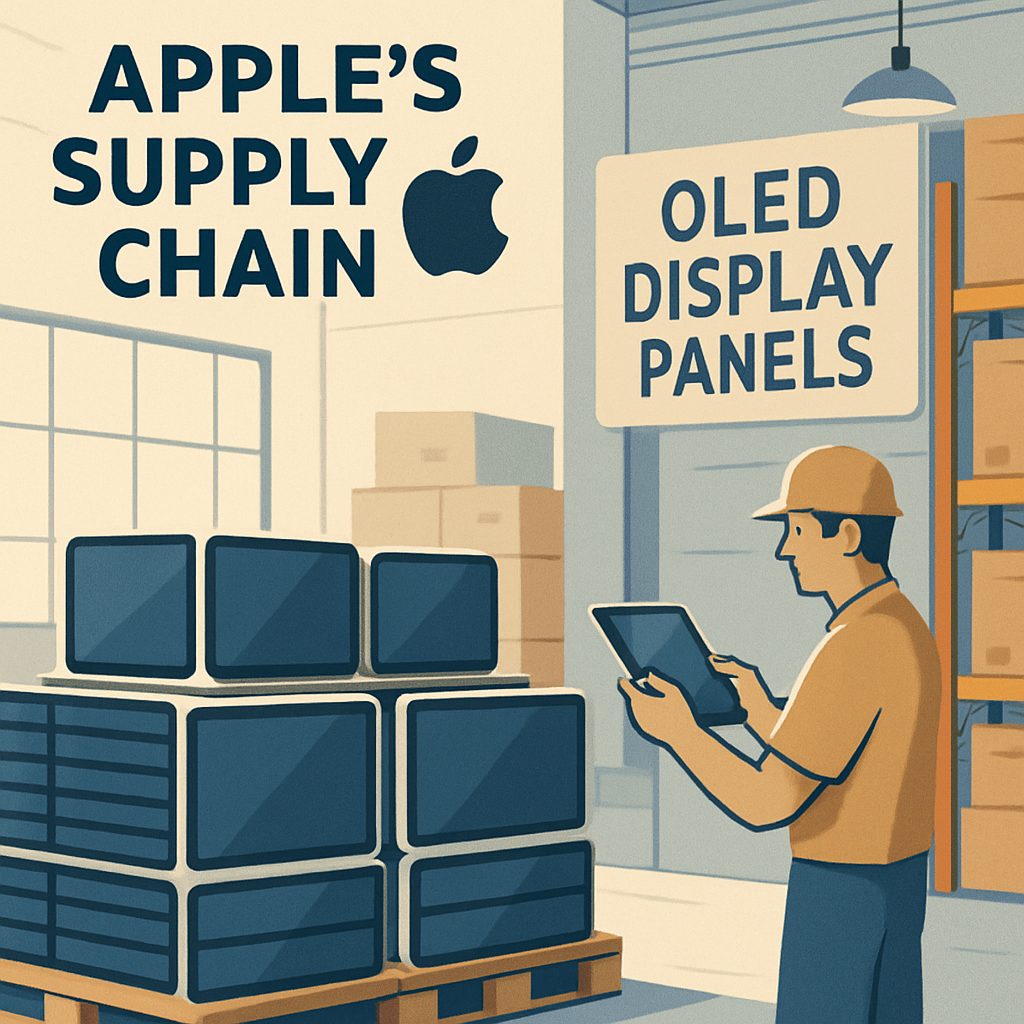
Apple has recently adjusted its inventory strategy by increasing the duration it holds OLED display panels in reserve. This change, initiated in the second quarter of 2026, extends the supply buffer from four to six weeks. Traditionally, Apple has maintained a lean supply chain to minimize costs, making this shift noteworthy.
The decision is reportedly driven by a significant rise in memory chip prices, which has had a cascading effect on other components. By purchasing more display panels in advance, especially during periods of lower sales, Apple aims to stabilize costs and mitigate the impact of these price increases.
In June, Apple raised prices on 14 products, including all Macs and iPads. The upcoming iPhone 18 Pro, expected to launch next month, is also anticipated to see a price increase.
Samsung Display and LG Display continue to be Apple’s primary suppliers for iPhone OLED panels, with China’s BOE providing a smaller share. Industry insiders suggest that this extended holding period may become a standard practice, potentially lengthening further following the release of the iPhone 18 Pro and iPhone 18 Pro Max.
This strategic shift underscores the challenges Apple faces in managing its supply chain amid fluctuating component costs. By proactively adjusting its inventory practices, Apple aims to maintain product availability and price stability, ensuring a consistent experience for its customers.