The U.S. government is reportedly stepping up pressure on Apple to stop purchasing memory chips from Chinese manufacturers—particularly two companies with alleged military ties—as concerns over supply chain security grow. Meanwhile, leaks about the much-anticipated foldable smartphone, likely dubbed the iPhone Ultra, suggest its arrival is near, but limited availability could make it a scarce device at launch. Also in the rumor mill: a sweeping refresh to Apple’s Home product line is expected to rollout later this year.
Washington warns Apple on sourcing chips
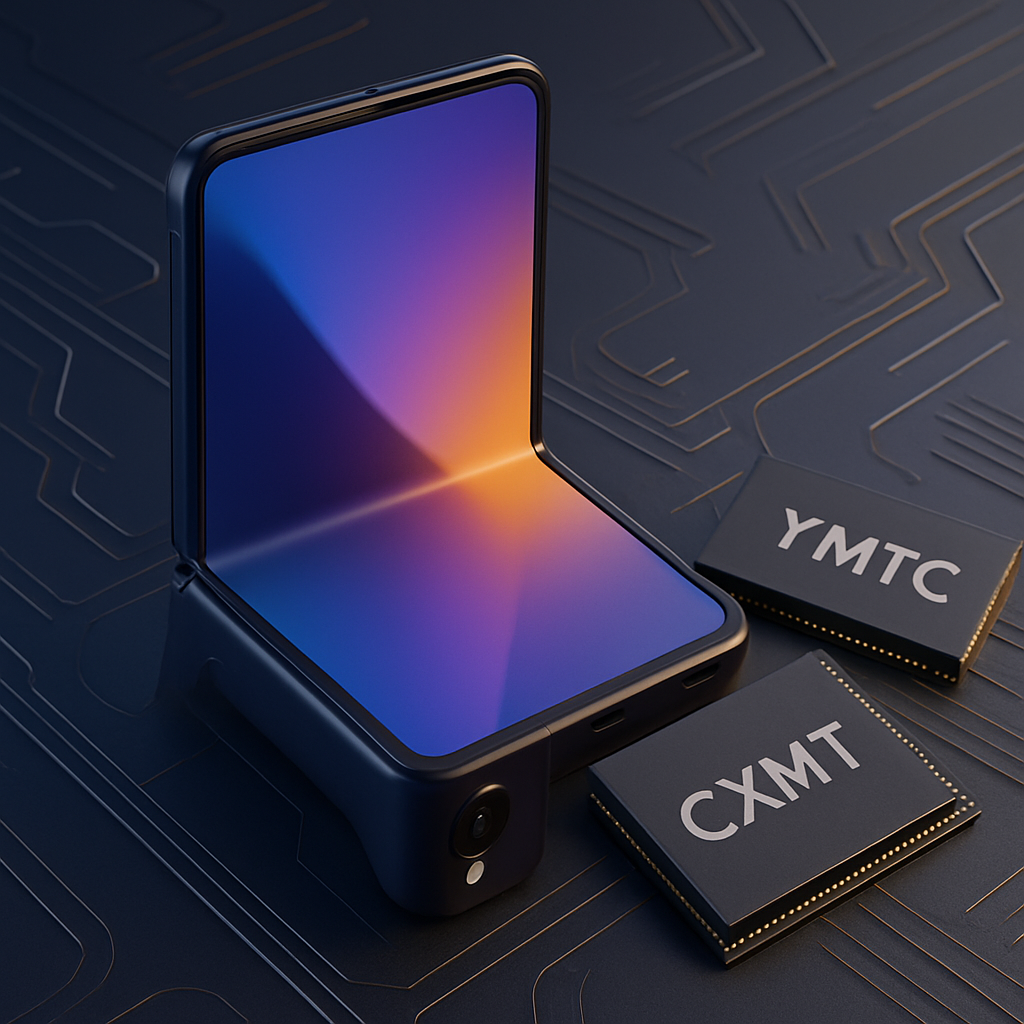
Commerce Secretary Howard Lutnick has openly voiced opposition to Apple acquiring memory components from Chinese firms such as CXMT and YMTC. These companies are under scrutiny for potential connections to the Chinese military and are already regulated under U.S. export control laws. Senators have also urged Apple to commit to buying memory chips made in America, raising concerns about the security risks and strategic implications of relying on foreign suppliers. ([macrumors.com](https://www.macrumors.com/2026/07/30/apple-chinese-chips-senator-letter/?utm_source=openai))
iPhone Ultra: Rumors and release haze
Leaks suggest Apple’s first foldable smartphone—possibly called the iPhone Ultra—will be unveiled in September alongside the iPhone 18 Pro and Pro Max lineup. The foldable device is expected to offer a wider, “passport-style” form factor with a large outer display when closed and an even bigger inner panel once unfolded. ([tomsguide.com](https://www.tomsguide.com/phones/iphones/iphone-ultra-rumors-everything-you-need-to-know-about-the-foldable-iphone?utm_source=openai))
However, reports indicate production is only gradually ramping up, with an early batch expected to be “extremely limited.” The company aims to hit 10 million units, but hinges and assembly remain challenges. Additionally, the Ultra moniker may only stretch to certain regions or materials; in some markets the device could launch under a different name entirely. ([t3.com](https://www.t3.com/tech/phones/iphone-ultra-might-be-hard-to-buy-at-launch-and-not-even-called-iphone-ultra-after-all?utm_source=openai))
Other leaked details include dual rear cameras, possible Touch ID, and distinct corner asymmetry in screen design. Pricing remains speculative, though rumblings point toward a premium figure, likely entering $2,000–$2,500 territory depending on model and configuration. ([tomsguide.com](https://www.tomsguide.com/phones/iphones/iphone-ultra-rumors-everything-you-need-to-know-about-the-foldable-iphone?utm_source=openai))
Big changes coming for Apple Home lineup
New code in iOS 27 and industry leaks hint at Apple preparing a major overhaul of its smart home offerings. Expected launches later this year include updates to the Apple TV 4K, new HomePod models, and new devices like a security camera, video doorbell, and possibly a tabletop home hub. These products appear timed to coincide with Apple’s enhancements to Siri and its HomeKit Secure Video protocol, anchoring the company’s push toward deeper home automation. ([9to5mac.com](https://9to5mac.com/2026/07/30/apple-is-about-to-launch-home-product-overhaul-ive-wanted-for-years/?utm_source=openai))
The stakes are growing: with hardware tied to supply chains and national security, and foldable smartphone designs becoming central to Apple’s roadmap, what happens in September could reshape both consumer expectations and industry norms. What to watch next: whether Apple will actually heed U.S. pressure over Chinese chip purchases, how first-wave supply constraints affect the Ultra’s launch, and whether the new Home devices signal a true shift in how smart homes are built.