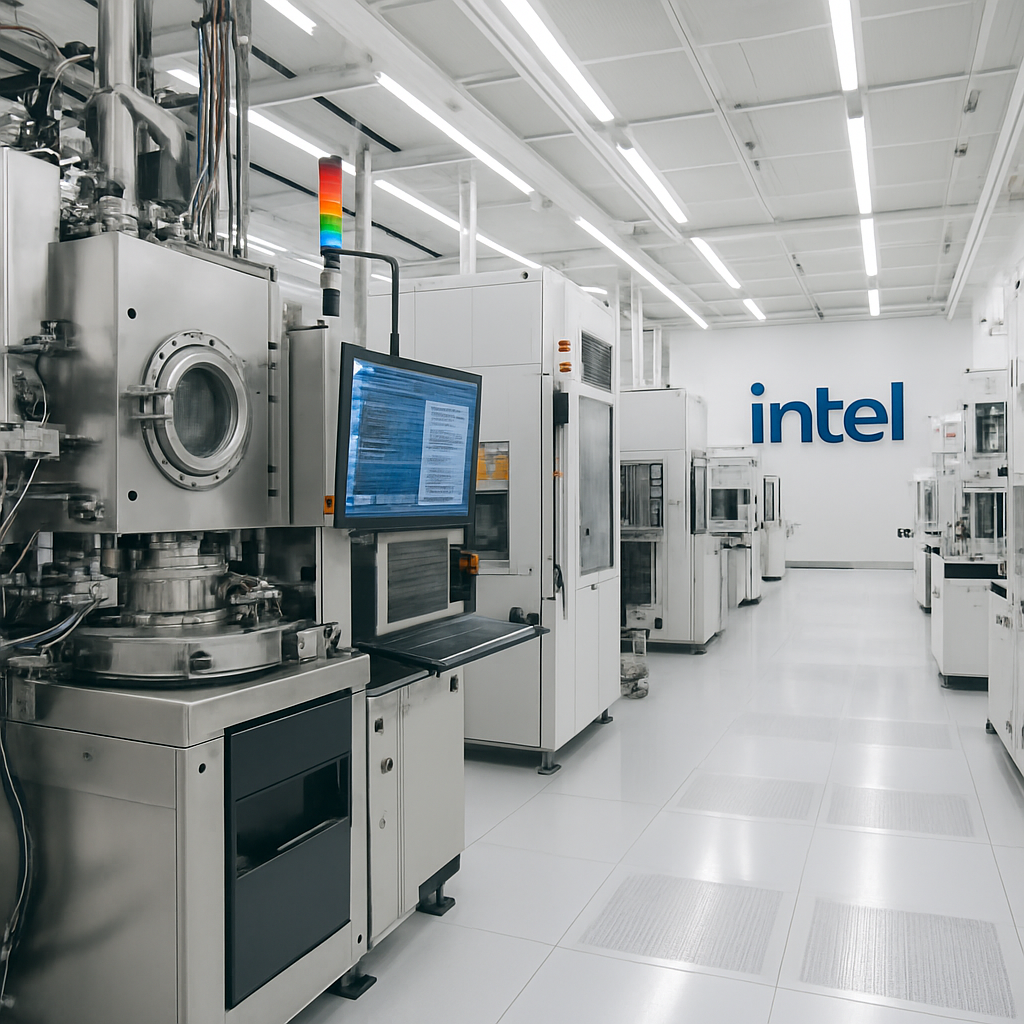
Intel has announced a significant public stock offering, raising $20 billion through the sale of 210,526,315 shares at $95 each. This move, which exceeded the initially planned $15 billion due to strong investor interest, is set to close on August 12, 2026. The company has also granted underwriters a 30-day option to purchase an additional 31,578,947 shares. The net proceeds of approximately $19.7 billion are earmarked for general corporate purposes, including capital expenditures and working capital.
Strengthening Domestic Chip Manufacturing
A substantial portion of the funds is expected to support Intel’s contract manufacturing division, Intel Foundry. This initiative aims to establish a trusted and geographically diversified chip production capacity, addressing growing concerns over semiconductor supply chain security. Intel positions its manufacturing footprint as the only commercial PC silicon manufacturing corridor designed for enhanced transparency and reduced geopolitical supply-chain risk, a claim central to its 2026 Platform Security Report.
Addressing Hardware Security Concerns
The emphasis on domestic chip manufacturing comes at a time when hardware security is under increased scrutiny. Hardware backdoors, tampered firmware, and compromised fabrication processes are now considered credible attack vectors by defense and enterprise sectors. Intel’s foundry recently secured cybersecurity firm Fortinet as its first external customer, with Fortinet planning to manufacture its next-generation SP6 security chip on the Intel 4 process node. This partnership underscores the industry’s confidence in Intel’s fabrication trustworthiness.
However, Intel has faced its own product security challenges. In May 2026, the company, along with AMD, disclosed patches for 70 vulnerabilities across their portfolios, including critical and high-severity flaws in Intel’s advisories. Additionally, researchers have identified hardware logic weaknesses in older Intel platforms, such as Gemini Lake and Gemini Lake Refresh, involving the Global Wrapping Key used to unlock Intel SGX secure enclaves. Intel has confirmed that its newer Trust Domain Extensions (TDX) architecture remains unaffected by these issues.
Intel’s regulatory filings acknowledge these challenges, citing increasing and evolving cybersecurity threats and privacy risks, as well as potential security vulnerabilities in their products, as material risk factors associated with the offering. Geopolitical tensions, including U.S.-China trade disputes and cross-strait issues with Taiwan, further complicate the global supply chain landscape.
Intel’s substantial capital raise reflects a strategic commitment to enhancing the security and resilience of the semiconductor supply chain. By investing heavily in domestic manufacturing capabilities, Intel aims to mitigate risks associated with hardware-level compromises and geopolitical uncertainties. This move not only positions Intel as a leader in secure chip production but also sets a precedent for the industry to prioritize supply chain integrity in an increasingly complex global environment.