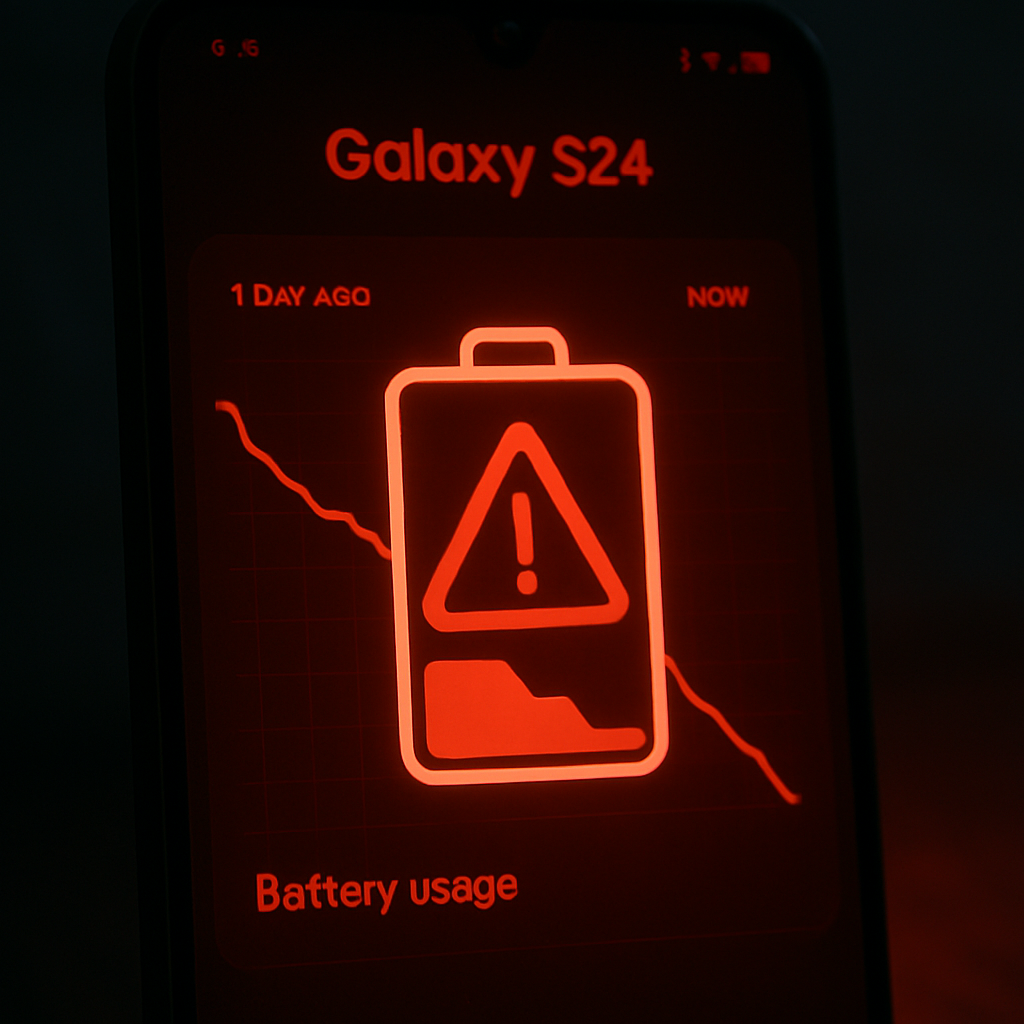
Recent reports from Galaxy S24 and S25 users indicate that Samsung’s One UI 9 update—based on Android 17—is causing noticeable battery performance problems. Users are saying battery life has dropped substantially after installing the update.
Several complaints have surfaced since the more widespread rollout of One UI 9. Some Galaxy S24 owners say their phones die after just over five hours in heavy-use scenarios. Others—both on the S24 and S25—are noticing quicker battery loss even when the device is idle. Community forums and Samsung’s own support boards are filling up with grievances about having to recharge phones multiple times a day, even with moderate usage.
What Users Are Doing to Cope
The issues don’t appear universal—while many are frustrated, not everyone has seen dramatic battery loss. Still, for those affected, a few workarounds are being suggested: rebooting the phone, force-stopping apps that may be draining battery in the background, or executing a factory reset. These are standard troubleshooting steps after firmware changes, but whether they fully reverse the decline is mixed.
What This Suggests for Samsung and Users
Big firmware upgrades have long carried a risk of unforeseen issues, particularly on existing models. For Samsung, One UI 9 aims to deliver new features and refinements, but these may come with trade-offs for battery efficiency—especially early on. The pattern seen here mirrors past experiences where OS updates introduce bugs or energy inefficiencies.
For now, Galaxy S24 and S25 owners should monitor battery health post-update. If usage becomes untenable, Samsung may need to issue a patch or optimization update. Until then, anyone with severe drain might need to roll back to a previous build if possible—or stick to basic tasks until fixes arrive.
What to watch: Whether Samsung confirms these reports, whether an official update that addresses battery drain is released soon, and how widespread the issue becomes beyond early adopters. Also, pay attention to emerging diagnostics tools or firmware tweaks designed to mitigate the problem.