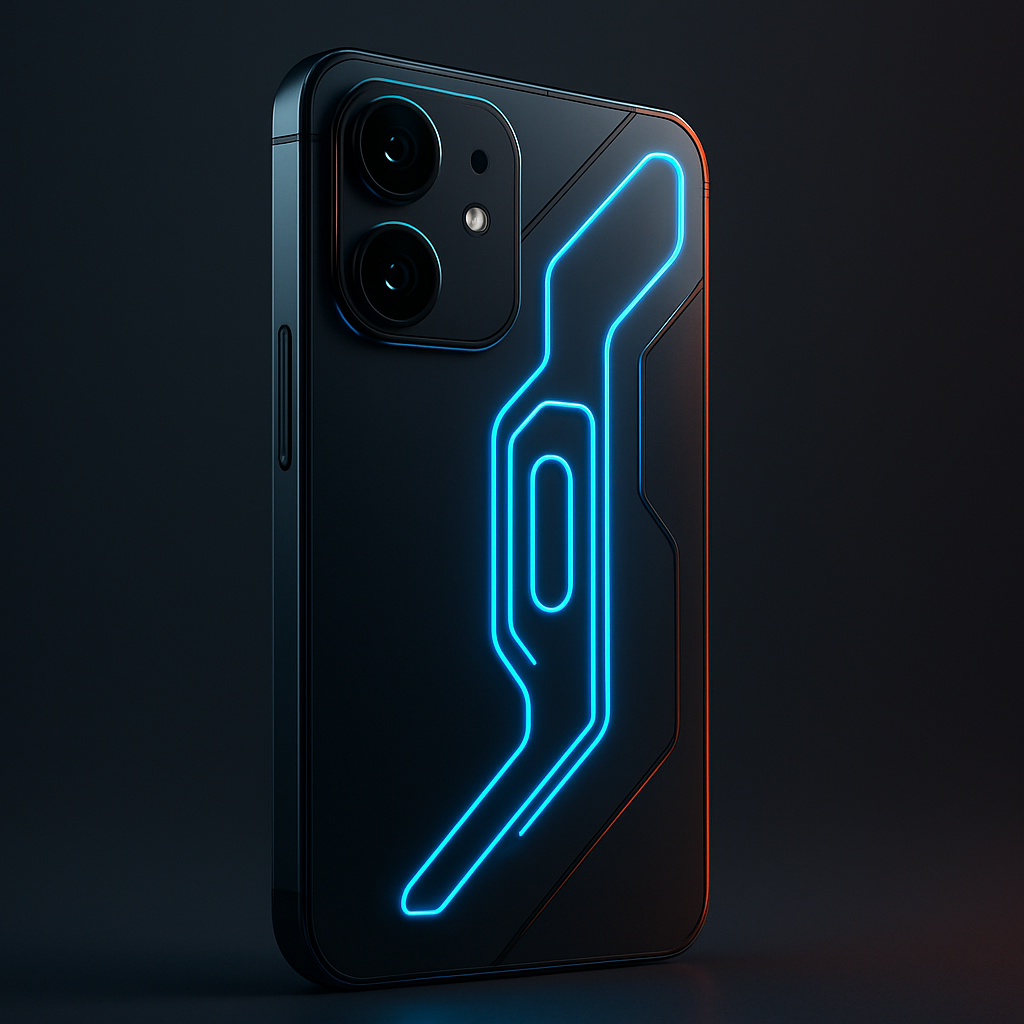
Apple is preparing a second-generation iPhone Air, known informally as the iPhone Air 2, addressing multiple shortcomings of its predecessor. Although its first iteration fell short of sales expectations, the follow-up remains in active development rather than being dropped entirely. Designers and engineers were reportedly told the project was off schedule, but recent information confirms it hasn’t been cancelled.
What’s New Under the Hood
One of the most notable upgrades planned for the iPhone Air 2 is the addition of a second rear camera lens. Unlike a telephoto lens, this extra shooter is said to be an ultra-wide lens—bringing the Air lineup in line with Apple’s base iPhone models.
Powering the device will be Apple’s upcoming A20 Pro chip, which stands to be the company’s first processor manufactured using a 2-nanometer fabrication process. That change should yield more speed and greater power efficiency. The chip is also expected to utilize a wafer-level multi-chip module design, integrating system-on-chip and DRAM at the wafer stage for tighter performance and lower power draw.
Battery, Cooling, and Hardware Upgrades
The battery capacity is projected to increase meaningfully. The iPhone Air 2 may come with a 3,500mAh battery—over 10% larger than the original’s 3,149mAh pack. Combined with the efficiency gains from the A20 Pro chip, users should see significantly improved endurance—though exact usage numbers are still unconfirmed.
Thermal management is also expected to improve through the addition of a vapor chamber cooling system. First seen in the iPhone 17 Pro models, this technology will help the Air 2 stay cooler during heavy use and sustain performance for longer.
When Will It Arrive?
Originally, the iPhone Air 2 was assumed to launch in September 2026 alongside the iPhone 18 Pro lineup. However, recent reports indicate a revised timeline. The latest intel puts its release in spring 2027, coinciding with the launch of the base model iPhone 18.
Apple’s anticipated plan seems to separate the Pro models from the base offerings, with the Air 2 playing a role in the latter category.
Why it matters: The iPhone Air was launched as Apple’s ultra-thin, lightweight iPhone, prioritizing design over some key features like camera versatility and cooling. The Air 2’s upgrades—especially in camera, battery, chip design, and thermal solutions—signal Apple aiming to bring the Air series closer to the standard iPhone baseline in performance and capability.
Analytical angle: Upgrading the Air line could help Apple appeal to users wanting a sleek design without compromising on key features. Stretching the release to spring 2027 may allow Apple to polish these upgrades, but risks letting rivals gain ground. Watch for how Apple differentiates the Air 2 from both the base iPhones and the Pro models, especially in pricing—if Air continues to offer premium design, it’ll need to justify it in features and value.