Google just introduced its newest fitness tracker, the Fitbit Edge, priced at $179. Designed to offer more than its low-cost sibling, the Fitbit Air, the Edge packs in a display, GPS, and elevated durability while running the latest Fitbit OS. Pre-orders are live now, and availability is set for October 27.
Design & Display Upgrades
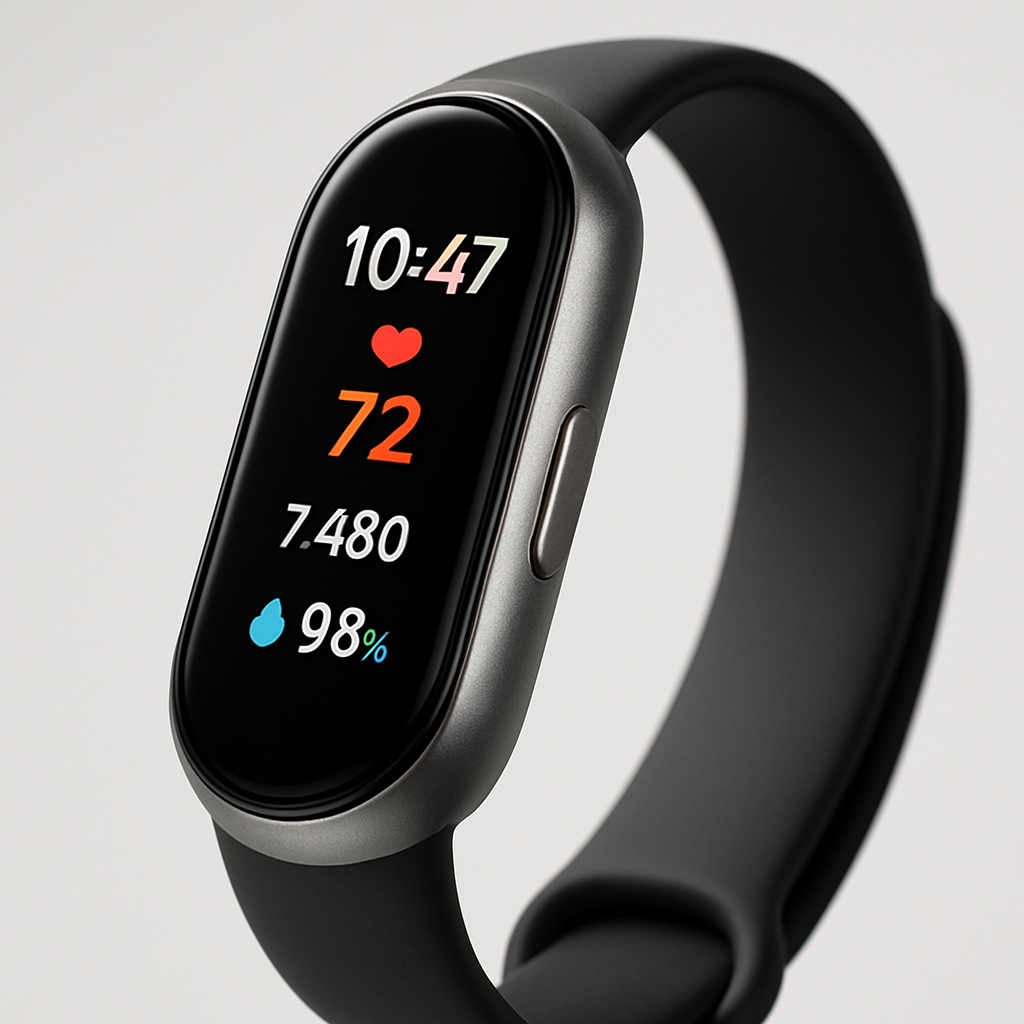
The Fitbit Edge distinguishes itself with a pill-shaped AMOLED screen, protected by Gorilla Glass 3, delivering about 46% more display area compared to last year’s Charge 6. The case is crafted from precision aluminum using nano-molding tech, promising a body that’s stronger yet more compact. It clocks in at 11.5 mm thick and offers IP68 dust protection and 5 ATM water resistance.
Health Tracking & Hardware Specs
Sensors under the wrist include the standard fare—accelerometer, heart rate, gyroscope—plus extras like an altimeter, ECG sensor, ambient light, skin temperature, and red & infrared optical sensors for SpO₂ readings. A dedicated button on the right side is optimized for tactile control during wet activities like swimming.
Battery, Charging & Bands
Battery life ranges from about two days with always-on display enabled down to roughly a week with it off. Charging happens via a magnetic USB-C dock, also used with the Fitbit Air: a full charge takes 90 minutes, and just 5 minutes gets you enough juice for a full day.
The Edge is offered in four metal finishes—Matte Black, Polished Silver, Satin Pyrite, and Champagne Gold—paired with matching Active bands. Additional accessories include an Active Sport band, clasp-less Magnetic band, pricier Metal Links, and a stretchable Performance Loop due soon.
Features, Compatibility & Pricing
The device runs on Fitbit’s OS and supports both Android and iOS. A larger display enables a more interactive UI, borrowing design cues from the Pixel Watch 5. You’ll find dozens of watch faces with analog and digital styles, plus customizable complications via the Google Health app.
Tiles for common features—Workouts, Sleep, Heart, Cycle Health, Music, Weather, Timers, Maps, etc.—are swipe-accessible. Music control works with third-party apps, phone notifications arrive on both platforms, but Android gets the edge with quick replies. One drawback: no NFC means no digital wallet support.
Activity tracking covers over 50 workout types with live guidance. Tracker’s auto-detection, now AI‐powered, learns from your behavior and can recognize over 100 different activities. It also supports heart-rate-broadcasting when paired to external fitness equipment. Users of Fitbit Air, Edge, and Pixel Watch 5 can share the same Fitbit/Google Health account and switch between devices smoothly.
Pricing & Launch Details
The Fitbit Edge launches at $179.99, with a special Stephen Curry Edition costing $219.99. Members can place pre-orders immediately, and the tracker officially hits stores on October 27.
What this means: the Edge targets consumers who want more capability than basic trackers without committing to a full-blown smartwatch. With a large screen, GPS, and advanced sensors, it straddles the line between fitness band and smartwatch. Key trade-offs remain—battery life under always-on mode and lack of NFC—but for many, the price and feature mix may hit the sweet spot. Watch how this device performs in real-world use, especially versus lean competitors and older Fitbit models. This is a defining moment for Google’s wearable lineup as it competes in both fitness and connected health.