Apple’s newest CEO, John Ternus, expressed cautious optimism for the Vision Pro, saying the spatial computing headset holds significant promise—but emphasized it remains in its infancy.
In a recent appearance on French TV’s arts show Clique TV, Ternus responded to critics who have questioned whether Vision Pro is a failure. He described the device as “amazing” and likened its current stage to the early era of computers—functional, exciting, but just beginning its long evolution.
Early Adoption and Use-Cases
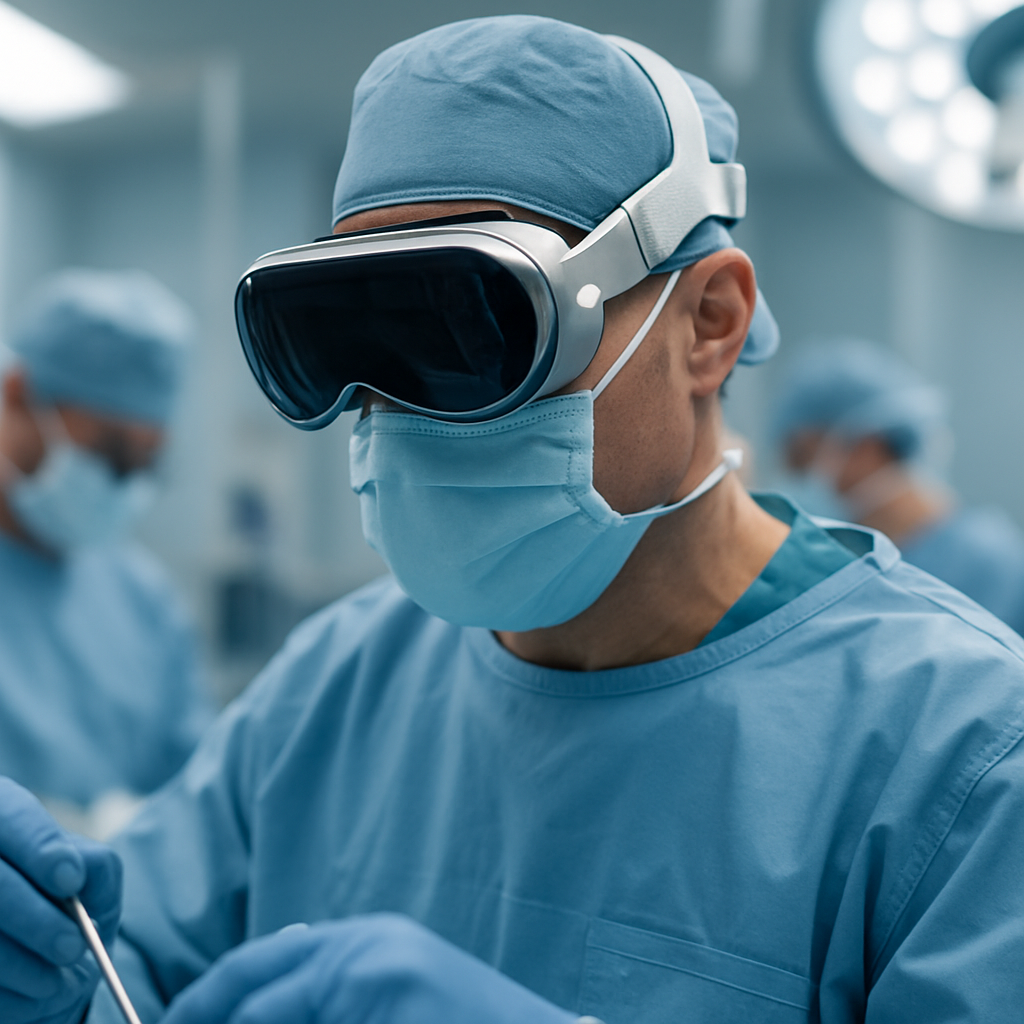
Ternus said that while Vision Pro is currently embraced by enthusiastic early adopters, it’s already proving its value in more specialized settings. He mentioned surgeons using the device during operations, finding it superior to conventional monitors in certain situations. Those developments, he believes, signal emerging use cases that could drive broader adoption.
Leadership Style and Continuity at Apple
Asked whether his engineering background changes Apple’s approach, Ternus downplayed any dramatic shift. He stated that product innovation, a focus on customer experience, and a commitment to developing hardware and services have long been central to Apple’s identity—and will remain so under his leadership.
Ternus also emphasized his personal passion for building products, saying it’s a driving force behind his role. He acknowledged the scale of Apple today—a $5 trillion enterprise deeply involved in both hardware and services—but reiterated that creating breakthrough tech remains a constant.
Regarding the internal challenges, Ternus acknowledged that the Vision Pro division had recently seen workforce reductions. Still, he didn’t indicate any change in dedication to ongoing development of the product line.
What this means: Vision Pro is at a critical inflection point. While its technical strengths are proving useful in niche professional settings, the broader market is waiting for clarity on when and how the product will evolve. Under Ternus’s leadership, the emphasis appears to be on steady refinement rather than rapid overhauls. The questions now are how quickly Apple can expand Vision Pro’s utility, reduce barriers for mainstream users, and position it not just as a novelty, but as an indispensable tool across sectors.