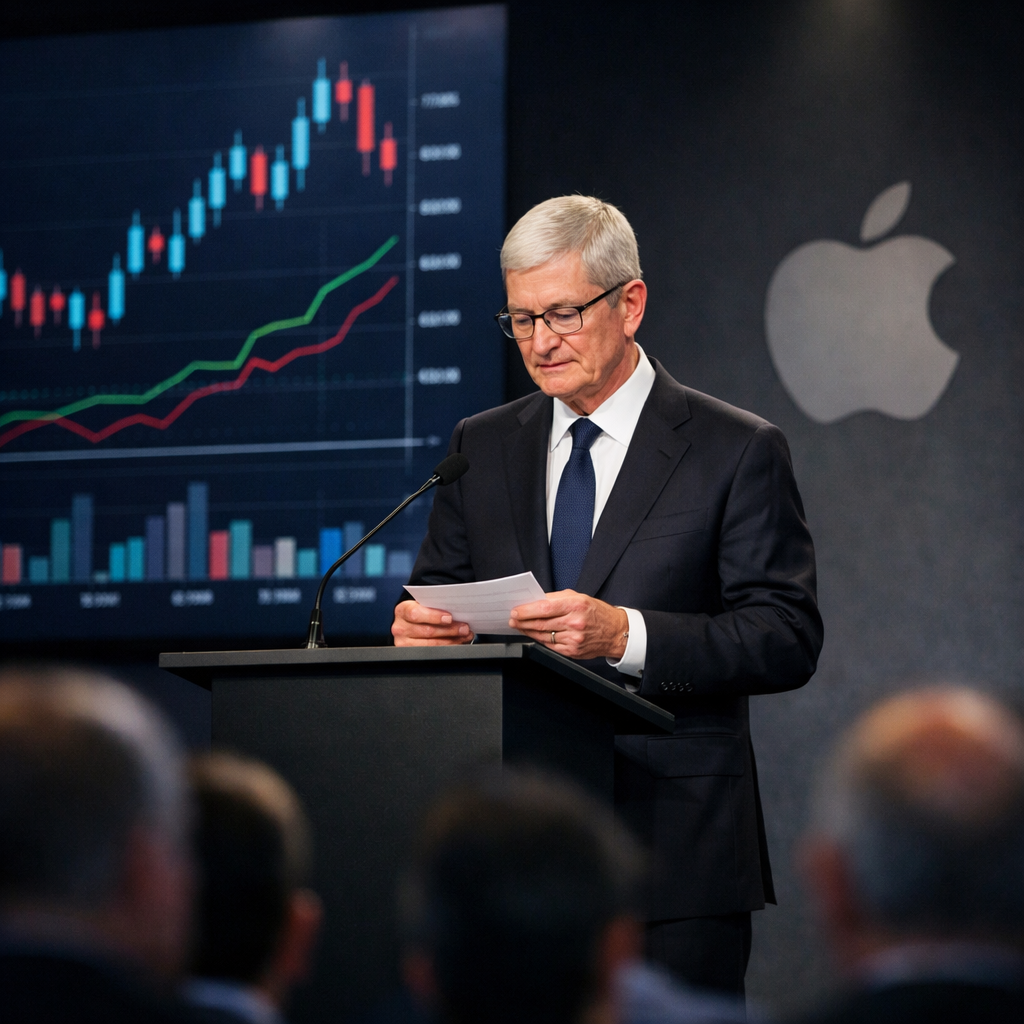
John Ternus’s first earnings call as Apple CEO has sparked debate after critics accused him of hiding behind a script when faced with analyst questions. That criticism, however, misunderstands how earnings calls are structured—and what audience members can reasonably expect. This isn’t a failure of leadership, but a standard part of corporate communication for companies of Apple’s scale.
What sparked the backlash
After Apple’s most recent earnings call, reports from Bloomberg and Fortune criticized Ternus for acting noticeably scripted—particularly during the question-and-answer segment—painting him as overly cautious or disengaged. Some claimed he relied too heavily on prepared remarks, even when pressed by analysts’ follow-up questions. But upon listening closely, it becomes clear those critiques don’t match the reality of what took place.
Earnings calls: structure explains everything
The first half of any earnings call is always a polished, scripted presentation. Companies must recite financials, highlight published results, and adhere to SEC requirements. At a $5 trillion valuation, Apple pays legal teams, management, and financial officers to prepare those remarks thoroughly. Reading straight from a script here isn’t just normal—it’s necessary to stay accurate and compliant.
The shift comes in the second half, when analysts pose questions. Here, prepared responses fade away and executives address issues in real time. Yes, most analysts want insight into unreleased products or future strategy—and Apple routinely draws boundaries around those topics. But in contrast to the opening, the answers are usually unscripted, even if reliant on standard talking points.
How Ternus handled it
Ternus followed that formula. He opened as all CEOs do—with a meticulously crafted script—and maintained the expected standards of legal and financial accuracy. When challenged in Q&A sessions, he responded in real time without leaning on the script template. One observed exchange stood out when he addressed rumors that touchscreen MacBook Pros signaled a merger with iPad. After delivering the typical party line of being proud of both product lines, he added a line that clearly wasn’t script material, saying Apple currently had no plans for “fundamentally different changes,” and that they wouldn’t discuss such speculative shifts even if there were any.
That kind of granular, off-script wording makes all the difference. It shows that despite the formal opening, Ternus is comfortable stepping into less scripted territory when asked—exactly what those questioning him said they wanted.
Why the criticism rings hollow
Calling out Ternus for sticking to a common corporate communications practice turns sound structure into scandal. Reading from a script during opening remarks is standard, expected, and practiced by virtually every public company CEO. Previous Apple leaders, including Tim Cook, did the same, delivering carefully prepared statements vetted by legal teams to avoid mistakes or unintended disclosure.
To suggest Ternus hid behind a script in the Q&A, when he clearly moved beyond the prepared text, is more about optics than truth. It’s rare to see full transparency on every speculation. Earnings calls are legal and financial obligations first, conducted with caution over bold new revelations. The tightrope companies walk is about protecting shareholders, obeying disclosure laws, and managing expectations—not performing a keynote or creating viral sound bites.
What this debate reveals is a misunderstanding of expectations. Listening to an earnings call expecting unreleased product leaks or sweeping strategic changes will almost always lead to disappointment. What you should expect instead: a corporate ritual designed for accountability over drama.
Ultimately, criticisms that Ternus relied too much on a script overlook the real performance—how he handled unscripted moments. And when he did, he didn’t slip. He spoke clearly, added original views, and fielded difficult questions as well as any leader in his spot would. The only real failure would be judging him by standards no CEO could ever meet—for being human, and for following the rules.