Apple’s upcoming foldable iPhone—rumored to be named the iPhone Ultra—is drawing major interest ahead of its expected launch alongside the iPhone 18 Pro this fall. In a recent podcast episode, longtime tech reporter Michael Fisher shared the most credible leaks and expectations for Apple’s first foldable device. Here’s what the latest whispers say about display, design, camera, pricing, and software.
Display, Design & Form Factor
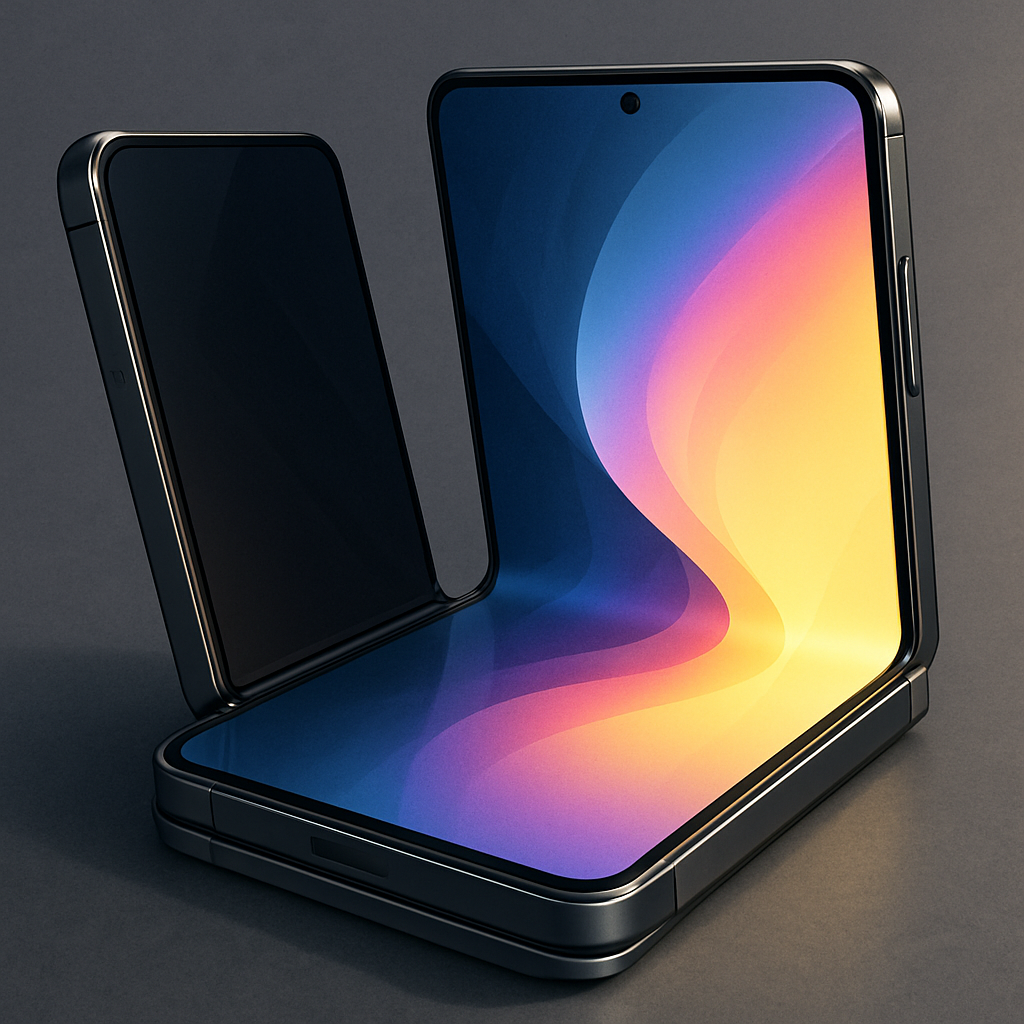
The iPhone Ultra is expected to open to a 7.8-inch inner screen, while its outer display is tipped at approximately 5.5 inches. Some leaks suggest that Apple is shifting toward a shorter and wider build—mirroring what Samsung is doing with its latest Z Fold8—rather than sticking to the tall, narrow profiles that most foldables have adopted. Achieving a nearly invisible crease is said to be a priority. To that end, Apple may use a layered glass structure paired with a liquid-metal hinge to improve durability and feel. Chemical durability and the hinge mechanism, both areas where foldables have often fallen short, are believed to be under intense development.
Camera, Biometrics & Specs
Instead of packing three or more camera modules, the iPhone Ultra may ship with just two rear lenses—and notably, no telephoto lens. For zoomed shots, Apple seems to be accepting optical trade-offs. Meanwhile, fingerprint authentication via Touch ID is thought to be built into the side button. Face ID likely won’t make it into this first version, since the standard TrueDepth sensor setup might be too large or bulky to fit cleanly into the foldable’s thin casing.
Pricing, Software & Production Risks
US pricing is widely expected to cross the $2,000 mark, which would make the iPhone Ultra Apple’s most expensive iPhone launch ever. One big wild card: durability. Foldables have had well-documented issues with hinge durability and dust ingress. Samsung’s foldables, despite years of refinement, still don’t boast full dust-resistance protections. Apple seems aware of this; new code in the iOS 27 beta references a hinge angle, which hints at foldable-specific interface tweaks, and recent app adaptation protocols suggest software is being built to accommodate the form-factor from day one.
Why It Matters
This rumored iPhone Ultra could be Apple’s biggest hardware gamble in years. Foldable phones offer screen real estate and multitasking benefits—but consistent quality, durability, and usability have been the stumbling blocks. Moving from rumor to reality requires Apple to pull off innovations on hinge design, display materials, software adaptation, and manufacturing. If it succeeds, it may re-write expectations for what a premium iPhone looks like. If not, it risks repeating pitfalls that have held foldables back.
With the iPhone Ultra, Apple appears to be aiming for bold innovations rather than incremental upgrades. It promises to stretch the boundaries of smartphone form-factor, blur the line between phones and tablets, and push pricing to new heights. What to watch for: pre-orders and pricing announcements when Apple unveils the iPhone 18 Pro line, official durability specs, and real-world reports of the hinge and display’s performance. How Apple balances these trade-offs could reshape the foldable market—and redefine what a flagship phone can be.