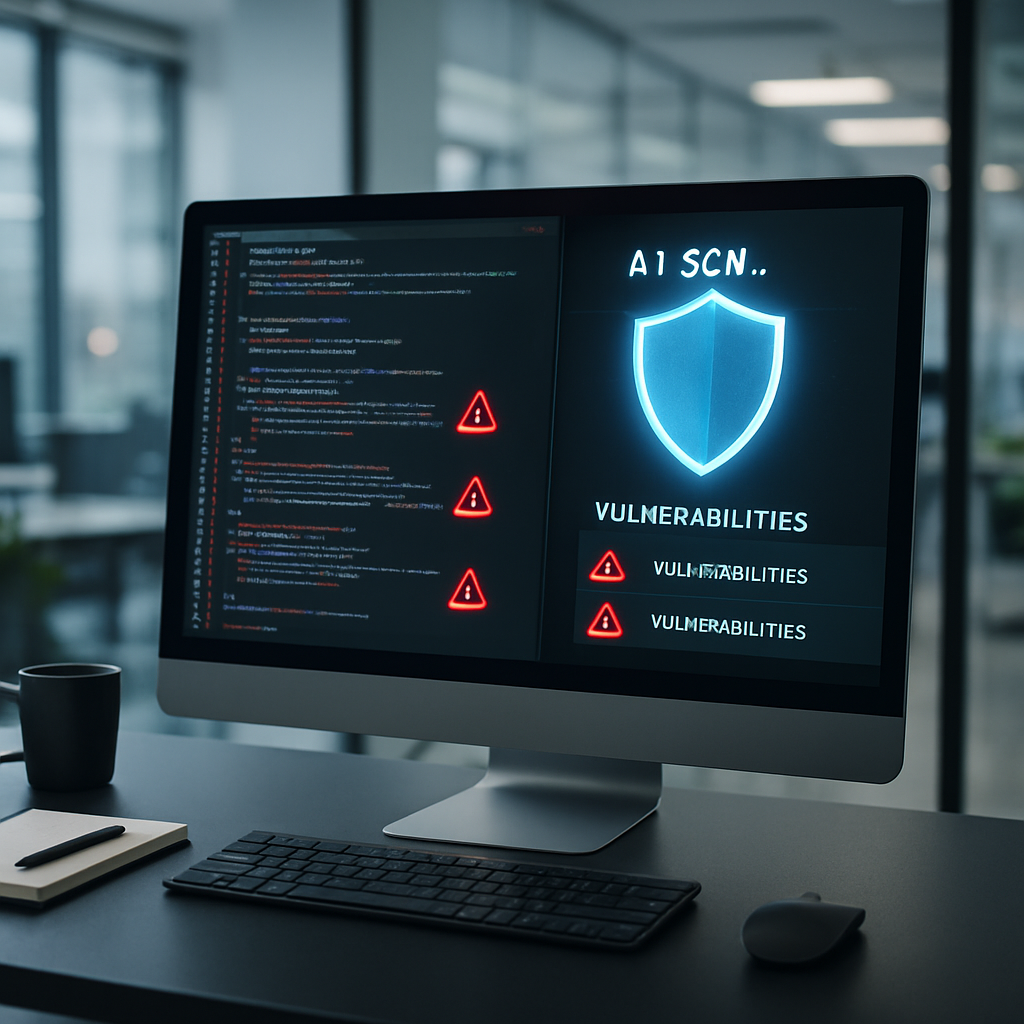
Anthropic has now embedded its most advanced security model, Mythos 5, into its Claude Security service, allowing enterprise customers to scan codebases for vulnerabilities and get AI-powered remediation suggestions. This upgrade aims to bolster vulnerability detection and patching while keeping access to Mythos 5 tightly controlled.([cybersecuritynews.com](https://cybersecuritynews.com/mythos-5-claude-security-scanning/))
What Mythos 5 Adds to Claude Security
Currently in public beta for Claude Enterprise users, Claude Security can scan a selected repository with Mythos 5 and provide results that include classification by Common Weakness Enumeration (CWE), severity levels, confidence ratings, and proposed fixes. These findings are meant for human review so that security teams and developers can evaluate flaws before applying any fixes.([cybersecuritynews.com](https://cybersecuritynews.com/mythos-5-claude-security-scanning/))
There’s no extra cost for using Mythos 5—scans are billed using standard token consumption under a customer’s existing Claude Enterprise subscription. IT administrators in enterprises can enable Claude Security through the admin console, after which authorized users can submit repositories for scanning through the Claude Security interface.([cybersecuritynews.com](https://cybersecuritynews.com/mythos-5-claude-security-scanning/))
Safety, Access, and Human Control
Anthropic has emphasized that while Mythos 5 can generate suggested patches and vulnerability findings, it does not automatically apply any code changes. Remediation must be handled manually or using the organization’s existing code tools. Every proposed change is reviewed and approved by humans to maintain oversight.([cybersecuritynews.com](https://cybersecuritynews.com/mythos-5-claude-security-scanning/))
The integration is built to keep accessibility narrow: Security teams get outputs—lists of vulnerabilities and patch candidates—without the ability to repurpose the model for malicious tasks like exploit creation. The model works behind the scenes in familiar security tools to keep workflows simple and secure.([cybersecuritynews.com](https://cybersecuritynews.com/mythos-5-claude-security-scanning/))
Beyond Scanning: Programs, Partnerships, and Incentives
Anthropic plans to extend Mythos 5 beyond scanning to more defensive tools like incident response and threat intelligence through partnerships. Integrations will include scope controls and safeguards to ensure the model remains focused on sanctioned, defensive cybersecurity tasks.([cybersecuritynews.com](https://cybersecuritynews.com/mythos-5-claude-security-scanning/))
A new $35 million Defender Advantage Fund (0xDAF) will provide Claude credits to organizations working to secure open-source projects. Priority areas include fixing live vulnerabilities in widely used software, automating scalable code scanning and remediation, and protecting against broad classes of attacks.([cybersecuritynews.com](https://cybersecuritynews.com/mythos-5-claude-security-scanning/))
The company is also preparing to grow its Cyber Verification Program. That program gives vetted entities reduced safeguards for working with its Opus and Sonnet models. Broader dual-use capabilities for those models are expected in the coming weeks, and Mythos-level access will be extended to qualified defenders.([cybersecuritynews.com](https://cybersecuritynews.com/mythos-5-claude-security-scanning/))
For enterprise security operations, with Mythos 5 incorporated, Claude Security becomes more than just a scanner—it’s an AI-assisted vulnerability tool that helps translate code findings into contextual, prioritized remediation workflows, all under human supervision.([cybersecuritynews.com](https://cybersecuritynews.com/mythos-5-claude-security-scanning/))
What this launch signals is significant: Anthropic is betting that cybersecurity’s next frontier isn’t just more powerful models, but smarter, constrained deployment that balances power with safety. The $35 million funding and tightening of dual-use controls show the company is serious about securing critical software while addressing the risks of model misuse. What to watch next: whether Mythos-5’s findings live up to its promise, how partners integrate it into the ecosystem, and how quickly those dual-use pathways for Opus and Sonnet open up for trusted defenders.