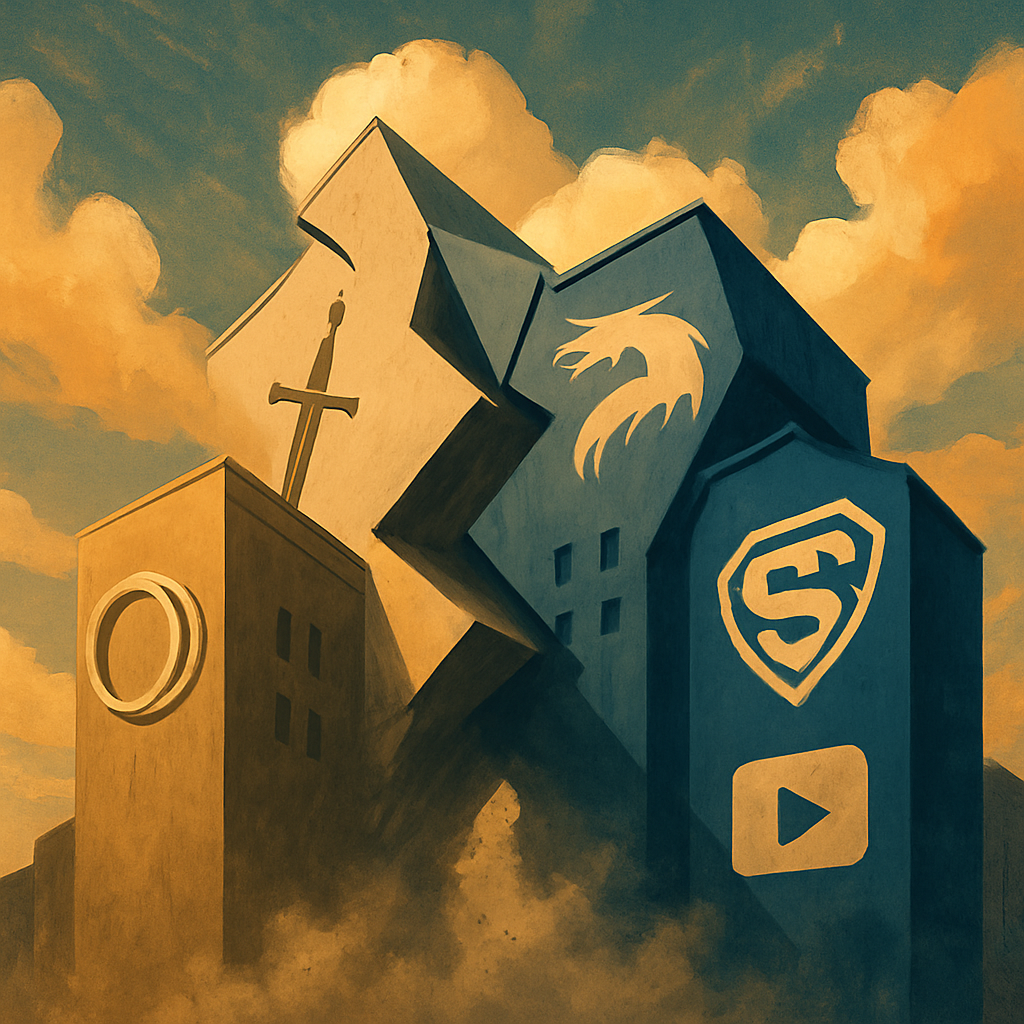
In one of the biggest media mergers in history, Paramount has officially acquired Warner Bros. Discovery for roughly $110 billion, launching a new entertainment giant named Skydance. The combined company brings together Paramount+, HBO Max, and a vast portfolio of television networks, including CBS, CNN, MTV, TBS, Comedy Central, and Food Network. Skydance also inherits blockbuster franchises like The Lord of the Rings, Game of Thrones, the DC Universe, and Yellowstone.
Leading the newly formed Skydance is David Ellison, who gains control of this global studio following a prior merger between Skydance Media and Paramount just last year. The Ellison family, with support chiefly from Larry Ellison—Oracle cofounder and David’s father—stands as the largest shareholder in the new entity.
To seal the deal, Skydance settled legal challenges from U.S. states and won concessions from Hollywood’s writers’ union. Prior to the acquisition’s close, Paramount had outbid Netflix in negotiations over Warner Bros., offering not just superior terms but also covering any breakup fees due to Netflix from the ended agreement.
What Skydance Will Look Like
The newly merged corporation projects nearly $70 billion in annual revenue. Its Class B shares will begin trading on the New York Stock Exchange under the ticker “SKYD.” With the scale of television and streaming combined with powerful IPs, Skydance is now positioned to rival legacy studios and digital-first competitors alike.
What This Means for Media Competition
The alignment of two streaming heavyweights—Paramount+ and HBO Max—alongside major broadcast and cable outlets signals a strategic shift. Skydance’s ownership of marquee franchises adds weight in an era where compelling content is the crown jewel. The company’s financial muscle and content breadth aim to accelerate its influence over production, distribution, and streaming battles.
In shaping this new powerhouse, regulatory dynamics and creative labor remain points of ongoing importance. With merger approvals and writer agreements now in place, integration challenges loom: which brands will be maintained, how streaming platforms will be merged or differentiated, and what this means for viewers’ access to content.
Ultimately, this merger is not just a headline—it reshapes the entertainment landscape. Skydance’s deep coffers and intellectual property arsenal make it a dominant player to watch. Key signs will be how it handles streaming pricing, content strategy across platforms, and whether it fosters or stifles creative voices in the quest for scale.