ScrollEd, a startup based in Palo Alto, is reimagining how we consume textbooks by transforming static material into dynamic, scrollable content similar to TikTok or Instagram Reels. Their app converts PDFs or text-based books into a feed format that delivers lessons via AI-generated video, audio, text, and interactive quizzes. Swiping up brings new topics, while lateral swipes let users delve deeper, culminating in quizzes to reinforce understanding.
This concept addresses the challenge many students face with engagement—particularly younger learners who favor short-form, vertical content. ScrollEd believes that adapting educational content to formats students already engage with could make learning more immersive and accessible.
Who’s Behind ScrollEd
The company was founded this year by Utsav Gupta and Rebecca Neff, both students—Gupta studies AI and human purpose at Stanford; Neff is in computer science at the University of Pennsylvania. The idea emerged from their own frustrations with doomscrolling and a sense that traditional educational materials fail to match the modes of media younger generations gravitate towards.
How It Works & Business Model
ScrollEd operates on a freemium basis: basic features are free, while advanced tools come through a Pro subscription. Institutions like universities or corporate training programs can license the platform annually, which grants them access to analytics such as engagement metrics and progress tracking. The startup’s short-term roadmap includes a full consumer launch, expanding its lesson library, refining how it verifies sources, and piloting with institutions. Longer-term goals include adaptive learning tools that respond to individual student needs.
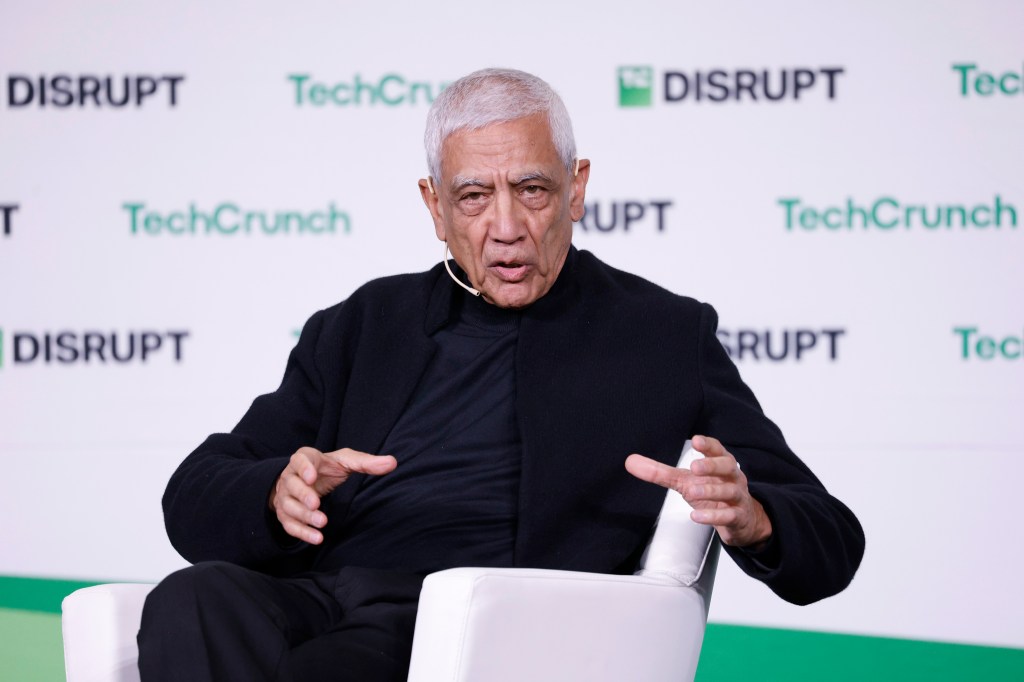
The primary target markets are educational institutions, corporate training bodies, and everyday learners seeking an alternative to conventional reading. The company plans to showcase its consumer-facing product at the upcoming Disrupt tech conference in San Francisco this October.
ScrollEd’s founders acknowledge that while short-form media may spark curiosity, learning deeply still requires paths to explore—this is why the app is built to enable seamless transitions from bite-sized content to more detailed explanations. The intention is not to chase endless engagement, but to design a feed that supports real comprehension and curiosity.
Ultimately, ScrollEd seeks to build a social learning network—one that’s aligned with how people naturally consume media today, but richer in educational value.
Analysis: ScrollEd’s model taps into a growing recognition that education must adapt to media habits shaped by TikTok, Reels, and other short-form platforms. By meeting students where they already are—swiping, tapping, consuming fast—it could lower the barrier to learning for many who find traditional textbooks inaccessible. Success will hinge on execution: how reliably ScrollEd converts dense academic content without oversimplification, how well it maintains source credibility, and whether institutions embrace it beyond novelty. What to watch: the effectiveness of its adaptive learning tools, how it moderates content quality, and whether its library scales enough to serve diverse fields without diluting depth.