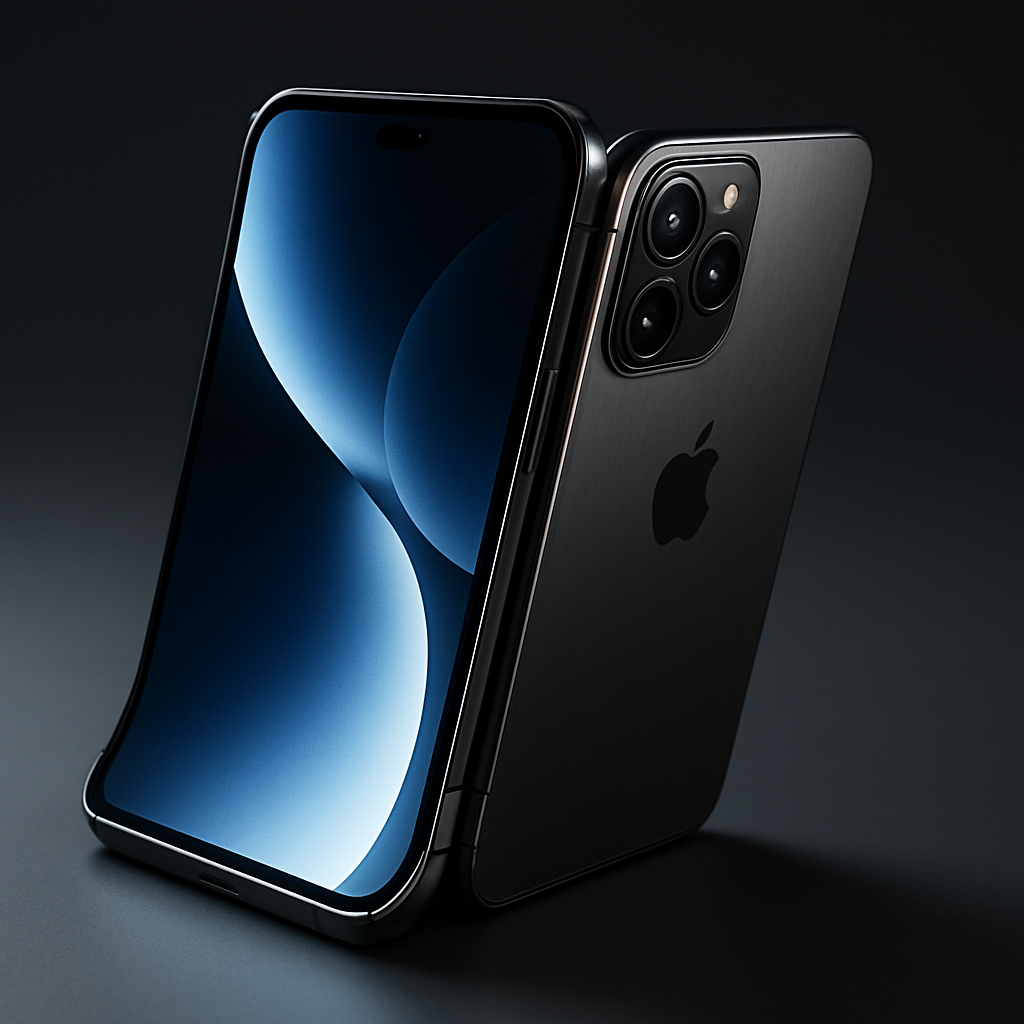
Apple’s long-rumored first foldable smartphone, the iPhone Duo, is now official — and it’s being positioned as the linchpin in turning stagnant iPhone revenue growth around. With a starting price of $1,999, the Duo isn’t meant for bargain hunters. Its primary role is to tempt high-end users with something truly new and premium.
According to projections from IDC analysts, Apple could shift around 10 million units of the Duo in its first year. Driven by excitement over novelty, this model is expected to generate approximately $27 billion, or about 6% of Apple’s total revenue in fiscal 2026. The pricier, high-capacity versions are particularly crucial here — the more expensive tiers are anticipated to dominate sales, mirroring trends seen in rival foldable phones like Samsung’s Galaxy Z Fold8.
Where It Fits in the Foldables Landscape
Foldable handsets have been the fastest-growing segment of the smartphone market, with total foldable revenue rising 16% year-over-year in 2025. Meanwhile, sales of traditional non-foldable phones grew at roughly half that pace, about 7%. Apple is entering this space now, but analysts expect it to make significant inroads. In 2025, Android devices accounted for nearly 90% of all foldables sold, but forecasts place iOS devices capturing about 30% of the foldable market by the end of 2026, rising to 40% in 2027. By then, the Duo alone could represent close to half of all foldable smartphones.
Existing iPhone customers who typically buy Pro and Pro Max models are expected to be early adopters. Apple will also lean heavily on trade-in incentives and installment plans to ease the high upfront cost and make the new form factor more financially approachable. If successful, these strategies will help the Duo pull existing users into a higher price bracket without extra discounting.
Why This Matters for Apple’s Future
From a revenue standpoint, Apple has been stuck with mostly flat growth in the smartphone segment. Between 2022 and 2025, annual revenue rose only modestly, largely sustained by customers who delayed upgrades for multiple years. For Apple, the Duo could be the catalyst that prompts more frequent upgrades — particularly among users who’ve been holding out.
If Apple’s project succeeds, the Duo does more than just add a new model — it redefines the top tier of the iPhone lineup. It’s not just hardware; it’s a cultural statement. But making that statement will require flawless execution, given tight margins in foldables, steep retail pricing, and competition from Android devices already refining the format.
Analysts believe forecasts are believable barring serious missteps. If Apple can deliver a polished foldable — both in hardware durability and software smoothness — this could be one of its most important launches in years.
What this means going forward: The iPhone Duo represents more than a technical path; it signals Apple’s determination to reignite growth through innovation. Watch closely for how consumers respond not only to its form factor, but its pricing structure and performance. Depending on early reviews, it’ll define how aggressively Apple will lean into foldable designs in coming years.