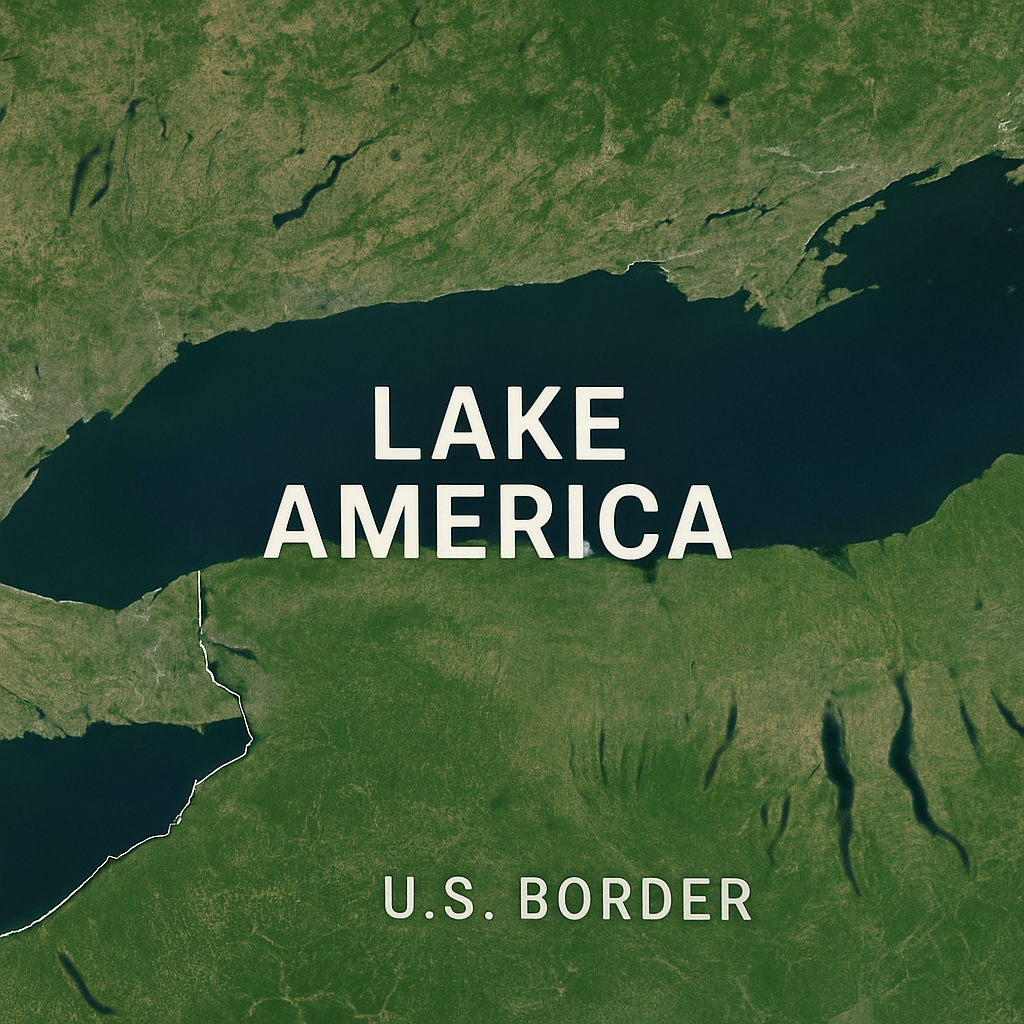
The U.S. administration is pressing Apple to update Apple Maps so that Lake Ontario is renamed “Lake America”. This move follows a formal name change made in the U.S. Geographic Names Information System (GNIS), with Google already planning to reflect the new label. For Apple users, the change hasn’t gone live yet — but it likely will soon.
Origin of the name change
President Trump recently declared that Lake Ontario should now be referred to as Lake America, making this the latest act in a row over trade tensions with Canada. The order triggered an official alteration in the GNIS for the smallest of America’s Great Lakes. It didn’t take long for Google to say its version of Maps would adopt the update. Apple has also been approached directly by the White House to make the change. As of Monday, U.S. Interior Secretary Doug Burgum confirmed the White House had requested Apple update its Maps product, saying Apple’s change would happen “soon.”
What this means for map users
As of the morning of August 31, 2026, Apple Maps still displays “Lake Ontario” when users search for it. But the expectation is that the label will switch to “Lake America” in the near future — initially for U.S. users, following how mapping databases work. Google’s approach makes this clear: those in the U.S. will see Lake America, Canadian users will keep Lake Ontario, and international users will see Lake Ontario followed by Lake America in brackets.
This isn’t the first time mapping names have become political. Earlier in 2025, an executive order changed the name “Gulf of Mexico” to “Gulf of America” among many others. Apple and Google both later updated their maps based on GNIS changes. These name changes affect only how U.S. services and databases label places; other countries are free to stick with older names.
Outside the U.S., the lake will still be known as Lake Ontario. Even once Apple flips the label for its U.S.-based users, international versions of Apple Maps likely won’t reflect “Lake America”.
Why the change matters: While this update might seem minor, map data naming is a potent symbol of political power. When the government directs a change in official place names, it’s not just cosmetic—it reinforces national narratives, subtly shifts identity, and influences how geography is perceived. Apple will now face the tightrope of implementing national policy changes while balancing international norms and user expectations. What to watch: whether Apple gives Canadian users a dual label as Google is doing, how quickly the rollout happens, and how other international services respond.