Samsung’s Galaxy S26 Vertical Camera Design: A Signature Look with Functional Challenges
Samsung’s Galaxy S26 series has introduced a design that the company proudly identifies as its core identity, particularly emphasizing the vertically aligned triple-camera system. This design choice, while distinctive, has sparked discussions about its practicality and the user experience it offers.
Design Philosophy and Evolution
In a recent interview, Samsung’s Senior Vice President Lee Ji-young expressed high praise for the Galaxy S26’s design, highlighting elements such as the optimal corner curvature of 7R—a curvature radius of 7mm—which is also reflected in the S Pen’s design. Lee Il-hwan, Vice President and head of the mobile design team, referred to the vertically arranged triple-camera setup as the core identity of the Galaxy. This design unification extends across Samsung’s flagship series, creating a consistent aesthetic that distinguishes Galaxy devices in the competitive smartphone market.
User Experience and Practical Concerns
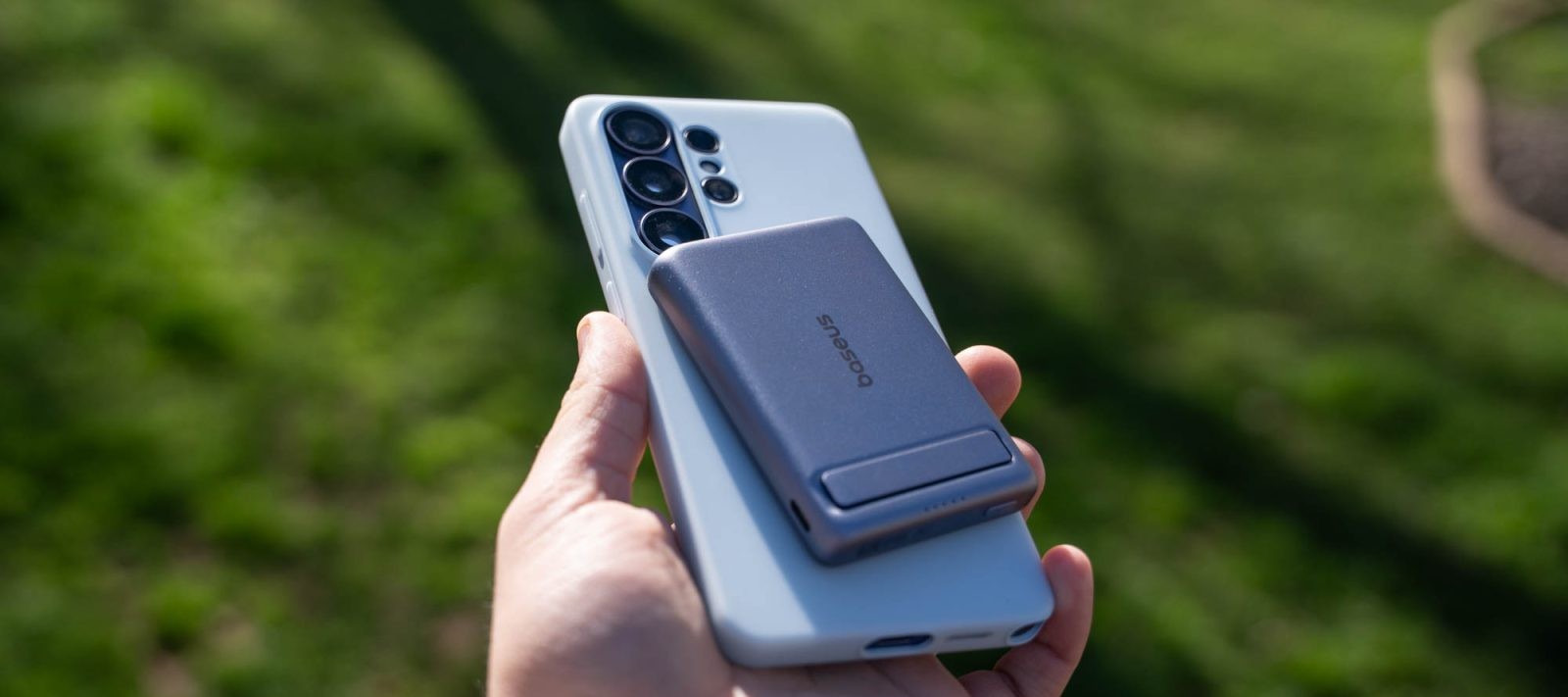
While the Galaxy S26’s design is undeniably sleek and recognizable, it introduces certain functional challenges. The vertical camera alignment, positioned to the left of the device’s back, causes noticeable wobbling when the phone is placed on flat surfaces. This issue is exacerbated by the camera module’s protrusion, making tasks like typing or interacting with the screen while the device rests on a table less stable and potentially frustrating.
Additionally, the design impacts the device’s compatibility with Qi2 magnetic wireless charging accessories. The camera bump’s placement can interfere with the alignment of magnetic chargers, leading to inconsistent charging experiences. Users have reported difficulties in maintaining a stable connection with Qi2-enabled accessories, sometimes resulting in slower charging speeds or the need for precise positioning to achieve optimal charging efficiency.
Comparative Design Perspectives
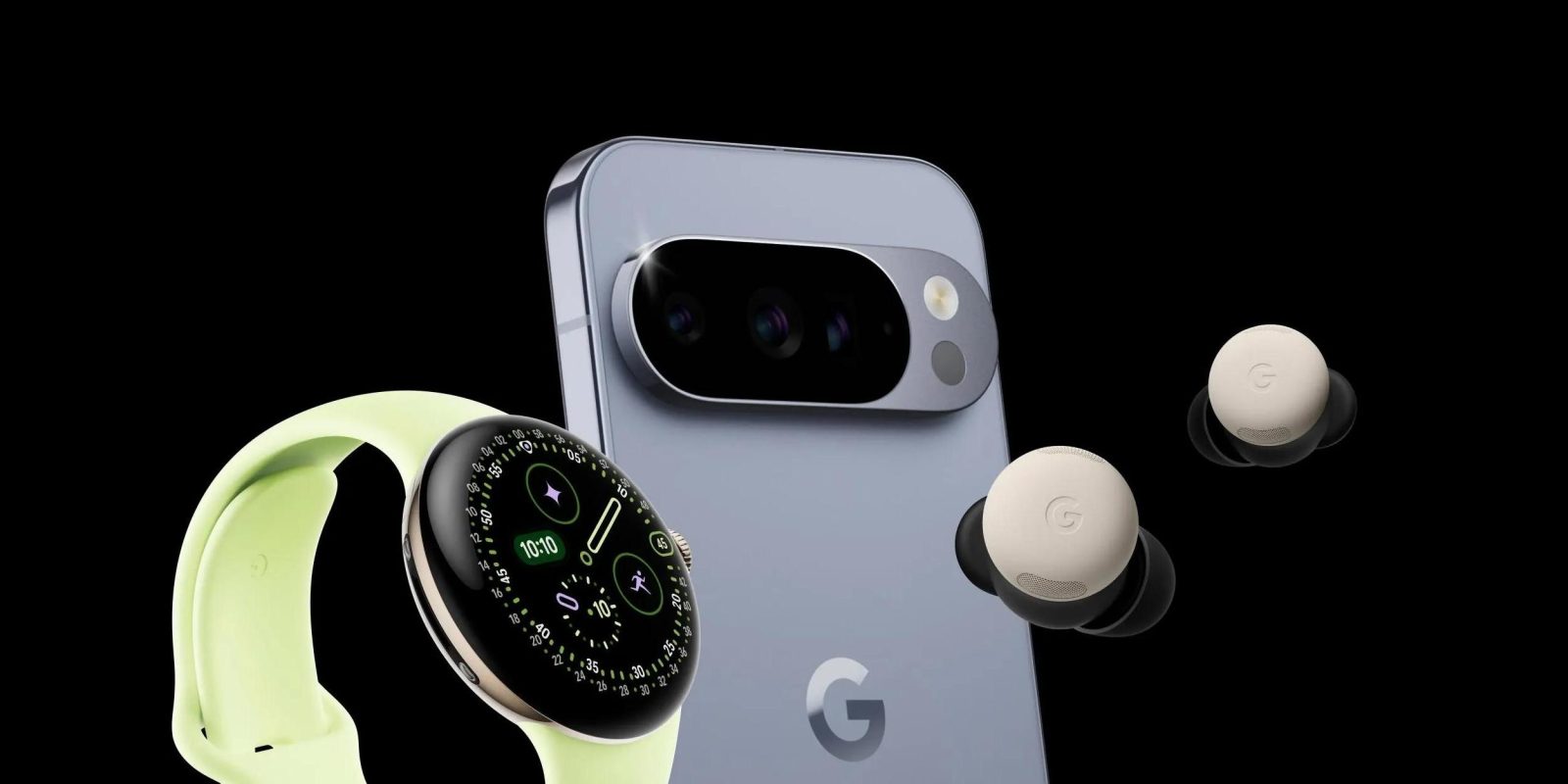
Samsung’s commitment to a unified design language contrasts with strategies employed by competitors. For instance, Google’s Pixel series features a distinctive camera bar that spans the device’s width, providing a unique aesthetic while ensuring stability when placed on flat surfaces. This design choice effectively eliminates the wobbling issue associated with off-center camera modules.
Apple’s recent iPhone models have also adopted a two-camera design that bears resemblance to Samsung’s approach. However, Apple’s implementation focuses on minimizing protrusions and ensuring a balanced device profile, addressing some of the ergonomic concerns that arise with prominent camera bumps.
Potential Solutions and Future Considerations
To address the functional drawbacks of the current design, Samsung could explore several avenues:
– Repositioning the Camera Module: Centering the camera array could distribute weight more evenly, reducing wobbling and improving stability on flat surfaces.
– Reducing Camera Protrusion: Minimizing the extent to which the camera module protrudes from the device’s body could enhance both aesthetics and functionality.
– Enhancing Accessory Compatibility: Designing the device with accessory integration in mind, particularly for wireless charging solutions, could improve user experience and broaden the range of compatible peripherals.
While maintaining a recognizable design is crucial for brand identity, balancing aesthetics with practical usability is essential. As the smartphone market continues to evolve, addressing these ergonomic and functional concerns will be vital for Samsung to meet user expectations and maintain its competitive edge.