The Evolution of Google Assistant: Transitioning to Gemini
Since its debut in 2016, Google Assistant has been a cornerstone of voice-activated technology, seamlessly integrating into devices like Google Home and Pixel smartphones. Its intuitive Hey Google command became synonymous with hands-free assistance, setting a high standard in the realm of digital assistants.
The Rise and Plateau of Google Assistant
Initially, Google Assistant revolutionized user interaction by enabling voice-activated updates, information retrieval, and smart home control. Its ability to understand and execute specific commands positioned it ahead of competitors like Siri and Alexa. However, as technology advanced, the Assistant’s capabilities began to show limitations. Its reliance on predefined commands and lack of adaptability to complex queries highlighted the need for a more sophisticated system.
Feature Reductions and User Impact
Over the years, users have observed a gradual reduction in Google Assistant’s functionalities. In early 2024, Google announced the removal of 18 features, including the ability to manage cookbooks and reschedule calendar events via voice commands. By March 2026, additional features were discontinued, leaving the Assistant with a significantly reduced set of capabilities. Notably, intuitive multimedia controls, such as favoriting or sharing photos and querying their locations by voice, were eliminated. Voice commands for Photo Frame and screen settings were also removed, along with utilities like Interpreter Mode and Family Bell, which were either discontinued or made more cumbersome to use.
These reductions have led to a trust deficit among users who invested in the smart home ecosystem, expecting consistent and reliable features. The removal of functionalities that were once selling points for devices has raised concerns about the longevity and reliability of digital services.
Device Compatibility and the Shift to Gemini
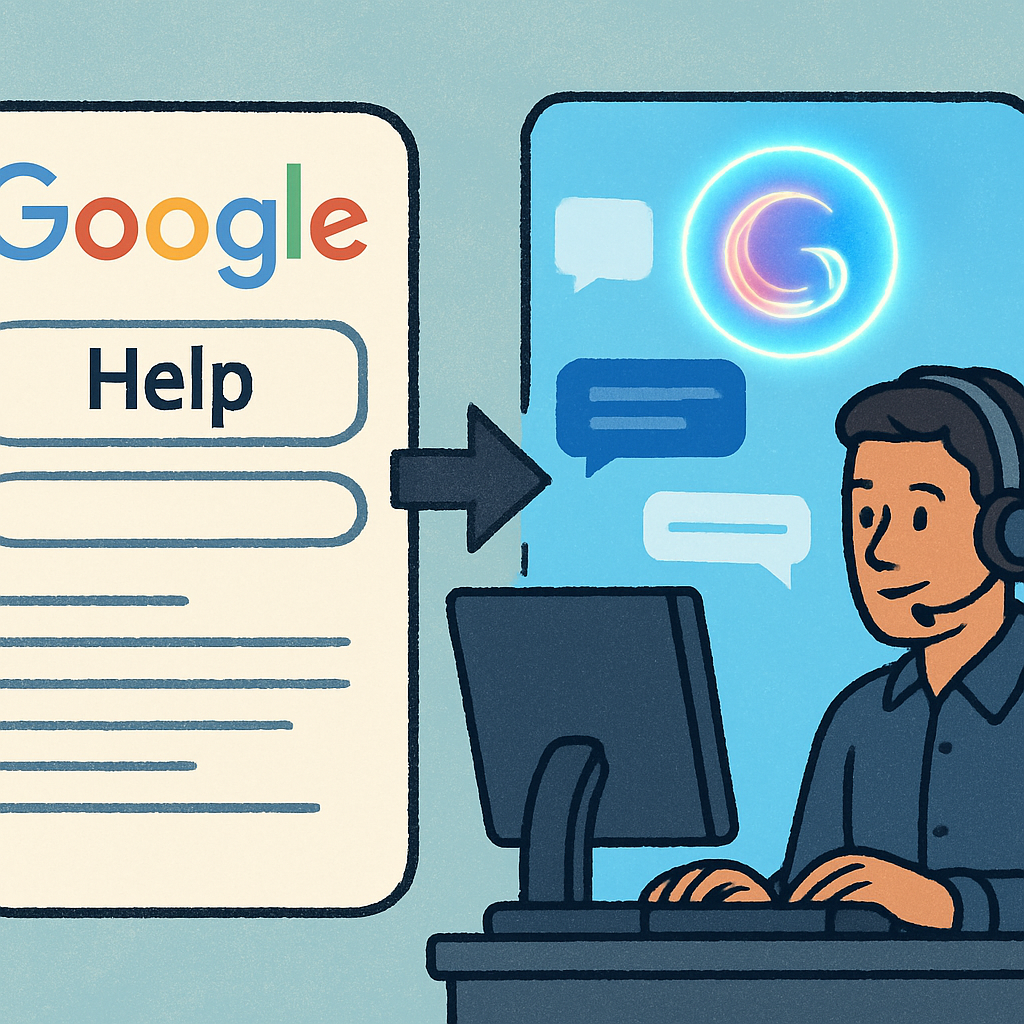
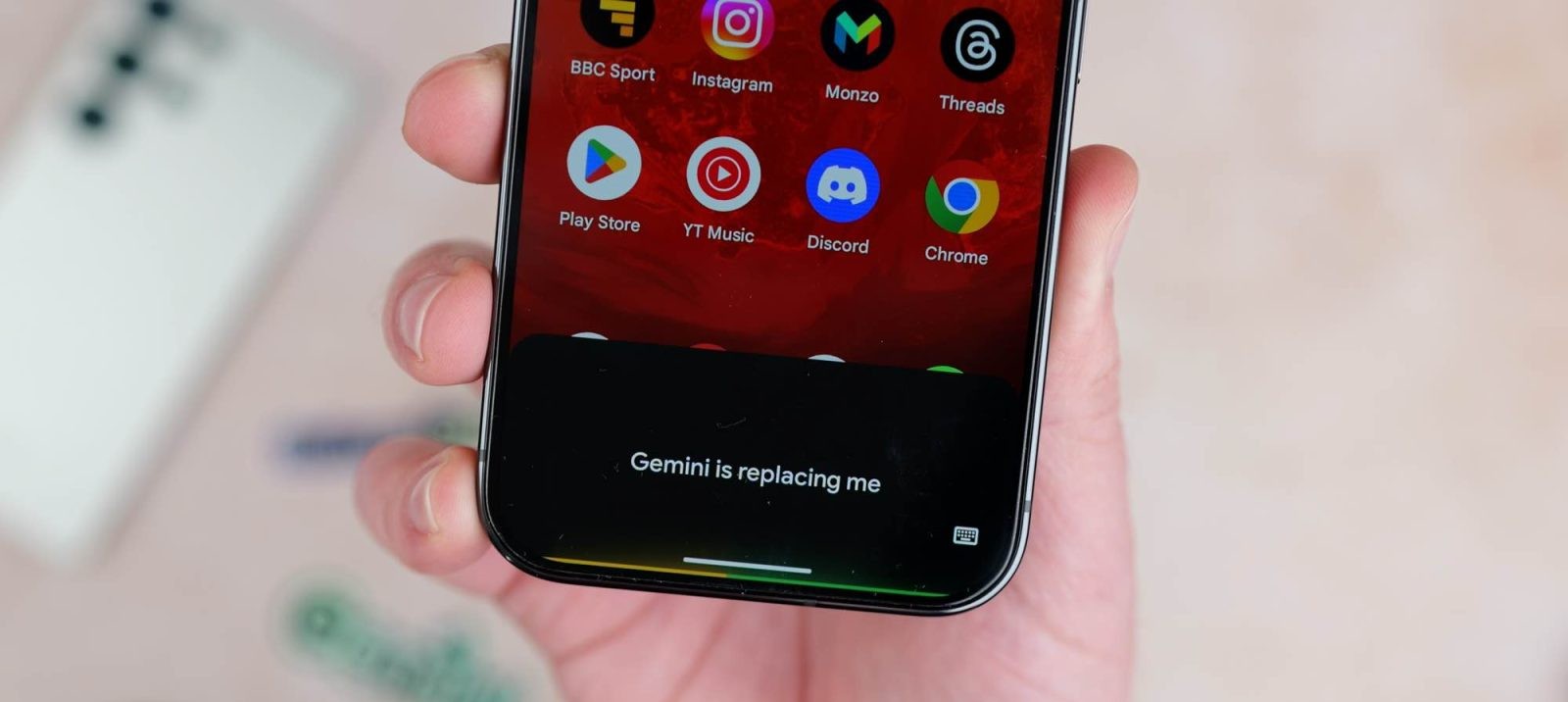
The phasing out of Google Assistant has affected a wide range of devices. In December 2025, Google announced that Gemini would replace Assistant on Android devices by 2026. This transition means that new devices will no longer support Google Assistant, and existing devices will gradually lose access to it. Chromebooks have also been affected, with the Chrome OS 134 update initiating the shift to Gemini. While this change introduces new features for Chromebook users, it also signifies a strategic pivot towards productivity-focused AI capabilities.
The automotive sector is not exempt from this transition. Google Assistant is being replaced on Android Auto and will eventually be phased out on Android Automotive systems. Existing devices will continue to function but with limited capabilities, as the focus shifts towards integrating Gemini into Google’s ecosystem.
Introducing Gemini: The Next Generation Assistant
Gemini represents Google’s next step in voice-activated assistance, aiming to address the limitations of its predecessor. Unlike Google Assistant, Gemini is designed to understand and process complex queries, offering more natural and context-aware interactions. It leverages advanced language models to provide proactive assistance, moving beyond the reactive nature of traditional voice assistants.
The transition to Gemini is not merely a software update but a reimagining of how users interact with their devices. Future hardware, such as the upcoming Google Home speaker, will be built with Gemini at its core, offering enhanced capabilities and a more intuitive user experience. This shift signifies a move towards assistants that can anticipate user needs and provide assistance without explicit commands.
Privacy Considerations and User Adaptation
As with any advancement in technology, the introduction of Gemini raises questions about privacy and data security. The enhanced capabilities of Gemini require access to more personal data to provide context-aware assistance. Google has emphasized its commitment to user privacy, implementing robust security measures to protect user information. However, users are encouraged to review privacy settings and understand the data-sharing implications of using advanced AI assistants.
Adapting to Gemini may require users to familiarize themselves with new commands and interaction methods. While the transition aims to be seamless, there may be a learning curve as users adjust to the enhanced capabilities and different operational paradigms of Gemini. Google plans to provide resources and support to assist users during this transition period.
Conclusion
The evolution from Google Assistant to Gemini marks a significant milestone in the development of digital assistants. While the transition involves the phasing out of familiar features and devices, it also introduces a new era of more intelligent, context-aware, and proactive assistance. Users are encouraged to stay informed about these changes, explore the new capabilities offered by Gemini, and consider the privacy implications of adopting advanced AI technologies.