Apple’s AirPods Pro 3: Pioneering Silent Communication with Infrared Cameras
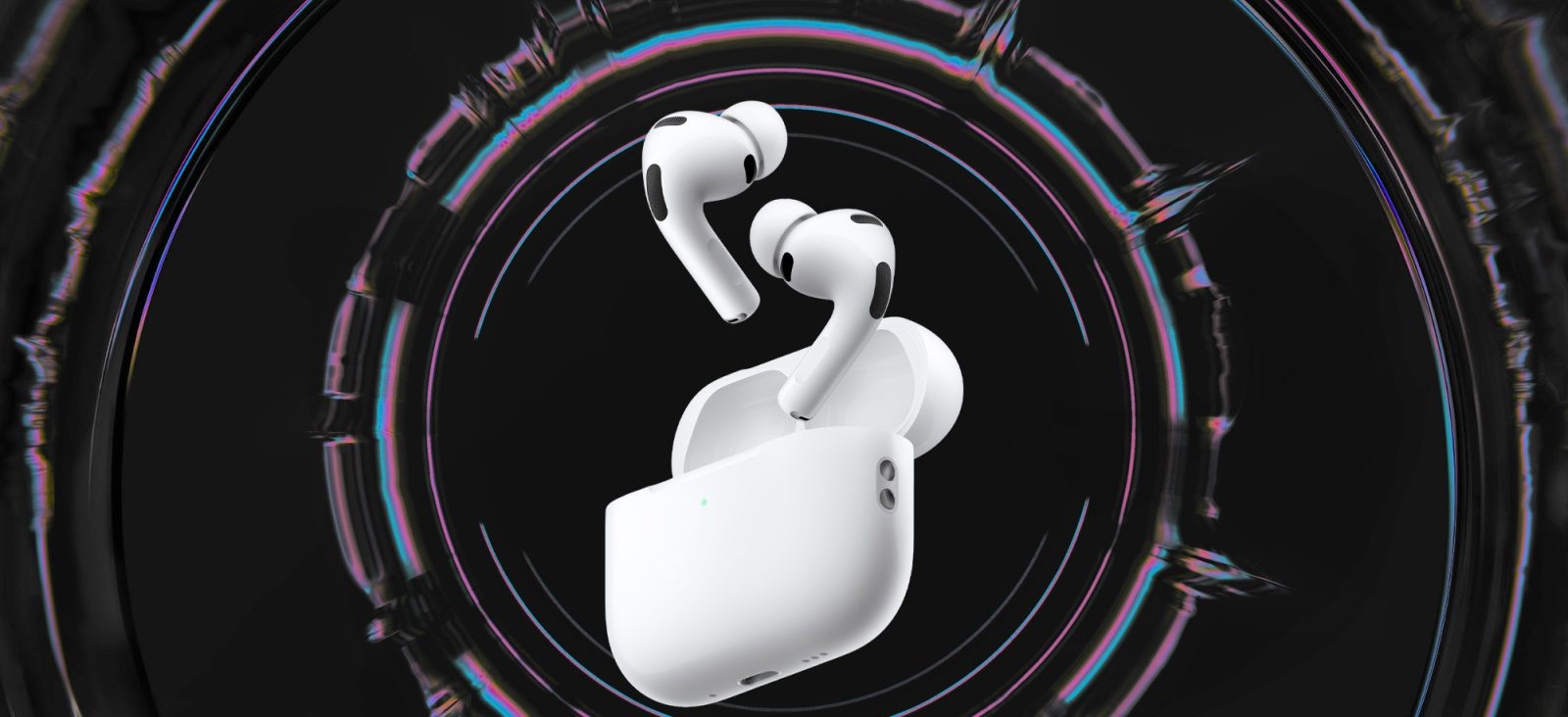
Apple is reportedly developing a new variant of its AirPods Pro 3, integrating infrared (IR) cameras to enable silent communication through advanced artificial intelligence (AI) technology. This innovation follows Apple’s acquisition of Q.ai, a startup specializing in analyzing facial micro-movements to interpret speech without audible sound.
Acquisition of Q.ai and Its Implications
Earlier this year, Apple acquired Q.ai for over $2 billion, marking its second-largest acquisition to date. Q.ai’s expertise lies in decoding facial micro-movements and patterns to determine speech without audible input. This technology is particularly relevant for devices lacking traditional input methods, such as smart glasses. However, its integration into AirPods Pro 3 suggests a broader application across Apple’s product ecosystem.
Integration of Infrared Cameras in AirPods Pro 3
Reports indicate that Apple is developing a new version of AirPods Pro 3 equipped with IR cameras. While initial speculation linked this feature to Visual Intelligence, the positioning of the cameras in earbuds raised questions about its practicality. The acquisition of Q.ai provides clarity, suggesting that the IR cameras will facilitate silent speech recognition by capturing subtle facial movements.
Silent Speech Recognition: A New Mode of Interaction
The integration of IR cameras in AirPods Pro 3 aims to enable users to communicate with their devices silently. By analyzing facial micro-movements, the earbuds can interpret speech without the need for audible sound. This feature could revolutionize interactions with devices like iPhones, iPads, and Macs, allowing users to issue commands or dictate text discreetly.
Existing Technologies Supporting Silent Speech
AirPods already incorporate technologies that could support silent speech recognition, including accelerometers, skin-detect sensors, and heart rate monitors. The addition of IR cameras would complement these features, creating a comprehensive system capable of accurately interpreting silent speech. The success of this functionality will depend on Apple’s ability to develop sophisticated software that seamlessly integrates these hardware components.
Potential Applications and User Experience
The ability to communicate silently with devices has numerous potential applications. In environments where speaking aloud is impractical or disruptive, such as meetings or public transportation, users could issue commands or compose messages without drawing attention. This feature could also enhance accessibility for individuals with speech impairments, providing a new mode of interaction with technology.
Anticipated Release and Market Impact
Rumors suggest that the new AirPods Pro variant with IR cameras will debut by the end of the year. If successful, this innovation could set a new standard for wearable technology, influencing the development of future devices and applications. The integration of silent speech recognition aligns with Apple’s commitment to enhancing user experience through cutting-edge technology.
Conclusion
Apple’s development of AirPods Pro 3 with integrated IR cameras and silent speech recognition technology represents a significant advancement in wearable devices. By enabling discreet communication through facial micro-movements, Apple is poised to redefine user interaction with its ecosystem of products. As the anticipated release approaches, consumers and industry observers alike are eager to see how this groundbreaking feature will be implemented and its impact on the market.