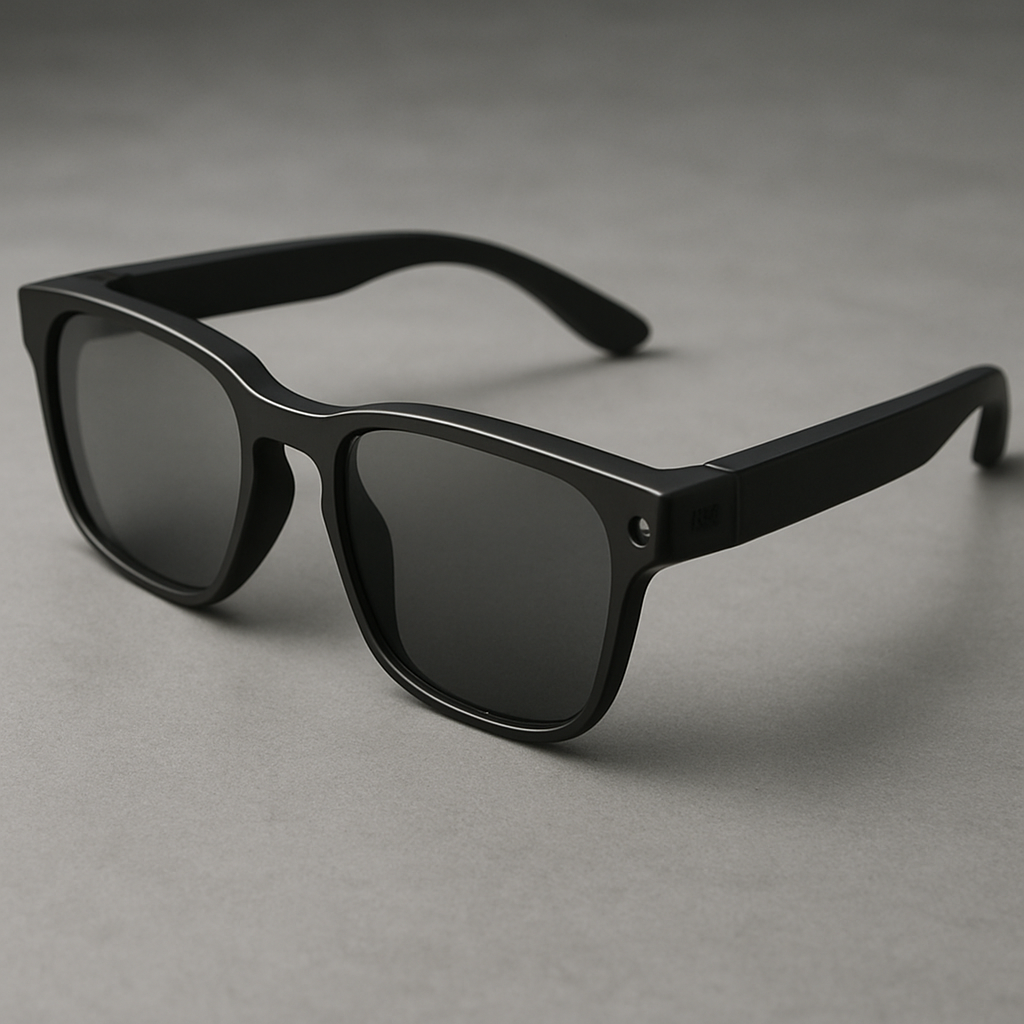
Samsung is preparing to unveil its first Android XR smart glasses in November 2026, based on a confirmation from a company insider. While a specific day hasn’t been revealed yet, the November timeline establishes a clearer target after months of speculation. The new product won’t immediately have a color display — that more advanced version is expected in late 2027.
What to Expect from the Initial Release
The debut model will resemble Meta’s Ray-Ban smart glasses: no display in front of the eyes, but equipped with a camera for capturing video or photos. Earlier prototypes shown off during Samsung’s Galaxy Z Fold 8 event in July featured collaboration with eyewear brands like Warby Parker and Gentle Monster to highlight potential design directions. Comfort and wearability appear to be priorities, as Samsung aims to make the new glasses lighter than comparable models like the base Ray-Ban (51 grams), trimming up to 5 grams if targets are met.
Details like pricing, launch regions, and whether there will be a dedicated launch event remain unconfirmed. These glasses’ design suggests an emphasis on helping users interact with their surroundings and record real-world moments without a heads-up display overlay — different than most XR devices that layer digital content in your visual field.
Looking Ahead: Displays, Use Cases, and Market Position
Samsung is planning a version of Android XR glasses with a color display for late 2027, making clear that the initial version is viewed as a stepping stone. If successful, this first model could help the company establish its presence in the smart glasses and wearables market, which has seen renewed interest amid advances in AI, miniaturization, and mixed reality platforms.
Reducing weight and refining design could give Samsung an edge over early competitors. The absence of a display in the first model simplifies engineering but also limits the use cases: expect photo/video capture, hands-free interactions, possibly voice or gesture controls. The promise of a version with display later suggests that Samsung will expand into visual AR experiences down the line.
What this means: Samsung’s November release will help define Android XR as a platform. By starting with a lighter, camera-equipped glasses-only device, the company can test key features, generate user feedback, and build awareness. Later iterations with displays will have to meet higher expectations when it comes to virtual overlays and seamless integration. For now, the market will be watching for official announcements to nail down the launch date, pricing, and clear comparisons to existing smart eyewear offerings.