Amazon Web Services has unveiled Strands Decider 2B, its own version of a decision-making model inspired by TypeSafe’s Jev. The open-source model is designed to make quick, cost-efficient choices between defined options—ideal for workflows that don’t need the complexity or expense of a full-blown large language model (LLM).
What Is a Decision Model—and Why Now?
Decision models are a newer class of AI tools that focus on selecting the best option among a closed set of choices, rather than generating open-ended text. They also output confidence scores, helping users trust their decisions. The trend has picked up following the release of Jev, which established a benchmark for speed and precision. Since then, several teams have released similar systems, attracted by the lower latency and resource usage compared to traditional LLMs. Strands Decider 2B enters this field as a fully open-source tool that can even run locally.
Amazon’s Journey to Strands Decider 2B
The model was developed by Amazon engineer Marc Brooker after studying Jev and building a prototype internally. That version rose to the top of the Jevbench rankings for its size, which prompted Amazon to polish the project and release it publicly under its Strands Labs group—a division focused on pioneering AI agents and deployment protocols.
Under the hood, Strands Decider 2B is built using a smaller LLM “torso”—namely, Qen3.5-2B. Rather than producing text, it outputs structured decisions along with calibrated confidence levels in its selections. Amazon highlights its suitability for agentic workflows where you need the next step in a predefined path rather than open-ended reasoning.
Trade-Offs and Market Implications
Amazon acknowledges the tension between keeping the model fast and cheap, while retaining robust capabilities in areas like multilingual understanding and broader domain knowledge. The Strands team emphasizes that decision-only models must balance efficiency with intelligence to be broadly useful.
TypeSafe, the originator of Jev, is pushing ahead with improving its own line of models. Though many fast-decision clones have appeared, the company believes making them “actually smart”—i.e. reliable, accurate, well calibrated—still presents substantial challenges. So far, TypeSafe doesn’t perceive direct rivals, citing the depth of technique and expertise needed to maintain performance across varied tasks.
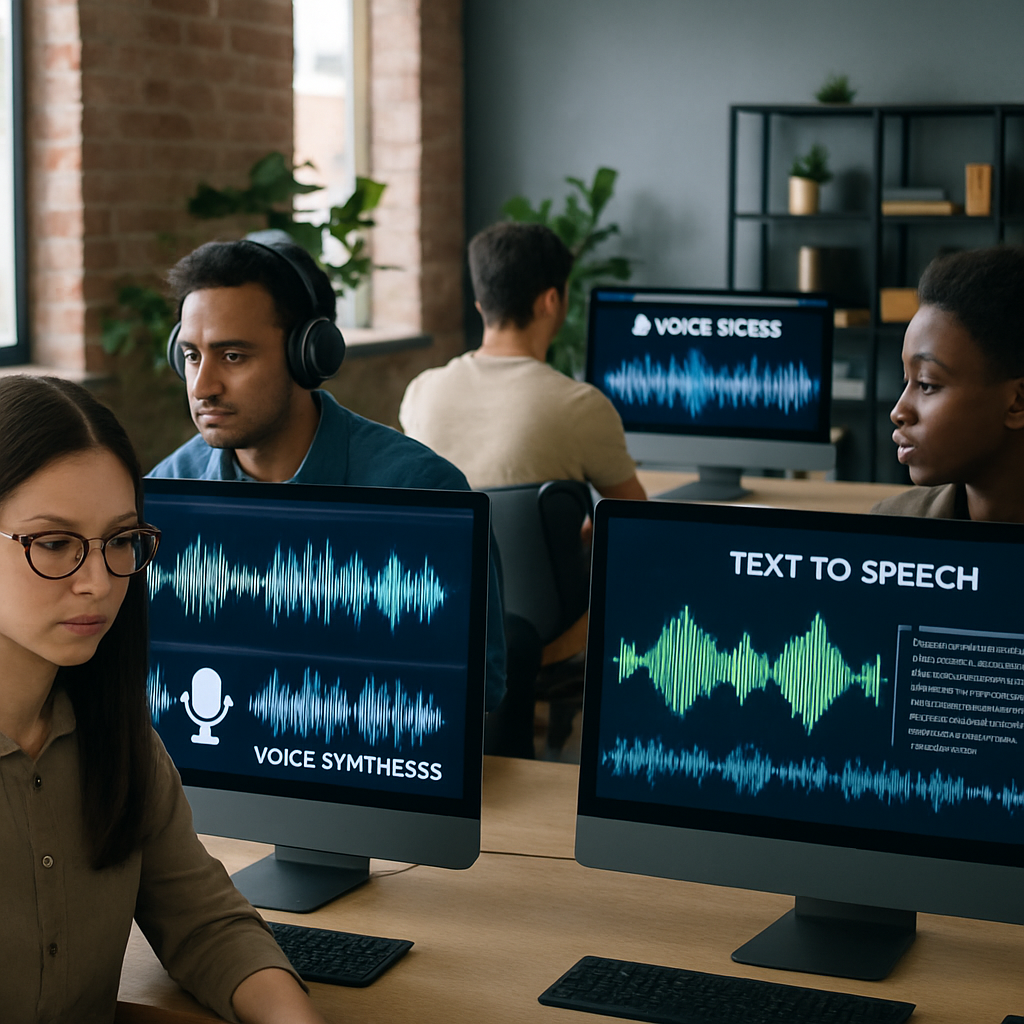
Photo caption: generates an image of Amazon’s open-source decision model architecture
In context, Strands Decider 2B reflects a broader shift in AI: not every use-case needs the expense or complexity of frontier LLMs. Decision-first models let companies insert AI into existing pipelines—making routine decisions, choice-driven steps, or automated actions—at much lower cost and latency.
What to Watch For: Adoption will hinge on how well the calibration holds up in real-world scenarios—especially when scaling to more domains, languages, and edge cases. Also, how the open-source community, competition from Jev and others, and licensing/accessibility play out will determine whether decision models become a foundational tool for AI workflows, or just another niche.