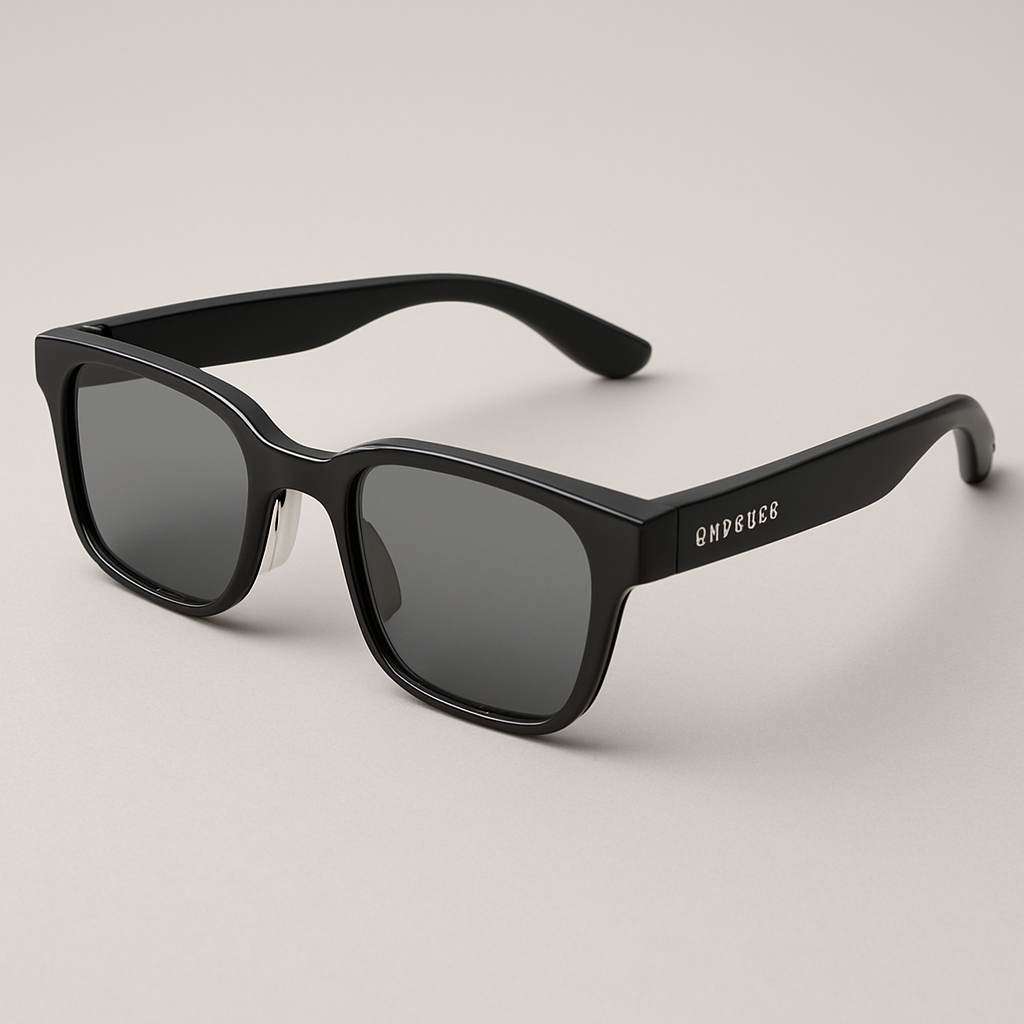
Samsung’s recent Unpacked event showcased a range of new devices, including the Galaxy Z Fold 8 and a slimmer Galaxy Watch 9. However, the highlight was the unveiling of their upcoming smart glasses, developed in collaboration with Google, Qualcomm, Warby Parker, and Gentle Monster.
At first glance, these smart glasses, especially the Warby Parker model, bear a striking resemblance to Meta’s Ray-Ban Stories, which have been on the market for three years. While Meta’s glasses have found a niche among users capturing hands-free photos and videos, they’ve also faced significant privacy issues. A notable concern is the modification of these devices to disable the recording indicator light, leading Meta to implement a mandatory update that disables recording capabilities if tampering is detected.
This misuse has sparked public backlash, with figures like singer Lorde criticizing the glasses during performances and the term “pervert glasses” gaining traction to highlight potential privacy violations.
Samsung and Google are entering this contentious space with their new smart glasses. Both companies have emphasized their commitment to user privacy, with Samsung stating that measures are in place to prevent tampering and misuse. The glasses are designed to integrate seamlessly with Google’s ecosystem, offering features like live demonstrations over Google Meet and utilizing Google’s AI assistant, Gemini, to interpret visual data captured by the device.
As the smart glasses market evolves, the balance between innovation and privacy remains delicate. Samsung and Google’s proactive approach to addressing potential misuse is commendable, but the real test will be in user adoption and public perception. Ensuring these devices are used responsibly will be crucial in determining their success and acceptance in the broader market.