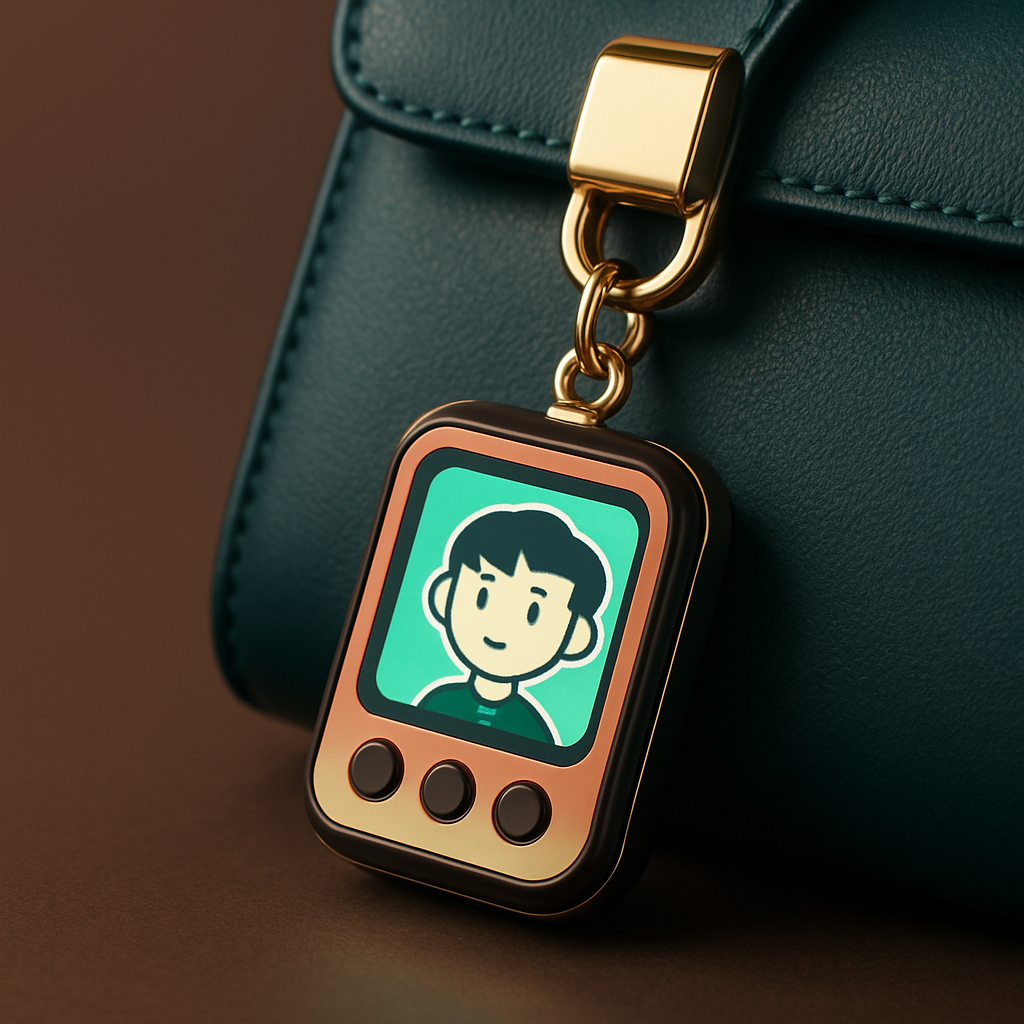
Meta’s new Muse Charm merges tech and personal style, arriving just as younger audiences embrace gadgets as much for fashion as functionality. The device lets users create custom avatars which serve as extensions of themselves—playing into the rising appeal of physical accessories with digital layers.
More than nostalgia: tech meets fashion
The appearance of Muse Charm, with its charm-like form reminiscent of a Toyami device, hits all the right notes for a Zennial sensibility that’s turned keychains and bag charms into creative expressions. The charm market—driven largely by younger women—is poised to surpass $1 billion globally by 2030 with designs ranging from plush monsters to decorative beauty items dangling from everyday carry. Meta’s design aligns with those fanciful aesthetics, but wraps them in AI, avatar customization, and digital presence. Urban trends like Apple Watch being carried as a clip-on accessory underscore how fashion and function are merging in real life.
Can charm equal trust?
While the styling is on-trend, Meta’s history with user privacy remains a major factor in its ability to win over consumers. The company has been penalized in recent years for violating privacy orders, deceiving users, and facing legal action tied to the exposure of personal data. Many may see Muse Charm not just as an accessory, but as another data collection device—especially since it will be monetized through transaction fees rather than a flat hardware cost. Meta could be attempting to balance revenue with usability, banking on user willingness to trade privacy risks for style and connection.
Meta’s Muse Charm isn’t just a toy: it operates at the intersection of fashion, retro-tech, and AI. Whether the device becomes the next big cultural object or just another novelty may depend less on specs and more on how deeply it aligns with identity trends—and how much trust the public is willing to extend to the company behind it.
What this means: In an age where Gen Z craves tactile connection with their devices, Muse Charm could redefine what hardware feels like: not merely tools, but slices of self. The bargain of form vs. function, and trust vs. utility, may determine if Meta’s latest gamble charms the culture or fades away.