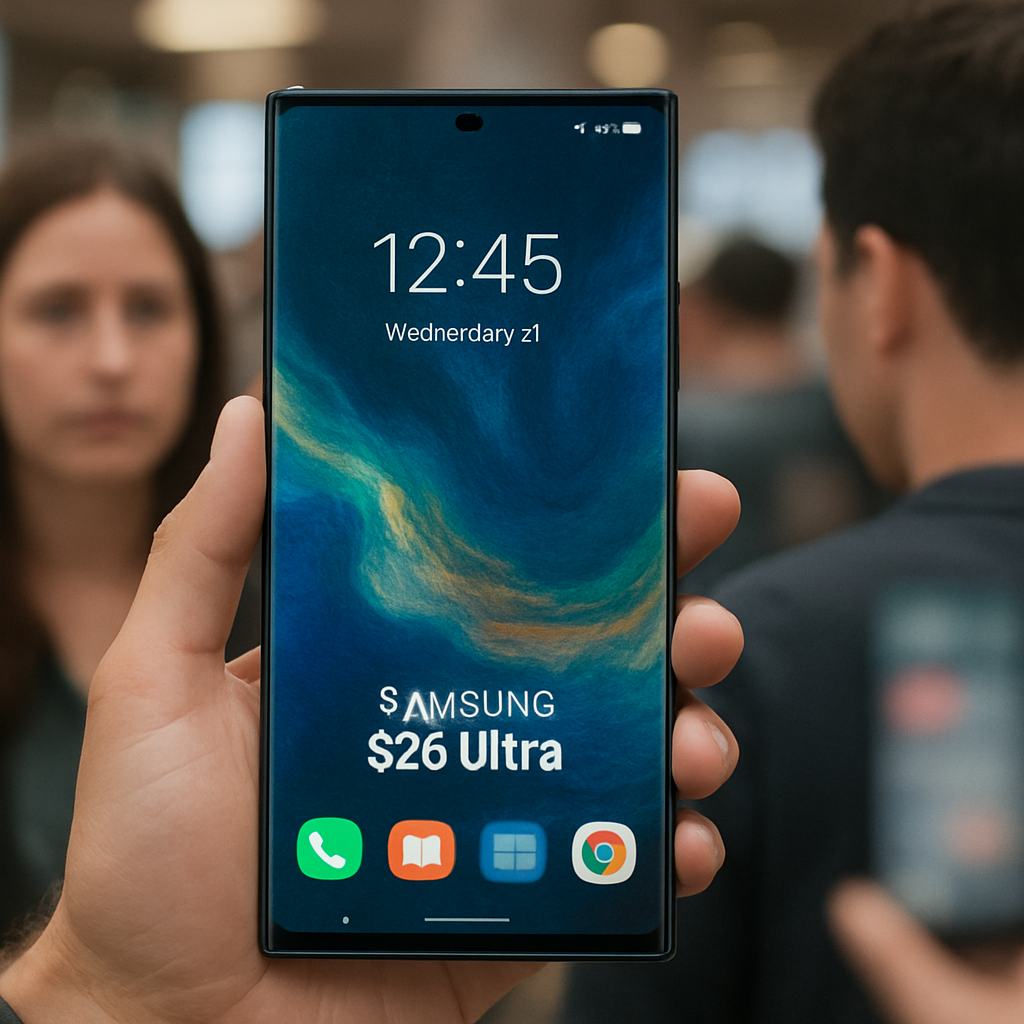
Samsung’s Galaxy S26 Ultra has been singled out in Time’s “Best Inventions of 2026” list—not for its processor, camera, or battery, but for a display feature that changes how we think about screen privacy. Rather than relying on anti-glare coatings or attachable privacy protectors, Samsung baked privacy into the display itself.
What Makes the Privacy Display Special
The standout feature of the Galaxy S26 Ultra’s screen is its ability to hide certain elements from side-angle viewers. Notifications falling from the top notification bar and PIN entries—commonly visible with conventional displays or even with physical screen protectors—can be selectively blurred or blocked. Only the person directly in front of the phone can see those sensitive parts. That flexibility within one display panel sets it apart, especially compared to solutions that protect the full screen all the time.
While the display doesn’t come without compromises—some screen elements can appear distorted in particular lighting, and visibility may vary—Time praises the Privacy Display as a thoughtful, impressive addition to a flagship phone. It isn’t perfect, but it represents a major shift in how smartphone privacy can work in practice.
Why Time Chose the S26 Ultra
What earned Samsung’s phone a spot in Time’s prestigious list is largely this innovation in screen design. It’s not raw speed or camera prowess—but the commitment to user confidentiality. Time’s write-up lauds the flexible nature of the display that adjusts what parts are visible, rather than relying on a full-screen shield. This specific focus on what’s hidden rather than just what’s shown makes the S26 Ultra a standout.
The issue of privacy on mobile displays has long been addressed in basic ways—screen protectors, tilting screens, and filters. Samsung’s approach indicates a move toward more integrated, smarter solutions that work dynamically and preserve usability.
Rumors are already circulating that Samsung may carry over or expand this feature in its upcoming lineup. Speculation points to the Galaxy S27 Pro or Ultra possibly getting the same Privacy Display when they launch early next year.
S25 Ultra/S26 Ultra comparison aside, this could mark a turning point in display technology—shifting focus from what screens show, to what they can conceal automatically.
Ultimately, what matters here is less about specs or benchmarks, and more about trust. For users concerned about shoulder surfers, public transport peeking, or simply keeping private content private—this display innovation becomes a meaningful step forward. As displays become smarter, so too will our expectations. Next year’s models will be judged not just by what they illuminate, but what they protect.