California has taken a major regulatory leap to tackle a growing issue in autonomous vehicle deployment. On October 4, 2026, Governor Gavin Newsom signed Senate Bill 1246 into law, introducing strict requirements for robotaxi operators to prevent their vehicles from interfering with emergency services and public safety. The law forces AV (autonomous vehicle) companies to step up local accountability, limit remote control operations, and detail reporting procedures when system failures occur. Its provisions go into effect starting July 2028.
What the New Rules Demand
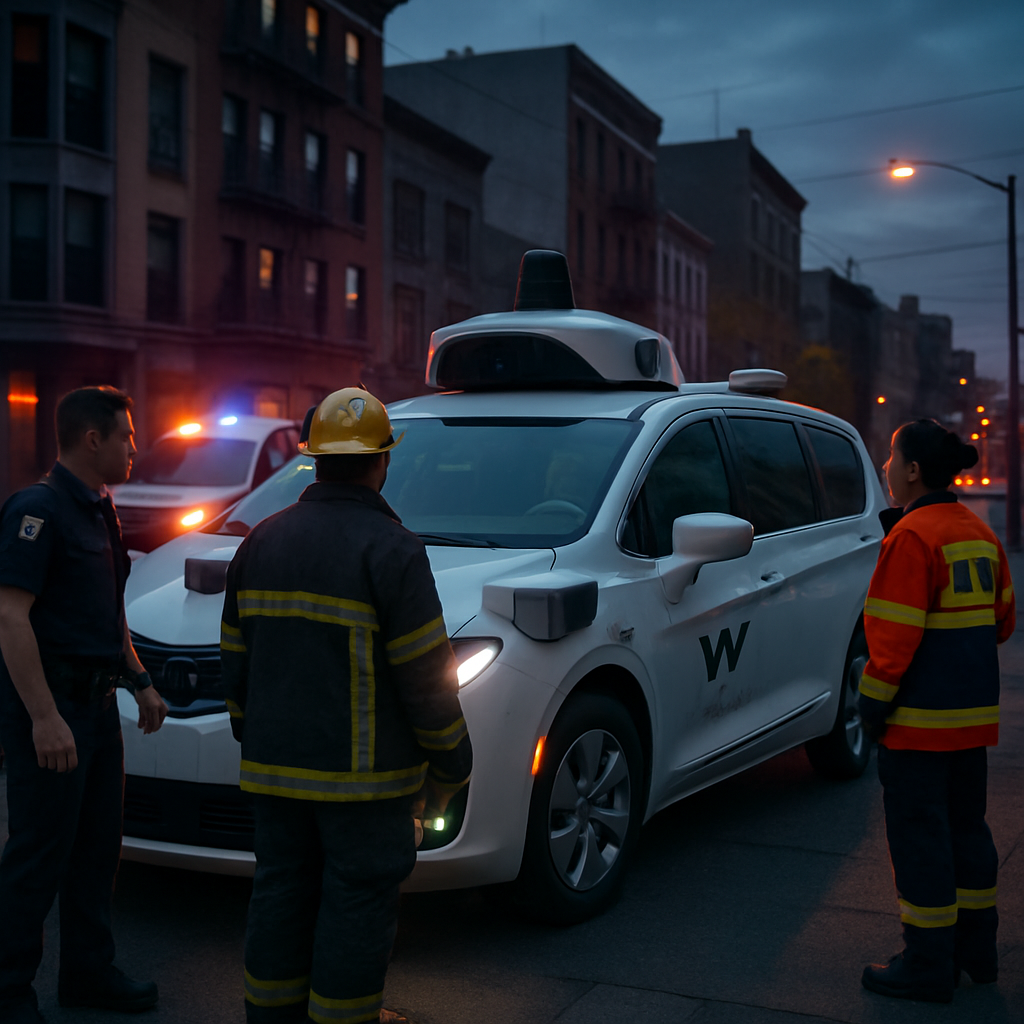
S.B. 1246 compels companies like Waymo, Tesla, Zoox and others to provide on-the-ground assistance when their robotaxis cause problems that obstruct first responders or block traffic for more than 30 minutes. It mandates that manufacturers supply local incident technicians who can respond in person to accidents or vehicle malfunctions. In systems-wide failures, these firms must notify local jurisdictions—cities and towns—about the location and status of affected vehicles.
Another major requirement concerns remote operators. The law stipulates that any remote driver must be based in the U.S., hold a valid U.S. driver’s license, and presumably adhere to comparable rules around accountability. This aims to ensure that someone local — in terms of geography and legal jurisdiction — is responsible if things go wrong.
Why This Matters Now
These changes arrive at a time when robotaxi programs are expanding fast across California. Companies already face complaints about AVs disrupting traffic flow, entering crime scenes, and complicating emergency response efforts. In some situations, law enforcement has had to physically move robotaxis blocking first responder access. The new statewide law is designed to address these issues before robotaxi platforms scale even more rapidly. It seeks to impose accountability during this early deployment phase.
Although the California Department of Motor Vehicles has been tasked with developing the finer points of implementation, the law’s broad strokes—accountability, local support, stringent remote driver rules—set a legal framework opponents of unregulated deployment demanded. When S.B. 1246 takes effect in mid-2028, robotaxi operators will be legally bound to obey the new requirements.
This raises the pressing question: Will this new framework actually reduce chaos on roads involving AVs? And beyond California, will other states adopt similar laws or wait for federal legislation?
California has shown before that it can set standards others follow, especially when it comes to vehicle safety. But enforcement remains critical—without real penalties applied to violators, this could be more paper than practice. It’s likely the law won’t eliminate all incidents involving robotaxis and first responders, but it does set stronger incentives for companies to plan around emergencies, build local response capacity, and ensure operators can’t sidestep responsibility when systems fail.