Google is preparing a new fitness tracker called “Fitbit Edge,” and recent leaks have given a first detailed look at what it may bring to the wearable market. The unveiling comes after a marketing mishap in August, followed by FCC documentation last month. Now, retail listings have surfaced that fill in the blanks about Edge’s design, features, and battery life.
What We Know So Far
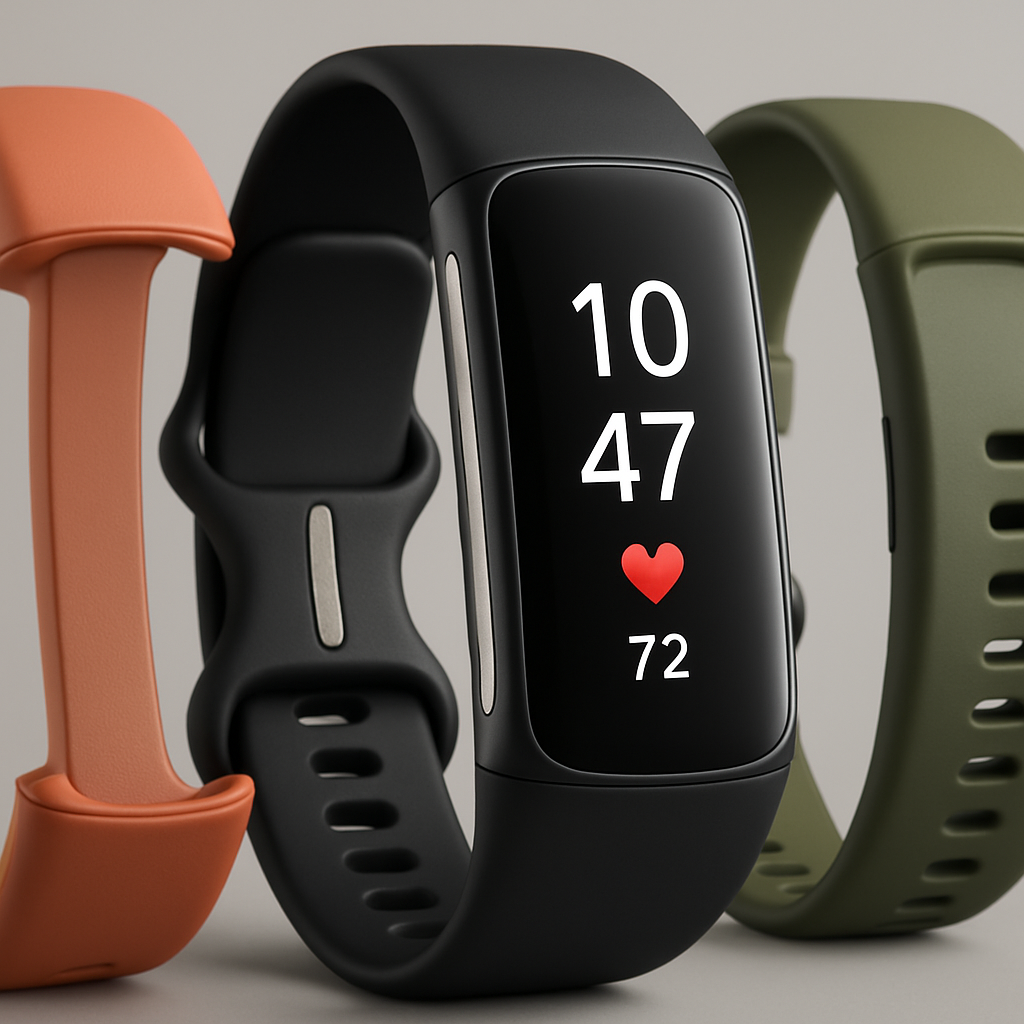
The leaked materials show a fitness tracker with a display that stretches much closer to its edges than previous Fitbit bands. The watch face—reminiscent of that on Pixel Watches—includes complications like heart rate, step count, and a shortcut to begin workouts that suggest a healthier mix of smartwatch and fitness band interfaces.
On its rear, the Edge appears to use a band removal system similar to earlier models, with a sensor array that looks nearly identical to that of the Fitbit Air. It may even share the same magnetic charging connector. Metal strips on its left and right edges hint at built-in ECG sensors, taking cues from the hardware layout of the Fitbit Charge 6.
Functionality & Specifications
The Edge reportedly supports essential “smartwatch-style” features: app access (including Google Maps, media and music controls, and Find My Phone) and real-time notifications. Connectivity seems limited to Bluetooth—Wi-Fi hasn’t shown up in any listings so far. Support for both Android and iOS platforms is planned.
Battery claims are striking: up to seven days of use on a charge. Users will also see three color choices for bands and casings—Canyon, Obsidian, and Olive, echoing hues offered in the Pixel 11 Pro lineup.
By adjusting what Fitbit bands traditionally offer, Edge appears aimed at bridging the gap between fitness trackers and more feature-heavy wearables. Its bold display design, streamlined notifications, and cross-platform support suggest Google is experimenting with what consumers might want in “semi-smart” wearables.
What this means and what to watch: The Edge leaks reveal a possible new direction for Pixel and Fitbit wearables. If battery life, sensors, and app integrations deliver as the leaks suggest, this could set a new standard in fitness bands. Consumers interested in wearables should watch for how Google prices Edge, how responsive the software is (especially under iOS), and whether NFC, GPS, or other premium features show up closer to launch. This generation could reshape expectations for fitness trackers—and Google looks positioned to push that shift.