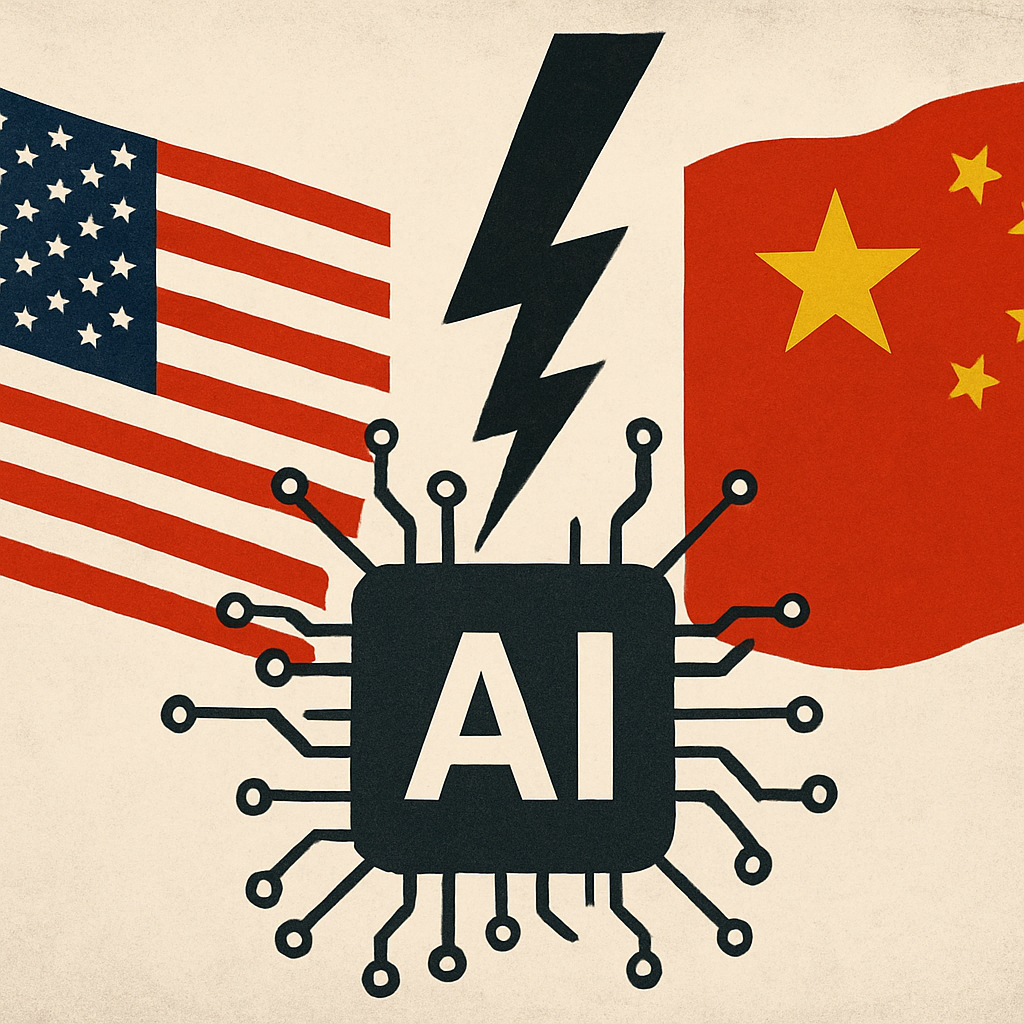
The United States is intensifying its scrutiny of Chinese artificial intelligence (AI) models, with Treasury Secretary Scott Bessent announcing plans to investigate these models for potential intellectual property (IP) theft. This move could lead to sanctions against Chinese AI companies if such violations are confirmed.
Bessent emphasized the administration’s support for open-source AI development but underscored a firm stance against IP theft. He indicated that if foreign models are found to be appropriating technology from American companies, the U.S. has the authority to impose sanctions in response to such theft.
This development comes as Chinese AI models, notably Moonshot AI’s Kimi K3, are rapidly advancing and gaining popularity. Their emergence poses competitive challenges to leading American AI firms like OpenAI and Anthropic, potentially impacting their market positions and future funding opportunities.
Reports suggest that the U.S. government is contemplating a comprehensive ban on Chinese open-source AI models. However, this claim has been met with some skepticism and debate within the industry.
American AI companies have been raising alarms about foreign entities replicating their technologies and releasing them as open-source. In response, the White House has pledged to collaborate closely with AI firms to combat such unauthorized use.
Sanctioning Chinese AI models would represent a significant escalation in the ongoing technological rivalry between the U.S. and China. This potential action follows previous measures, including restricting China’s access to advanced semiconductor chips and tightening export controls, all aimed at maintaining America’s leadership in AI innovation.
At the heart of this issue is the practice of model distillation, a technique that enables the transfer of capabilities from larger AI models to more compact, efficient systems. While some view distillation as a legitimate method for enhancing AI models, others argue that using it to replicate proprietary technologies without authorization constitutes IP theft.
Microsoft CEO Satya Nadella has criticized the inconsistency in the industry, where companies advocate for fair use rights in training models on public data but then impose restrictive terms on distillation practices.
Legal challenges continue to mount for AI labs regarding their training methodologies. For instance, Anthropic recently agreed to a $1.5 billion settlement after a court found that it had unlawfully used millions of copyrighted books to train its AI models.
Some industry leaders contend that distillation is not the primary factor behind China’s rapid progress in AI. They point out that many countries, including the U.S., employ similar practices, suggesting that other elements contribute to China’s advancements in this field.
As the U.S. government considers further actions, the AI industry remains vigilant, recognizing the delicate balance between fostering innovation and protecting intellectual property rights. The outcome of these deliberations could have profound implications for the global AI landscape and the future of international technological collaboration.