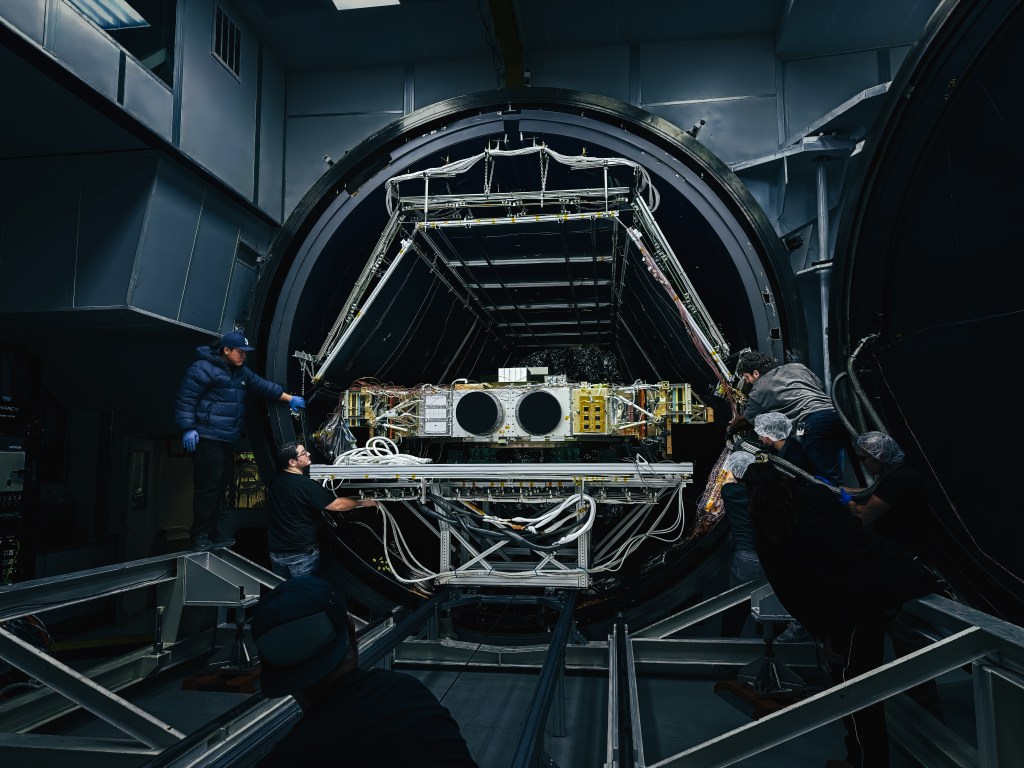
Bill Gates’ Breakthrough Energy has unveiled its 2026 Fellows cohort—21 startups at the frontiers of climate tech that span nuclear fusion, energy efficiency, hydrogen infrastructure, robotics, agriculture, and more. They’re being supported now to help tackle future surges in electricity demand and the warming world’s defining energy and climate challenges.
BIGGEST BETS ON CLIMATE & ENERGY
Breakthrough Energy expects global electricity demand to triple as economies electrify everything to cut emissions—a shift that will put today’s energy systems under enormous strain. To prepare, it’s backing early-stage startups through its Fellows program, which this year features moonshots like advanced fusion power and technologies to rethink how energy is generated, stored, and transported. These fellows are being nurtured under a legacy of ambitious investing—accepting higher risk with the goal of bigger climate impact.
This year’s cohort includes two fusion startups: one using proton-boron fuel for potentially cleaner fusion, another working on heat management for future reactors. On the semiconductor side, several groups—such as Bedrock Semiconductor and K1 Semiconductor—are developing new materials and more efficient methods for power electronics and data center efficiency. An additional cluster of startups tackles hydrogen and ammonia technologies aimed at storage, transport, and clean fuel applications.
BROAD RESPONSES FOR A WARMING CLIMATE
While many of the new Fellows focus on decarbonization—emissions reductions, renewable energy and the like—a notable portion are building technologies to help humanity adapt. Even rapid decarbonization may not be enough. These include efforts in agriculture and food systems, like molecular sensors to detect crop disease, circular approaches that turn textile or protein waste into fibers, and robotics for undersea mineral harvesting—all designed to withstand or ease climate impacts.
Breakthrough Energy isn’t just choosing the safe bets. Fresh power electronics, better semiconductor processing, hydrogen supply-chain innovations, and all-electric industrial heat systems mean that the technologies supported are as diverse as they are high risk. The program remains true to its core formula: projects that may not succeed, but if they do, could reshape whole energy sectors.
These selections arrive amid leadership shifts: this is the first cohort announced since the previous director departed, leaving the program under interim leadership. But despite that transition, the strategic vision remains unchanged—balance between pragmatism and ambition, between the potential for impact and the acceptance of risk.
Analytical angle: As the world braces for surging power needs—driven by electrification, AI, and industrial decarbonization—programs like this represent early insurance. They spotlight the technologies most likely to unlock scale. If even a few of these 21 succeed, the payoff could be huge. Keep an eye over the next few 3-7 years for progress in fusion, hydrogen transport infrastructure, and semiconductor efficiency. These are likely to set the pace.