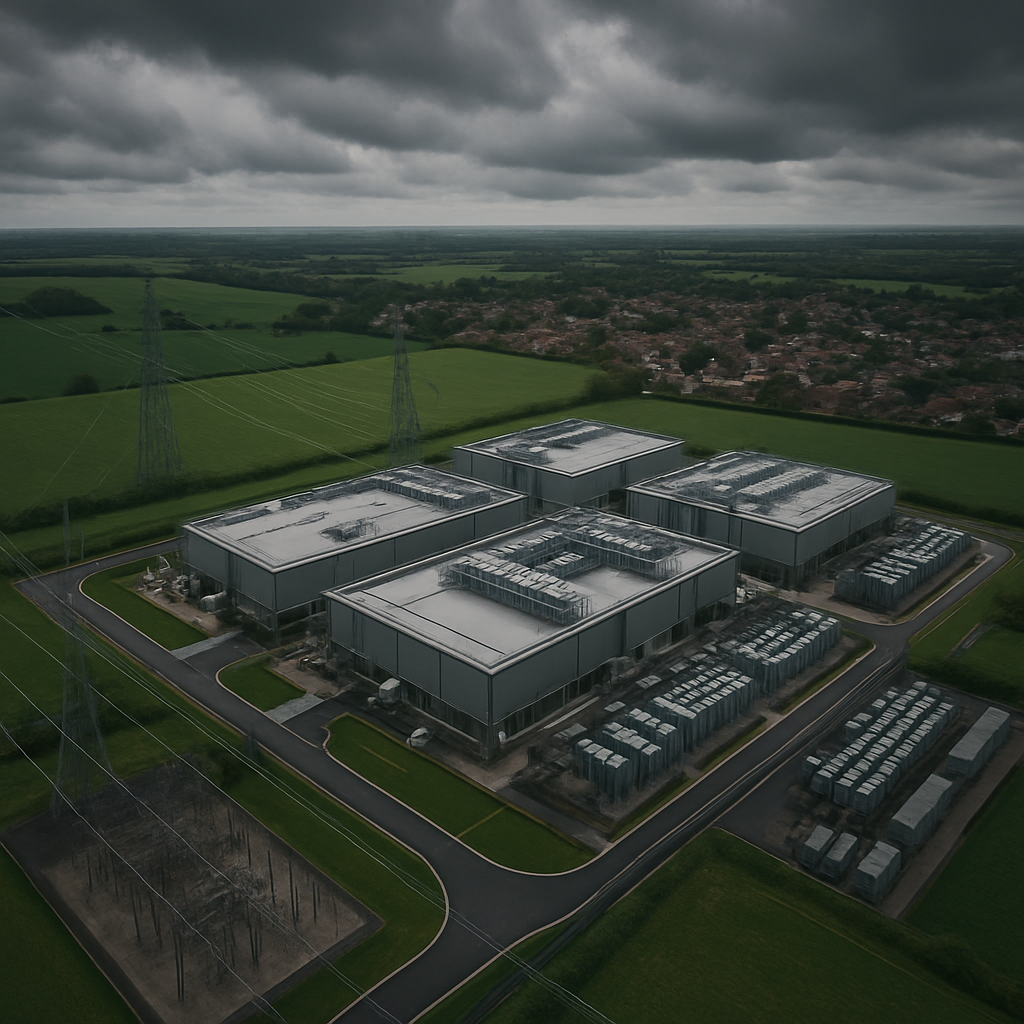
In communities across America, resistance to new data center construction is growing rapidly—even as AI and cloud companies ramp up billion-dollar projects. The tension centers on economic ambition clashing with persistent fears rooted in past industrial developments.
Data Center Boom Meets Local Backlash
With AI labs forecasting a constant rise in demand for computational power, infrastructure spending has soared. But public sentiment is shifting: over 60% of Americans now support limiting data center expansion, particularly in their neighborhoods. In Q2 2026 alone, projects valued around $68 billion were disrupted by local opposition, according to the data-tracking group Data Center Watch.
While industry leaders argue that opposition stems from foreign influence or ignorance about data center function, research reveals a more complex picture of concern grounded in lived experience and skepticism.
Roots of Distrust and Diverse Opposition
A study by nonprofit group Data & Society, based on 18 months of interviews with 44 Pennsylvanians (2024–2026), shows that many recall their state’s history of extractive industries—like coal, steel, oil, and fracking—with bitterness. Such memories make residents wary of engineered promises about tech as a clean, inevitable path forward.
Policy changes reflect this mood. In mid-2025, Pennsylvania’s governor celebrated roughly $90 billion in committed investments in AI and data infrastructure. By mid-2026, that same administration rolled out stricter requirements for data center permits and removed projects from fast-track regulatory schemes.
Resistance to data centers is not limited to traditional NIMBYism. Many locals oppose AI on principle. Environmental advocates cite water usage and energy emissions. Others worry about health risks or declining property values. Material concerns—like rising electricity costs—also resonate strongly. According to participants in the study, corporate tactics add insult to injury: developers sometimes request secrecy agreements with local officials and avoid community engagement.
Support, But Limited
Even within opposition, there are areas of support—primarily from trade unions. Although data centers typically offer modest long-term employment once operational, labor groups view construction phases as opportunities to rebuild membership and gain economic leverage.
Meanwhile, groups advocating for AI expansion have launched campaigns. In Pennsylvania, the Data Center Coalition has created “Pennsylvania Connects” and spent thousands lobbying the state—moves designed to sway public opinion and shape regulation.
Broken Trust at the Heart of the Battle
A key finding of the fieldwork is that distrust—not lack of information—is driving much of the opposition. People feel the AI messaging—a narrative of inevitability and economic gain—ignores the risks they’ve already lived through in industries that promised prosperity and delivered pollution, collapse, or instability. Local councils that once were responsive now seem distant when decisions about data centers are at stake. Residents report feeling excluded from meaningful participation.
Pressure is building on companies and government bodies to build trust by aligning promises with community needs and histories. But because opponents are motivated by a mix of environmental, social, economic, and moral factors, there are no one-size-fits-all fixes.
What this means: The battle over data center growth underscores a fundamental crisis in how tech infrastructure is deployed and whose voices it leaves out. As companies push to scale AI, ignoring material concerns and historic grievances is likely to deepen divides. Community engagement, transparent regulation, and honest accounting of impact will be essential. What to watch: whether legislation will require more localized input into siting, and whether union-backed projects gain favor in states wrestling with both opportunity and opposition.