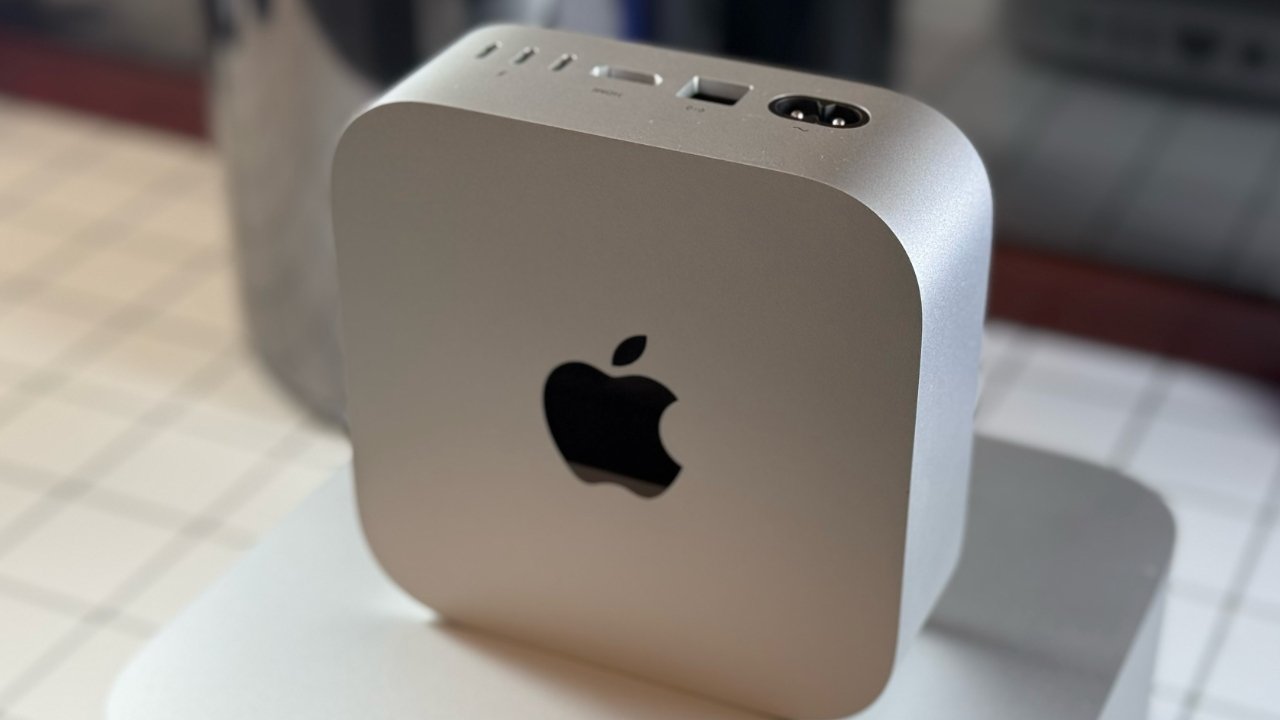
Apple Faces Prolonged Mac Supply Shortages Amid Surging Demand and Component Constraints
Apple is currently grappling with significant supply shortages across its Mac product line, including the MacBook Neo, Mac mini, and Mac Studio. These constraints are driven by an unexpected surge in demand and compounded by global component shortages, particularly in memory (RAM) and storage (SSD) sectors.
MacBook Neo: Unanticipated Popularity Leads to Supply Constraints
Introduced in March 2026, the MacBook Neo, priced at $599, was designed to attract first-time Mac users and those upgrading from older devices. The laptop has gained substantial traction in both consumer and educational markets. For instance, school systems like Kansas City Public Schools have begun replacing outdated Chromebooks and Windows PCs with the MacBook Neo. Apple CEO Tim Cook acknowledged during the Q2 2026 earnings call that the company underestimated the product’s appeal, stating, We undercalled the level of enthusiasm. In response, Apple is scaling up production to meet the heightened demand. ([pcgamer.com](https://www.pcgamer.com/hardware/gaming-laptops/we-undercalled-the-level-of-enthusiasm-apples-tim-cook-says-supply-is-constrained-for-the-macbook-neo-but-we-could-not-be-happier-with-how-things-are-going-at-the-moment/?utm_source=openai))
Mac mini and Mac Studio: High Demand Meets Component Shortages
The Mac mini and Mac Studio are also experiencing supply constraints. Cook noted that these models are amazing platforms for AI and agentic tools, leading to higher-than-expected demand. Shipping delays for these products have been increasing, with some models showing availability stretching into mid-June 2026. Apple has even discontinued the entry-level Mac mini model, raising the starting price from $599 to $799, and has stopped accepting orders for certain high-RAM configurations of the Mac Studio. ([macrumors.com](https://www.macrumors.com/2026/04/30/mac-studio-mac-mini-constrained-months/?utm_source=openai))
Rising Memory Costs and Industry-Wide Implications
A significant factor contributing to these shortages is the rising cost of memory components. Cook warned of significantly higher memory costs beginning in June 2026, which could impact product pricing. This trend is not isolated to Apple; major memory manufacturers like Samsung and SK Hynix have projected severe RAM shortages extending through at least 2027, with potential effects lasting until 2030. These industry-wide constraints are expected to influence the entire tech sector, potentially leading to price hikes and prolonged product shortages. ([techradar.com](https://www.techradar.com/computing/computing-components/apple-ceo-warns-about-significantly-higher-memory-costs-from-june-so-mac-fans-are-worried-about-price-hikes?utm_source=openai))
Future Outlook: Mac Studio M5 and Supply Chain Challenges
Looking ahead, Apple plans to launch the Mac Studio M5, featuring M5 Max and M5 Ultra chips with significant performance upgrades. However, global RAM shortages and rising component costs may delay its release to October 2026 and increase prices. The updated Mac Studio is expected to retain its current design while adding Thunderbolt 5, Wi-Fi 7, and enhanced AI capabilities for professional users. ([macworld.com](https://www.macworld.com/article/2973459/2026-mac-studio-m5-release-date-specs-price-rumors.html?utm_source=openai))
Conclusion
Apple’s current supply challenges underscore the complexities of balancing product demand with component availability. As the company works to address these issues, consumers may experience longer wait times and potential price increases across the Mac product line. The situation highlights the broader impact of global supply chain constraints on the tech industry and the importance of strategic planning to navigate these challenges.