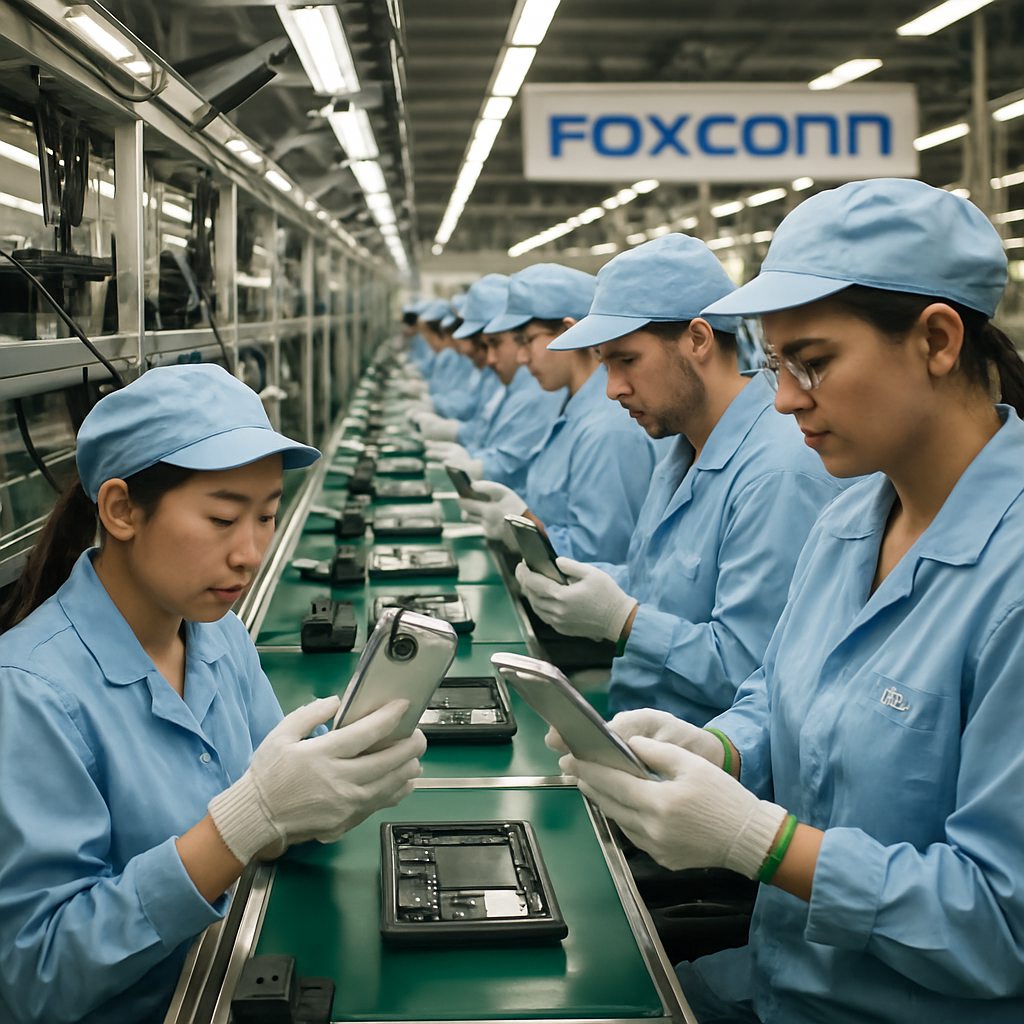
As the anticipated September launch of the iPhone 18 Pro approaches, Foxconn, Apple’s primary manufacturing partner, has initiated a significant recruitment drive to meet production demands. This annual hiring surge is a strategic move to ensure the timely assembly and delivery of Apple’s flagship devices.
Reports indicate that Foxconn is offering substantial incentives to attract both new and returning workers. At its Zhengzhou facility, the company is providing hourly wages up to 27 yuan (approximately $3.75) and bonuses reaching 7,500 yuan (around $1,040) for returning employees. These competitive compensation packages are designed to rapidly scale up the workforce in preparation for mass production.
Foxconn’s recruitment efforts are not limited to China. In India, the company has made significant strides in expanding its manufacturing capabilities. Over the past nine months, Foxconn’s Devanahalli facility near Bengaluru has hired nearly 30,000 workers, marking one of the fastest factory scale-ups in the country. Notably, approximately 80% of this workforce comprises women aged 19 to 24, many of whom are entering formal employment for the first time. This hiring strategy not only addresses production needs but also reflects a commitment to diversifying the workforce and empowering women in the manufacturing sector.
The rapid expansion of Foxconn’s workforce underscores Apple’s broader strategy to diversify its supply chain beyond China. By bolstering manufacturing operations in countries like India, Apple aims to mitigate risks associated with over-reliance on a single region and enhance its global production resilience.
As Foxconn continues to ramp up its hiring efforts, the focus remains on meeting the high production standards and timelines that Apple is known for. The success of these recruitment drives will be pivotal in ensuring that the iPhone 18 Pro reaches consumers on schedule, maintaining Apple’s competitive edge in the smartphone market.
Looking ahead, the effectiveness of Foxconn’s recruitment strategies and the seamless integration of new workers into the production process will be critical. As Apple continues to expand its manufacturing footprint globally, the ability to rapidly scale operations while maintaining quality will be a key determinant of success in an increasingly competitive industry.