Apple is reportedly working on a fresh operating system that blends elements of tvOS, watchOS, and iOS—and aims to run on a dedicated smart home hub expected to launch late this year. The news comes via recent trademark filings and insider reporting, which point toward “homeOS” as its likely name. It could become the company’s newest platform alongside iOS, macOS, watchOS, tvOS, iPadOS, and visionOS.
What Are the Key Features?
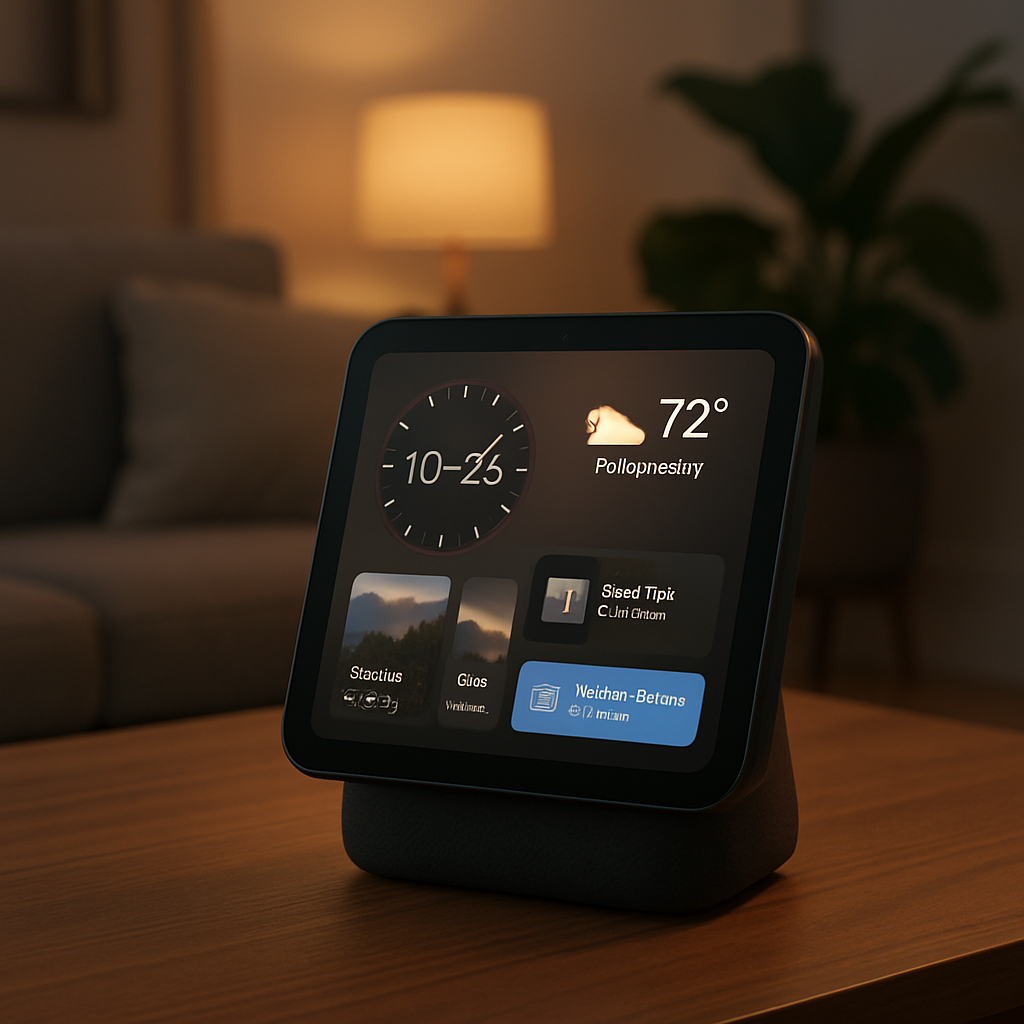
The upcoming homeOS is designed for a square smart home device with a 6- or 7-inch touchscreen display coupled with speaker functions similar to HomePod. One standout capability is facial recognition: the device may identify who is in front of the screen and tailor the interface accordingly. Interface elements may even adjust in size depending on how close or far a user is.
The system could feature an arrangement of app icons and widgets, reminiscent of iOS and tvOS. It’s expected to support multiple users, and likely pre-loads Apple’s standard apps: Calendar, Camera, Music, Podcasts, News, Reminders, Notes, plus a new Siri app focused on AI-based conversations.
Core home features are also expected: managing HomeKit devices; offering security monitoring; displaying photo galleries; handling calendar events; playing music; and allowing FaceTime video calls. Siri AI will reportedly serve as the virtual assistant at the center of the experience, powering personalized interactions.
Timing and Strategic Context
The hub device is anticipated to be unveiled as soon as October. Trademark activity tied to the name “homeOS” was spotted from a shell company potentially linked to Apple, further suggesting the move is real, not just speculative.
Apple’s broader strategy around AI and home automation aligns with this new device. For years the company has offered smart speakers and displays of varying kinds, but none have combined speaker, display, secure facial recognition, multi-user support, and a fully custom OS tailored to home living.
This OS bridges gaps between existing platforms: it takes interface and widget ideas from iOS/tvOS, the tight integration of hardware from watchOS, and voice/sound design from HomePod. It may mark a turning point in how Apple intends to place its ecosystem not just in homes via phones and watches, but via constant ambient home hardware.
The big question: Will this be a dedicated device with unique hardware, or could homeOS integrate with existing devices—like iPads or Apple TVs—with a software layer? Patents suggest physical hub hardware, but modern smart-home trends lean toward software services flexible across devices.
This operating system is likely to be one of Apple’s most visible pushes into everyday ambient computing. If homeOS lives up to the reports, it might reshape our idea of how integrated a smart home can be—making security, AI, and personalized display a staple of not just phones and watches, but the walls and corners of your living space.