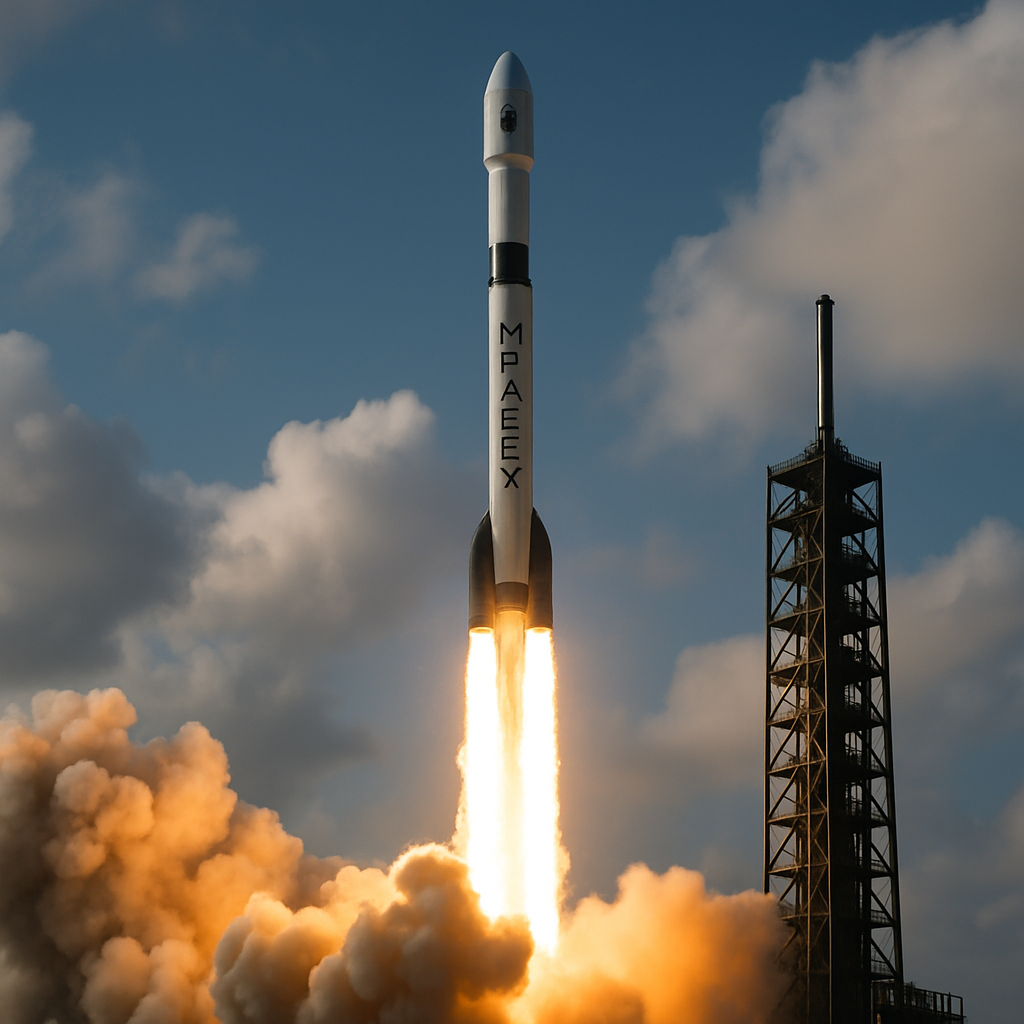
SpaceX, the aerospace and AI conglomerate founded by Elon Musk, has made a monumental entry into the public markets. The company priced its initial public offering (IPO) at $135 per share, selling 555.6 million shares to raise $75 billion, marking the largest IPO in history. This valuation propels Musk into the ranks of the world’s wealthiest individuals, potentially making him the first trillionaire.
On its first trading day, SpaceX shares opened at $150 on the Nasdaq, an 11% increase from the IPO price. The stock continued its upward trajectory, reaching a midday high of $176 before closing at $160.95, a 19% gain. This surge reflects strong investor confidence and demand, with the IPO reportedly being oversubscribed by a factor of four.
The limited public float, with only about 4% of shares available for public trading, has contributed to the stock’s rapid appreciation. Early investors and employees hold the remaining shares, with approximately 4,400 current and former employees becoming millionaires as a result of the IPO.
Major venture capital firms have also reaped significant rewards. Founders Fund, which invested $600 million in SpaceX, now holds a stake valued at over $50 billion. Andreessen Horowitz and Sequoia Capital have seen their investments appreciate to over $10 billion and $20 billion, respectively.
In the lead-up to the IPO, SpaceX secured substantial contracts to bolster its financial position. Notably, the company entered into agreements with Anthropic and Google, valued at $1.25 billion and $920 million per month, respectively, for AI compute services. These deals underscore SpaceX’s strategic expansion into the AI sector.
Elon Musk’s control over SpaceX remains robust post-IPO, with over 50% of the voting power. This level of control is uncommon among publicly traded companies and indicates Musk’s continued influence over SpaceX’s strategic direction.
As SpaceX embarks on this new chapter as a public entity, the implications for the aerospace and AI industries are profound. The company’s successful IPO not only sets a precedent for future public offerings but also highlights the growing intersection of space exploration and artificial intelligence. Investors and industry observers will be keenly watching how SpaceX leverages its public status to drive innovation and growth in these sectors.