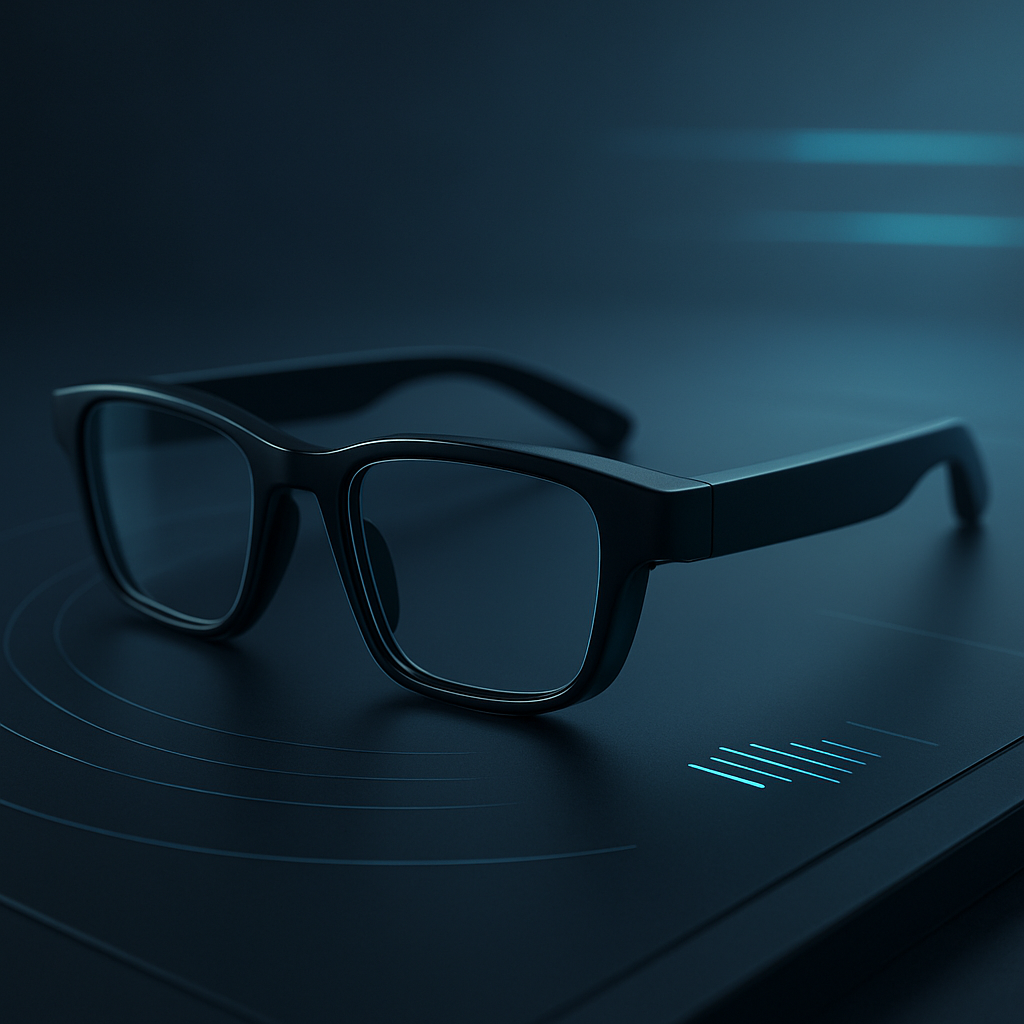
Smart glasses are rapidly gaining steam. In the first half of 2026, shipments of AI smart glasses surged by about 263% compared to the same period last year. Despite criticism and controversy surrounding some products, consumer interest hasn’t slowed—nearly all growth is being driven by display-less designs.
Market Dominated by Meta, Display-Less Models Take Lead
Meta is virtually unchallenged in this space, accounting for roughly 94% of all smart glasses sales. Its Ray-Ban line, along with other Meta-brand models, dominates, while Xiaomi and Alibaba trail far behind with about 1% each. This trend extends to the product design itself: display-less glasses are making up about 96% of units shipped. These are models without built-in visual displays, relying instead on audio and smartphone or watch integration for interaction. Models with displays are still niche but are growing the fastest—up nearly 450% year-over-year.
Region Snapshots & Upcoming Android XR Competition
North America claims about half of display-less smart glasses, making it the largest market for that segment. When it comes to models with displays, China slightly edges out North America as the leading region. While Meta rules the market for now, major challengers are gearing up. Google and Samsung are preparing to release smart glasses powered by Android XR—initial units will also be display-less and will lean on tight integration with Android, Gemini, Wear OS watches, and audio to deliver functionality.
This comes amid growing concern over Meta’s Ray-Ban line, which has faced backlash over privacy, design, or social impact issues. Yet none of that appears to have dented the bottom line—people continue to buy, and the market as a whole is growing fast enough that these controversies seem to be only speed bumps.
No exact shipment numbers have been made public, but the percentages make one thing clear: people are embracing smart glasses, especially those that avoid displaying visuals. As Android XR approaches influence on product ecosystems, the next year could reshape how smart glasses work, feel, and connect.
What this means: The smart glasses market is maturing—Meta leads today, but Google and Samsung’s upcoming Android XR devices could shift the landscape. Display‐less designs show consumers want lightweight, audio-based experiences over full mixed-reality display power, at least for now. The primary trends to watch are how well display-based smart glasses mature, whether Android XR proves compelling, and how the dominant players respond to rising competition and consumer expectations.