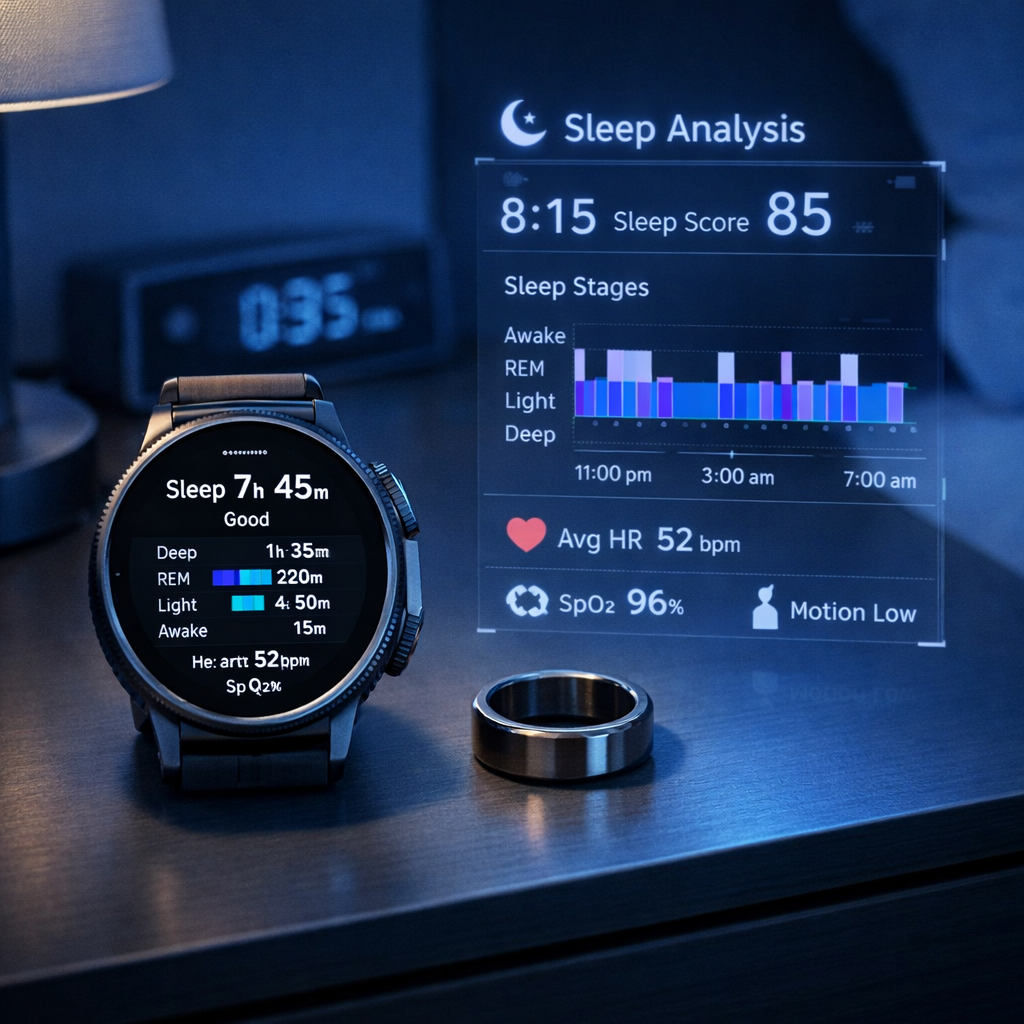
Samsung is upgrading the sleep apnea detection tool on select Galaxy wearables with a more powerful, AI-driven version debuting in November. The new system will offer deeper insights into nighttime breathing disturbances, moving beyond simple alerts to a level closer to what you’d get in a clinical sleep study.
What’s changing?
This upgraded sleep apnea tool extends the existing detection feature Samsung first released in 2024 after FDA approval. The current system alerts users to potential breathing disruptions during sleep, helping them become aware of issues that could merit professional evaluation.
The enhanced version adds an AI algorithm capable of parsing breathing interruptions per hour. That means users will receive far more granular data on respiration disruptions—information that more closely resembles assessments performed in sleep clinics.
Device eligibility & rollout timeline
The feature will begin arriving in November in Korea, following approval from the Ministry of Food and Drug Safety. With prior FDA clearance in the U.S., availability in North America is expected soon.
Initially, the update targets these models: Galaxy Watch Ultra 2, Galaxy Watch 9, and Galaxy Ring. Existing Galaxy Watch 7 and Watch 8 models will see the feature once updated to Wear OS 7.0 or above.
Older models beginning with Watch 4 will continue to offer the existing version of sleep apnea detection; Samsung emphasizes that the new AI upgrade won’t replace the baseline tool for those models.
Requirements & limitations
To get valid results, users must record at least five hours of sleep on two separate nights within a 10-day span. Samsung is also clear that this tool is not a medical device or a substitute for professional sleep studies—it’s intended to inform, not diagnose.
These upgrades add measurable value for users tracking sleep health and seeking enhanced insights without visiting a medical center. Samsung’s move continues a broader trend where consumer wearables harness AI to offer features once exclusive to medical devices. While promising, users should keep expectations realistic: even advanced algorithms have limits.