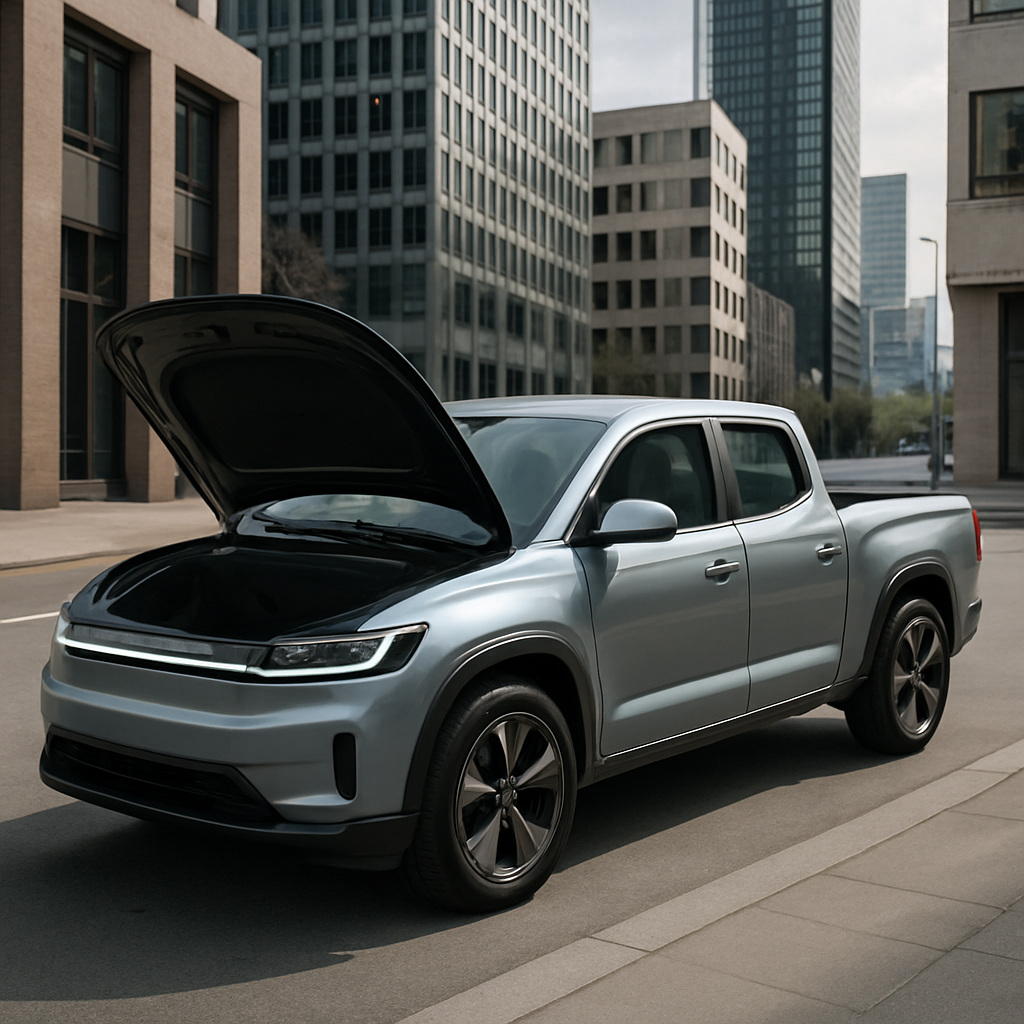
Ford has unveiled its latest venture into the electric vehicle (EV) market with the announcement of the Fathom, a compact electric pickup truck set to debut in 2027. Priced at $28,350, the Fathom aims to provide an affordable EV option, positioning itself alongside Ford’s Maverick hybrid pickup, which starts at $28,145. This strategic move is Ford’s response to the escalating competition from Chinese automakers in the EV sector.
The Fathom is built on Ford’s new low-cost electric vehicle platform, developed by a dedicated team focused on maximizing efficiency and reducing production costs. The company invested nine months in selecting the ‘Fathom’ name, deliberately avoiding alphanumeric codes and legacy names like Galaxie, Taurus, and Ranchero.
While the Fathom’s pricing is competitive, its compact pickup form factor enters a niche market that has seen moderate success. The Maverick, introduced in 2021, sold 155,000 units last year, indicating a steady but not overwhelming demand for compact pickups. In contrast, the Taurus sedan sold over 300,000 units at its peak in 1992, highlighting the challenge of replicating such success with the Fathom.
Despite its compact size, the Fathom offers advantages over the Maverick, including increased interior space and a front trunk (frunk), providing additional storage options. However, the pickup design may not appeal to all consumers, especially as SUVs dominate the market, with over 70% of prospective buyers favoring them compared to 33% for pickups.
Furthermore, the Fathom’s design may not resonate with traditional pickup enthusiasts who prefer rugged aesthetics. The initial visuals suggest a less aggressive look, which could impact its appeal among this demographic.
Adoption of EVs also presents challenges. While many EV owners are loyal to the technology, a significant portion of consumers remain hesitant to transition from internal combustion vehicles. Dealer influence and consumer comfort with existing technology play roles in this reluctance.
Ford’s success with the Fathom will depend on effective marketing, dealer education, and potentially introducing more rugged variants to attract traditional pickup buyers. The company’s ability to navigate these factors will determine whether the Fathom becomes a significant player in the EV market or remains a niche offering.
In the broader context, Ford’s introduction of the Fathom reflects its commitment to expanding its EV lineup and competing in the evolving automotive landscape. The company’s approach to affordability and efficiency with the Fathom could set a precedent for future models, influencing industry trends and consumer expectations.