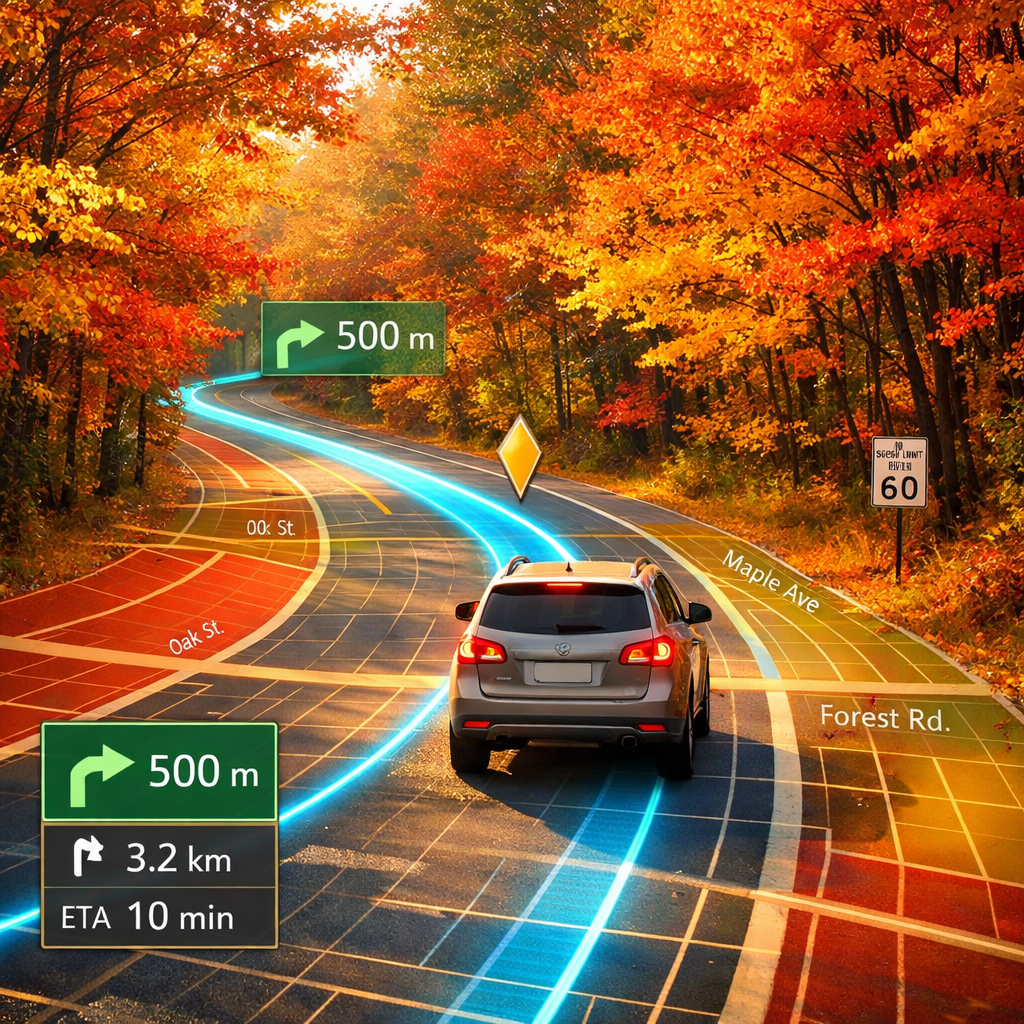
Google Maps is introducing a new seasonal feature that overlays autumn foliage visuals along driving directions in select U.S. cities. Starting now and rolling out through November, users in “applicable US metros” will see trees along their route show splashes of fall color—think vibrant oranges and reds—while navigation is active. But this foliage view doesn’t show when you’re navigating the map manually or outside navigation mode.
Where and how it shows up
According to early examples, Boston is one of the cities getting the update. Google hasn’t released a full list of eligible metros yet. If you’re driving through a qualifying city with navigation turned on, foliage coloring is applied to roadside trees in the map visuals. However, if you scroll through the same city when not in navigation mode, the fall effect disappears.
Time frame and limitations
The fall foliage visuals are set to be available until the end of November. After that, it’s unclear whether they’ll be turned off—or potentially replaced with seasonal visuals around winter or the holidays. Also, since the feature isn’t active in all areas, many Google Maps users won’t see it yet. Google has so far kept the list of supported metros under wraps.
This feature follows other recent changes to Google Maps aimed at making the navigation experience more visually appealing and context-sensitive. Previous updates—like integrating Gemini-powered tools and context-aware routing—lean toward giving users more immersive map experiences.
Why it matters: This update might seem like just a bit of seasonal flair, but it reflects a broader push to personalize navigation tools. By adding visual cues tied to local settings and times of year, mapping services like Google Maps are moving beyond pure utility toward richer, more engaging user experiences. What to watch for next: whether Google will expand this visual feature to more cities, years, or even integrate foliage levels depending on peak fall color. If maps can reflect the seasons, maybe next comes weather-brightened roads, holiday lights, or snow-laden trees. Engaging, but also one more reason why in the near future your map won’t just tell you how to get there—it’s also going to show you what it looks like when you arrive.