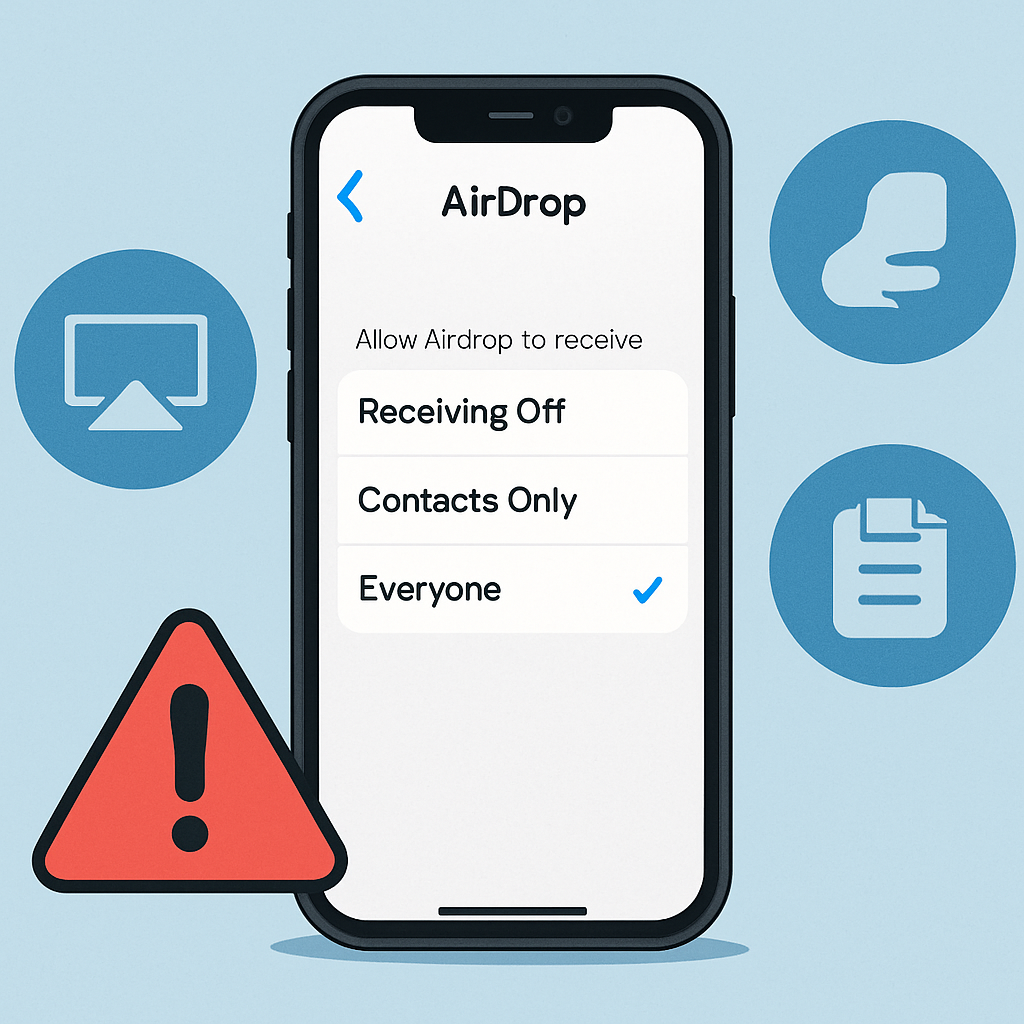
Recent research has uncovered security vulnerabilities in Apple’s AirDrop feature that allow nearby attackers to crash the service, leading to temporary disruptions in AirPlay, Handoff, Universal Clipboard, and other Continuity features. These flaws can be exploited before users receive a file transfer request, effectively disabling AirDrop and its associated functionalities.
AirDrop is a proprietary service developed by Apple that enables users to wirelessly share files between iOS and macOS devices. It leverages Bluetooth and Wi-Fi to establish a peer-to-peer connection, facilitating quick and convenient file transfers without the need for an internet connection. The service is integral to Apple’s ecosystem, enhancing the seamless integration between its devices.
The newly identified vulnerabilities pose a significant risk as they can be exploited by attackers in close proximity to the target device. By sending specially crafted packets, an attacker can cause AirDrop to crash, which in turn disables related Continuity features. This disruption can affect user productivity and the overall user experience, especially for those who rely heavily on these interconnected services.
It’s important to note that while these vulnerabilities are concerning, they do not allow attackers to access or steal data from the affected devices. The primary impact is the temporary unavailability of AirDrop and its associated features. However, repeated exploitation could lead to persistent disruptions, making it a nuisance for users.
Apple has a history of addressing security flaws in AirDrop. For instance, in 2015, the company released updates to iOS 9 and OS X El Capitan to close a serious AirDrop vulnerability that allowed malware infections. This proactive approach underscores Apple’s commitment to user security and the integrity of its services.
In response to the current vulnerabilities, Apple is expected to release software updates to patch the flaws and restore the stability of AirDrop and Continuity features. Users are advised to keep their devices updated to the latest software versions to benefit from these security enhancements.
While the immediate threat level of these vulnerabilities is relatively low, they highlight the importance of continuous vigilance in the realm of digital security. Users should remain aware of their device settings and be cautious when using features like AirDrop in public or untrusted environments. Ensuring that AirDrop is set to receive files from ‘Contacts Only’ or turning it off when not in use can mitigate potential risks.
In conclusion, the discovery of these AirDrop vulnerabilities serves as a reminder of the ever-evolving landscape of cybersecurity threats. It emphasizes the need for both users and companies like Apple to stay proactive in identifying and addressing potential security issues to maintain the trust and safety of the digital ecosystem.