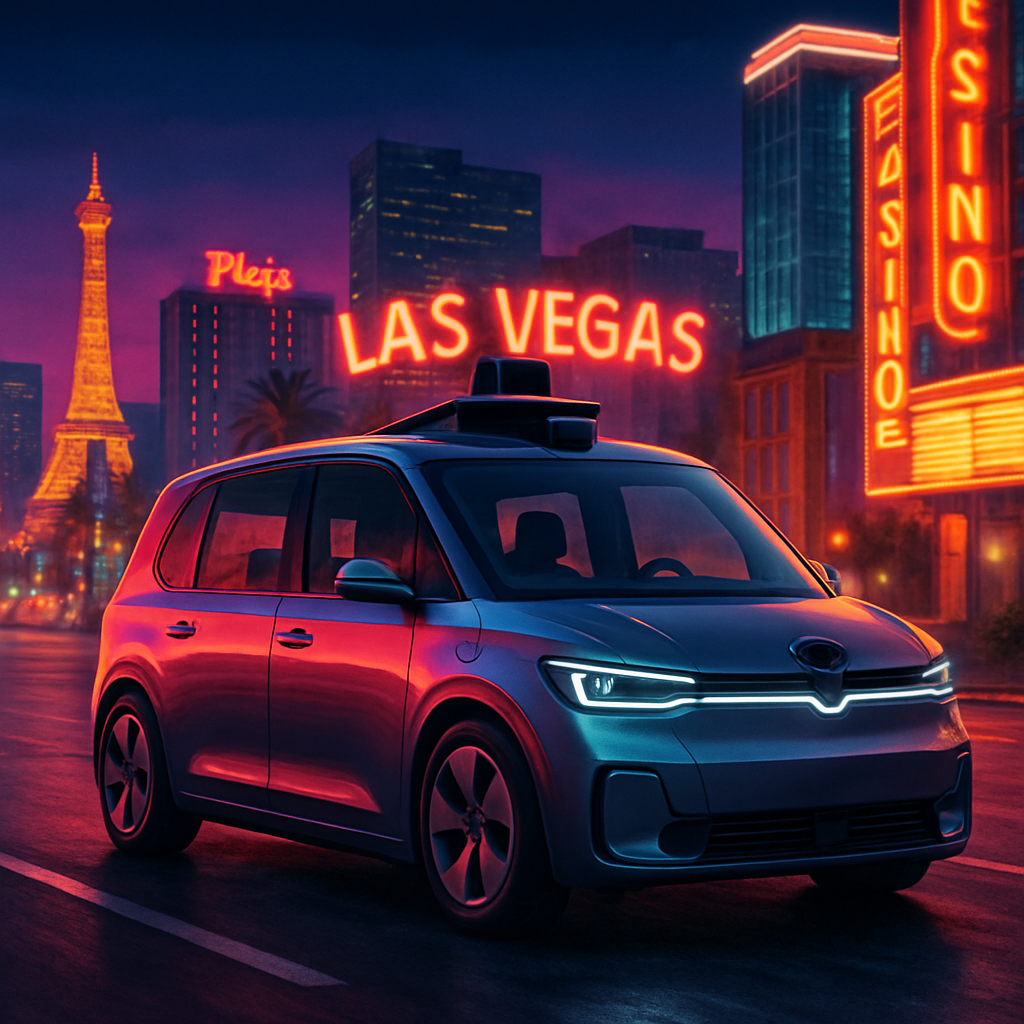
Zoox, the autonomous vehicle company owned by Amazon, is poised for fleet expansion in Nevada. The current regulation that restricts its robotaxi operations to 100 custom-built vehicles is ending September 25, freeing the company to scale up its service in Las Vegas just as more competitors enter the market.
Permit Expiry Means Growth Opportunity
The cap in question stems from a permit issued by the Nevada Transportation Authority (NTA), which has kept Zoox’s robotic vehicle fleet capped at 100 units. That permit is scheduled to lapse later this month. Representatives both from the NTA and Zoox have confirmed the change, which is also reflected in a newly issued permit document.
While this change doesn’t mean Zoox will immediately flood Las Vegas with robotaxis, it grants the company the regulatory flexibility needed to expand more aggressively. Zoox currently operates its custom-designed robotaxis—vehicles notable for having no steering wheels or pedals—in four U.S. cities, with the majority of its fleet in Las Vegas and San Francisco. Las Vegas is also the only city where Zoox is currently offering paid rides; in California the company must still secure additional regulatory approval to charge fares there.
Federal Waiver and Fleet Details
A U.S. federal waiver from the National Highway Traffic Safety Administration (NHTSA) plays a central role in Zoox’s robotaxi program. That exemption allows Zoox to deploy up to 2,500 of its nontraditional vehicles annually over the next two years without traditional driver controls. This was critical given the design of its vehicles, which eliminate steering wheels, brake pedals, or gas pedals—features typically required under federal safety standards.
Zoox hasn’t yet disclosed how many robotaxis are currently active in Las Vegas, though independent tracking estimates put the number at over 30. The company has stated that it aims to scale up its fleet “steadily over the next several months” in Las Vegas and potentially other markets, citing increasing customer demand.
Rising Competition in Las Vegas
The loosening of Zoox’s cap coincides with a surge in autonomous ride-hailing activity in Clark County. In August, the NTA granted permits to Tesla, Uber, and Waymo to run commercial robotaxi services in Las Vegas, setting the stage for as many as 7,000 robotaxis to enter service in the coming 12 months.
Waymo has already begun operations earlier this month, deploying its Ojai minibusses in a 23-square-mile region that includes the famous Las Vegas Strip and surrounding neighborhoods. These new entrants signal that the race for market share in driverless mobility is accelerating just as regulatory barriers fall.
In short, Zoox is approaching a pivotal moment. With its limit lifted, Zoox has the legal space to grow its fleet beyond 100 vehicles—if only it can move quickly and scale wisely while rivals also seize their opportunities.
This regulatory shift underscores how much the autonomous vehicle industry depends not just on engineering breakthroughs—such as deploying vehicles without traditional controls—but also on updated legal frameworks. The ending of Zoox’s vehicle cap could redefine how fast companies can deploy new robo-fleets, especially in tourist-heavy markets like Las Vegas, where demand is often massive and immediate.
What to watch now: how many new vehicles Zoox deploys, how competitors like Waymo and Uber expand, and how regulators handle safety and traffic impacts once thousands of robotaxis are on the road.