Google’s latest quarterly update, Android 17 QPR2 Beta 4, delivers a solid batch of features and fixes as it heads toward its stable release in December. Though less dramatic than its predecessor, this update builds deeply on privacy, system UI customization, and support for its newest Pixel line.
What’s Actually New
Private Compute Core Data Logging: A dedicated section in the Privacy Dashboard now lets users log data exiting the Private Compute Core, Android’s isolated environment for AI-powered features like Live Caption and Now Playing. Two tiers are offered—“Limited” (3 days / 100 MB cap) and “Detailed” (12 hours / 100 MB)—and users can review, download, or delete logs. A warning appears when switching to the detailed view to reinforce sensitivity risks.
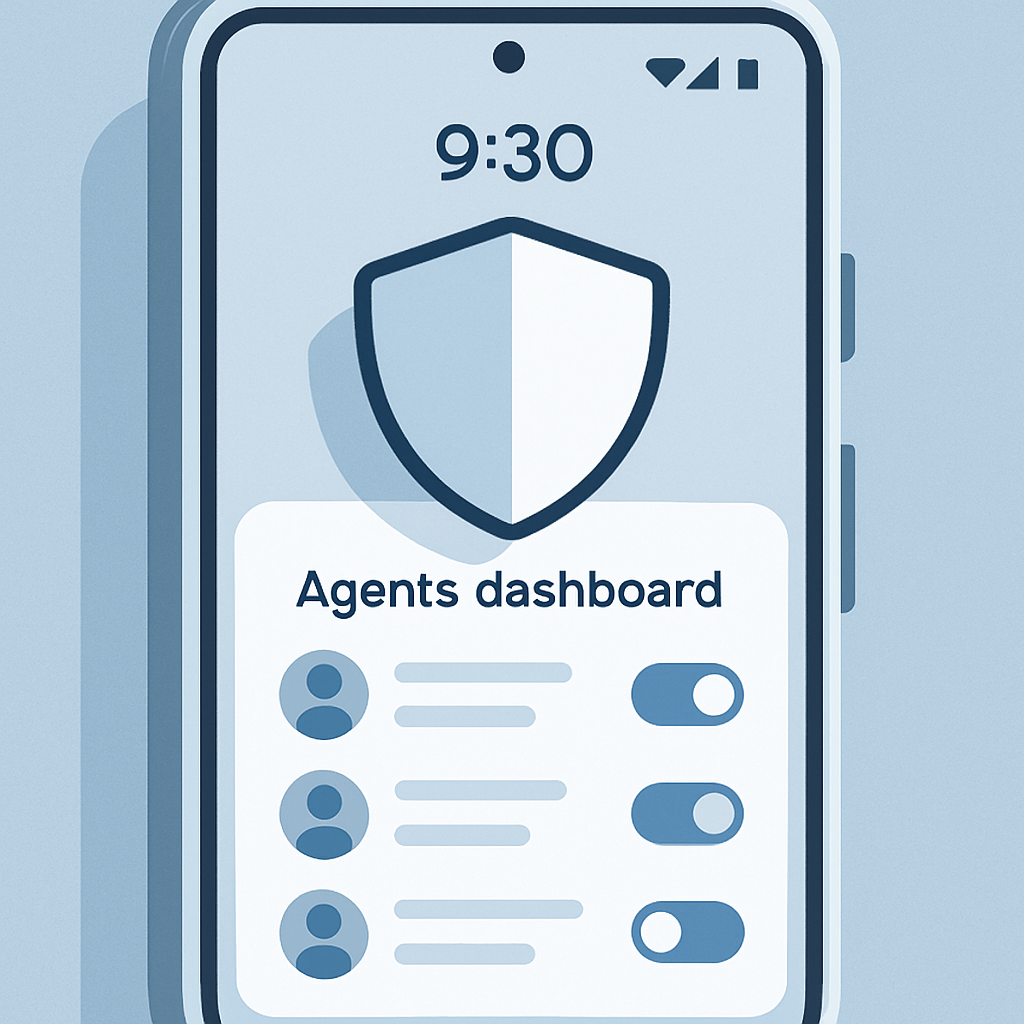
Agents Dashboard: Under Security & Privacy → Privacy Controls → Agents, Android 17 QPR2 Beta 4 introduces a monitoring panel that tracks installed ‘agents’—automated tools or assistants that access information or act within apps. It seems poised to include agents built with Google’s Gemini Spark and other third-party tools, creating greater visibility into background workflows.
Notification Intelligence: Rather than a sweeping new capability, this is more of a rebranding and regrouping: Notification Summaries, the Notification Organizer, and Notification Cooldown are now housed under one menu. Each function remains toggleable, with settings available per type.
Status Bar Customization & UI Tweaks: A newly added “Status bar” menu (found in Settings → System) lets users control only which notification icons appear: see all, see priority only, or none. System icons—like mute, vibrate, and battery percentage—also get new toggles. Minor adjustments to long-press context menus and badge styles under Wallpaper & Style round out visual polish.
Device Support & Release Stability
This build is now available for nearly every recent Pixel model—Pixel 6a through Pixel 10a—with Pixel 11 support on the way via build CP41.260814.003.C2. The update also marks “Platform Stability,” signifying that the core behavior and APIs are now fixed ahead of full public rollout.
Key Fixes & Security Enhancements
Android 17 QPR2 Beta 4 resolves a long list of bugs: touchscreen issues when using “render apps below the cutout area,” thermal management crashes, screen mirroring flaws with USB-C XR glasses, latency problems with gesture navigation, and more. Security-wise, there’s tighter control over USSD commands used for call forwarding. Now, apps invoking such codes via background APIs are blocked unless specially permitted, and manually dialing them in the system dialer triggers a confirmation dialog.
Also fixed: launcher search field not accepting input, mismatched speaker vs. BT audio routing for calls, glitches in the Recents view, recording-mode microphone lock, visual inconsistencies in the UI, and face unlock failures under low light.
Why It Matters & What’s Next
This update underscores Google’s push to elevate privacy tools, especially in the AI era. By letting users see exactly what’s happening inside PCC, tracking background agents, and consolidating notification management options, Beta 4 is tackling transparency in several core places. For users who care about both control and customization, the status bar tweaks will feel like overdue upgrades.
On the developer side, hardening against call forwarding scams and locking down certain permissions suggests Google is anticipating misuse of features before they surface at scale. With platform stability now reached and Pixel 11 support coming soon, the December feature drop looks well-set. What to watch: how Google expands agent visibility (especially for third-party tools), how detailed the “Detailed” logging mode becomes in practice, and whether notification intelligence evolves beyond just reorganization.