Wispr Flow’s Bold Venture into India’s Complex Voice AI Landscape
In the dynamic realm of artificial intelligence, voice-based technologies have emerged as a transformative force, reshaping how users interact with digital platforms. India, with its vast and diverse linguistic landscape, presents both a formidable challenge and a lucrative opportunity for voice AI innovations. Wispr Flow, a Bay Area-based startup specializing in AI-driven voice input solutions, is making significant strides in this intricate market, aiming to bridge the gap between India’s multilingual populace and advanced voice technology.
The Indian Voice AI Conundrum
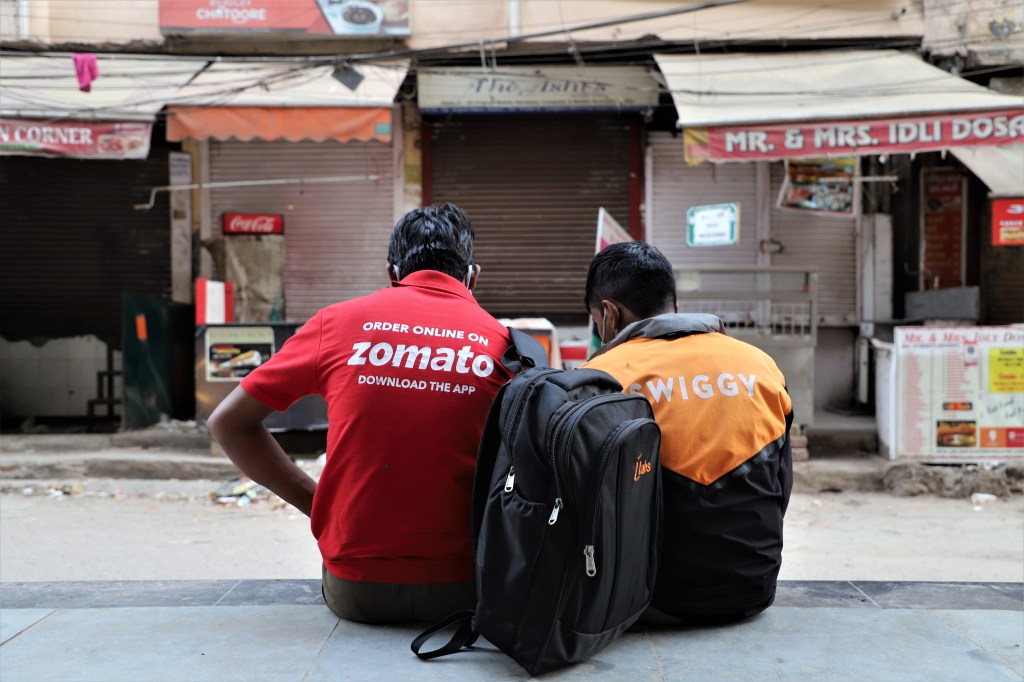
India’s digital ecosystem is characterized by a unique blend of languages, dialects, and cultural nuances. Users frequently switch between languages, often within a single conversation—a phenomenon known as code-switching. This linguistic fluidity poses a significant challenge for voice AI systems, which must accurately interpret and process mixed-language inputs. Moreover, the country’s diverse socio-economic landscape means that technology adoption varies widely, adding another layer of complexity to the deployment of voice AI solutions.
Wispr Flow’s Strategic Initiatives
Recognizing these challenges, Wispr Flow has embarked on a series of strategic initiatives tailored to the Indian market:
1. Hinglish Model Development: Understanding the prevalence of Hinglish—a hybrid of Hindi and English—Wispr Flow has developed a specialized voice model to cater to this linguistic blend. This model is designed to seamlessly process and transcribe Hinglish inputs, ensuring accuracy and relevance for users who naturally mix these languages in daily communication.
2. Android Platform Expansion: Given that Android dominates the Indian smartphone market, Wispr Flow prioritized the development and launch of its Android application. This move ensures broader accessibility, allowing a larger segment of the population to benefit from their voice AI technology.
3. Localized User Engagement: Wispr Flow’s initial user base in India comprised primarily white-collar professionals, including managers and engineers. However, the company has observed a shift, with increasing adoption among students and older adults. This trend indicates a growing comfort with voice AI across different demographics, suggesting a broader acceptance and integration into daily life.
Market Growth and User Adoption
India has rapidly become Wispr Flow’s second-largest market, trailing only the United States in terms of user numbers and revenue generation. The introduction of the Hinglish model has been a pivotal factor in this growth, resonating with users who frequently blend Hindi and English in their conversations. This linguistic accommodation has not only enhanced user experience but also expanded the application’s utility beyond professional settings into personal communication platforms like WhatsApp and various social media channels.
The Broader Implications for Voice AI in India
Wispr Flow’s proactive approach underscores a broader trend in the tech industry: the recognition of India’s unique linguistic and cultural diversity as both a challenge and an opportunity. By developing models that cater to specific language blends and focusing on platforms with widespread adoption, companies can tap into a vast and growing user base. Furthermore, the increasing comfort with voice-based interactions among diverse demographics suggests a shift in user behavior, paving the way for more innovative applications of voice AI in the Indian context.
Conclusion
Wispr Flow’s journey into India’s complex voice AI landscape exemplifies the potential of tailored technological solutions in addressing the unique challenges of diverse markets. By embracing linguistic diversity and focusing on user-centric development, the company not only enhances its market presence but also contributes to the broader evolution of voice AI technologies in multilingual environments.