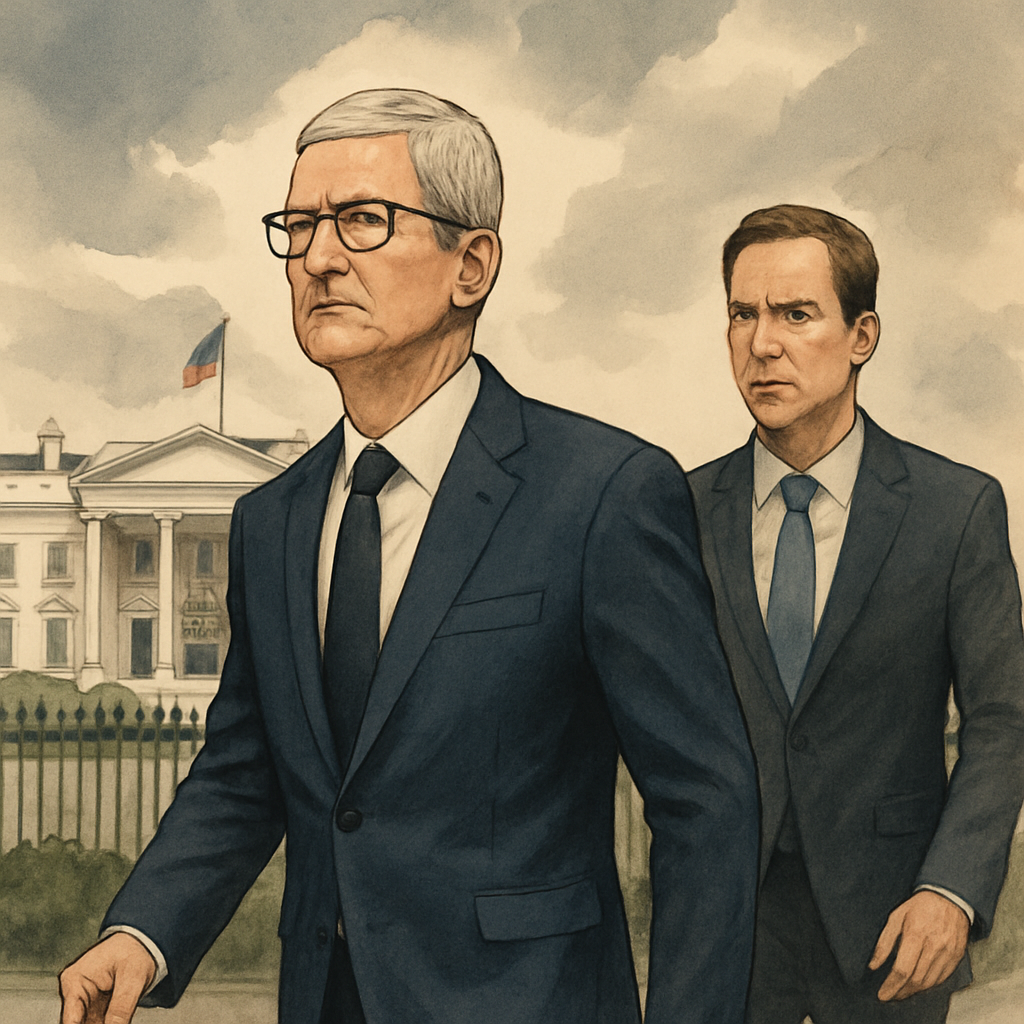
With John Ternus now leading Apple’s day-to-day operations, Tim Cook is stepping up in his evolving role as Executive Chairman by taking on a more public-facing diplomatic function. A senior source confirms that Cook will represent Apple at an upcoming White House state dinner honoring Chinese President Xi Jinping, a crucial event scheduled amid escalating tensions over technology, trade, and artificial intelligence policy. Visitors will also include OpenAI CEO Sam Altman. This move reflects Apple’s strategic positioning in a moment of international scrutiny, especially as US-China ties grow more fraught.
The Deputy Shielded from Controversy
Ternus stepped into the role of CEO earlier this year, managing Apple’s operational responsibilities while Cook assumed duties that involve government relations. The transition designates Cook as the primary voice in dealing with geopolitical issues and regulatory pressure. This separation of duties aims to allow Ternus greater room to focus on innovation and product development, relatively insulated from political storms.
Why the Dinner Matters
The state dinner at the White House occurs during a delicate phase in US-China relations, with debates about export rules, AI governance, and trade barriers heating up. Cook’s attendance—alongside leaders like Altman—will carry both diplomatic weight and risk, placing him at the intersection of politics and tech at a pivotal moment.
Cook’s earlier clashes with policymakers provide context: he’s publicly responded to immigration policy changes that impacted Apple employees, and pushed back on attempts to curtail the company’s diversity, equity, and inclusion (DEI) initiatives. In prior incidents, these stood at odds with certain federal mandates. As Chairman, Cook will likely absorb the associated reputational risk while defending Apple’s values and mission in legal and regulatory arenas.
Shifting this responsibility to Cook offers Ternus greater latitude. While Ternus still operates within policy constraints and can’t openly challenge laws or regulations, he is no longer on the front line when disputes arise over DEI practices, trade policy, or immigration law. Those disputes will go through Cook’s office instead.
This isn’t just about optics. It’s part of a broader trend where tech companies are jockeying for influence in the geopolitical sphere. Apple is aligning power struggles, diplomatic outreach, and internal policy debate under distinct leadership. Cook’s diplomatic role positions him as a buffer and spokesperson in global policy clashes.
Ultimately, this approach signals Apple’s awareness that tech leadership today means more than new devices—it also requires navigating complex global power dynamics. By placing Cook front-and-center in diplomacy and controversy, Apple hopes to preserve internal focus and allow its new CEO to drive innovation uninterrupted. Watch closely how Cook handles the White House dinner; it may set the tone for how Apple manages politics and perception in a world where both increasingly matter.