Google is rolling out a major upgrade to its smart-home ecosystem—introducing “Home MCP,” a new Model Context Protocol server that lets your chosen AI agent take real action across your Google Home setup. This early access feature lets agents like Google Antigravity, Claude, Hermes, and OpenClaw read your device history, monitor live-states, control hardware, and build custom dashboards. It’s now available to US users on Google Home Premium Advanced.
What Home MCP Actually Enables
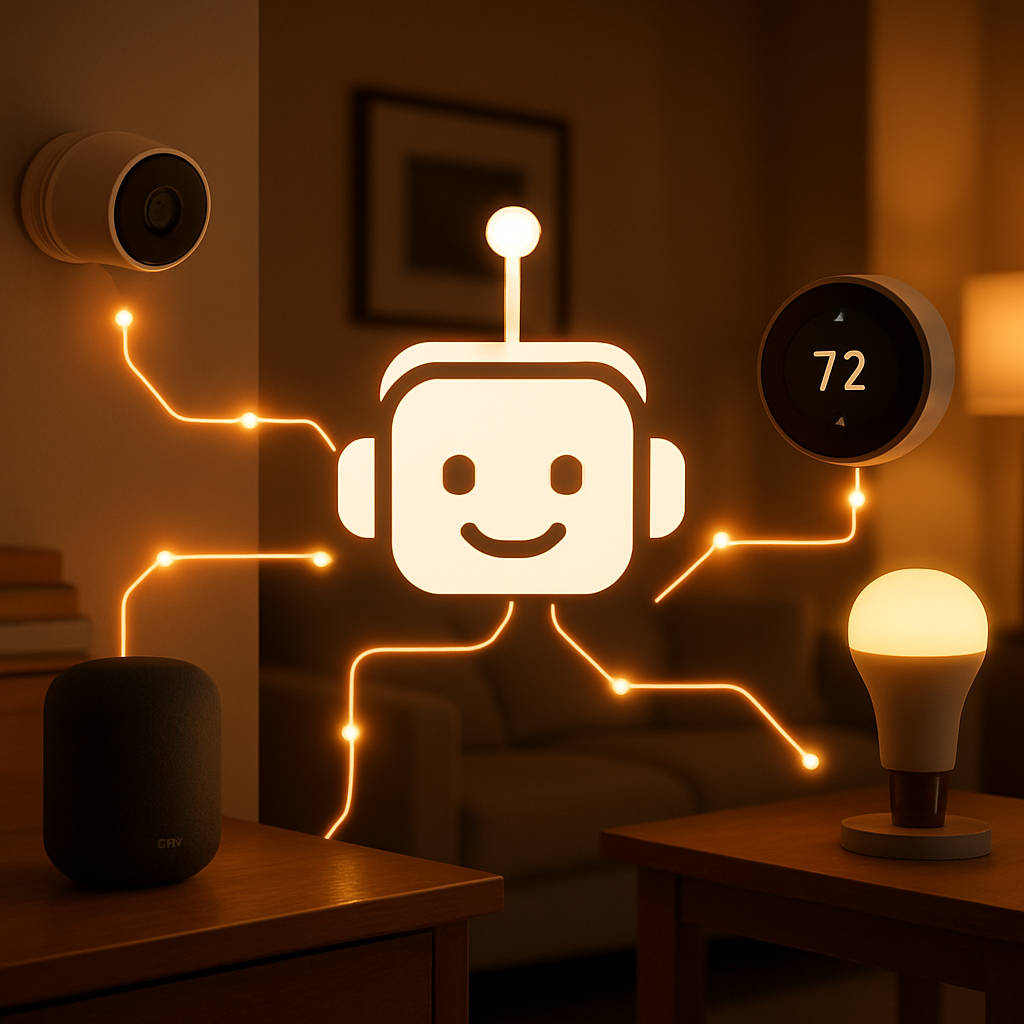
With Home MCP, your AI agent can do more than just respond—it can interact with your physical devices in meaningful ways. That means tracking when laundry was done, summarizing video across your Nest cameras, checking whether lights were left on, and even building you personalized smart home dashboards capable of interacting with devices in everyday language. Agents will also be able to send you audio messages via Google Home speakers when a task completes.
Security, Access, and Limitations
Google has built safety and privacy into Home MCP. Sensitive commands like unlocking doors are blocked. Rate limits and strict permissions remain in place. Users have to explicitly grant permissions, and access can be revoked through the Google Home app or their account settings.
To try Home MCP you’ll need: a US-based Google Home Premium Advanced subscription, English (US) locale, and a Google Cloud project. Also, your AI agent needs to support the MCP tooling so it can call into the protocol. As of now, control over high-risk hardware like door locks isn’t allowed. Some functionality, like automations, is still in the pipeline.
How It Fits Into the Smart-Home Landscape
Until now, Google Home’s intelligence was mostly anchored in its native assistant and built-in automations. Home MCP changes that: it puts third-party agents at the center, letting them tap into Google’s network of devices and histories directly. Developers get the benefit too via the companion “Home Developer MCP,” which surfaces documentation, Matter specs, Thread standards, and more to build tighter, more capable integrations.
What this means going forward:If you’ve ever wanted a truly “agentic” smart home—one where your AI does more than just respond—this is the jump start. The cousin initiative, Gemini for Home, had already pushed Google’s tools in that direction. But now you’ll be able to plug in your own AI agent, so long as it supports MCP, and have it handle things like monitoring, summarizing camera footage, and even building dashboards tailored to you.
This isn’t perfect yet: some capabilities are withheld, the rollout is limited to certain subscriptions and regions, and setting it up isn’t exactly friction-free. But it’s a leap toward making smart homes more flexible and agent-driven.
Analytical angle:Home MCP represents a pivot in smart home design philosophy—away from rigid, assistant-centric control toward agent-centric flexibility. This could redefine how users mix and match AI agents, giving them room to specialize (security, automation, user-centric summaries) and coexist. What to watch: how Google enforces safety, how third-party agents handle privacy, and whether broader rollout includes full automation features and unlockable hardware control. If done right, this may set the new standard for a smart home that no longer needs “Hey Google”—you tell your agent, and it takes care of things.