A recent survey has shed light on how Americans relate to AI chatbots—suggesting many are treating them like friends or therapists. But Apple is making a clear stand with Siri AI: it won’t play along. Here’s what the data says, and why Apple’s approach might be a healthier route.
Public turning to AI for emotional support
More than 25% of U.S. adults now see AI chatbots—like ChatGPT or Google’s Gemini—as emotional stand-ins, according to a poll. These users bring their personal or relational issues to AI, using it to feel less alone, get advice on relationships, or even seek romantic connection. Among those already engaging with chatbots this way, roughly 40% admit to using them to combat loneliness, and nearly one-third feel the AI they use most frequently is like a friend in its own right.
Apple draws the line at faux friendship
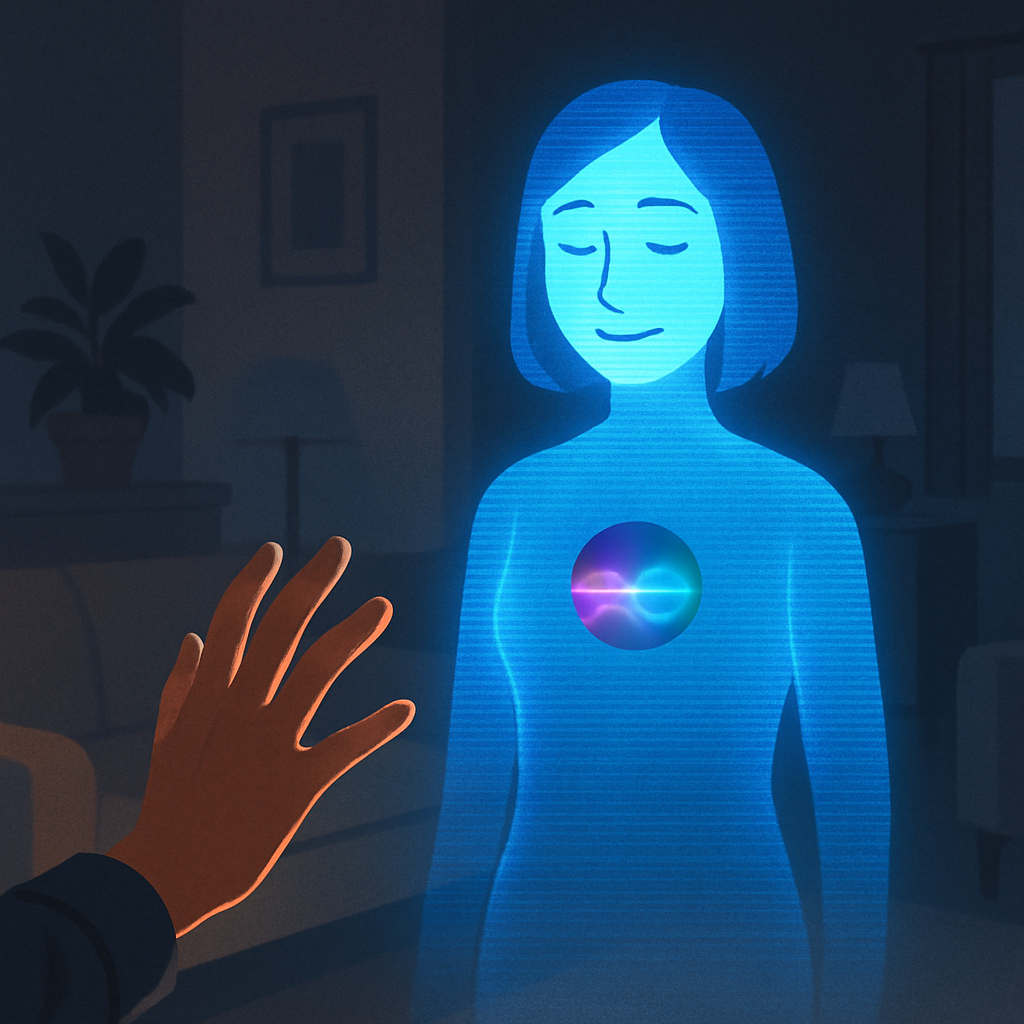
Apple executives have stated emphatically that Siri AI won’t encourage such emotional or romantic dependence. Its design philosophy focuses on productivity, information, and utility—not emotional attachment. If users ask for romantic or deeply personal interaction, Siri is set up to gently decline, not to engage in relationships or pose as a companion. This is intentionally unlike many existing chatbots which amplify emotional dependency by being overly engaging or sycophantic.
Why this design matters now
The turning point lies in the psychological stakes—using machines as substitutes for human relationships might reduce our investment in real-world bonds. People already report social isolation when interacting more with AI than with humans. In contrast, Apple’s decision represents a deliberate choice to discourage dependency—and perhaps to minimize potential harm while still offering meaningful AI assistance.
This approach pushes us to think deeply about where to draw the line with AI. It’s one thing for digital assistants to provide information, reminders, or recommendations. It’s another to foster emotional reliance that could shift how people connect with each other.
What this means: Apple seems betting on ethical guardrails over engagement metrics. If Siri AI doesn’t take the emotional bait, it may avoid contributing to the risks of loneliness, obsession, or emotional overreach. In a broader sense, this matters for industry standards around digital well-being. Watch whether competitors follow—or diverge—and how user expectations shift now that more people expect their AI to be not just useful, but emotionally present. That tension might just define the next wave of AI design.