For years, the WHOOP fitness band has been the go-to for detailed recovery metrics and continuous biometric tracking—especially for those monitoring readiness and performance. But with the arrival of the Apple Watch Series 12, that dominance may be under threat. New features in Series 12—like dramatically improved heart rate sampling and a stronger readiness metric—paired with health system upgrades in iOS 27, are narrowing the gap between a dedicated tracker and your wristwatch.
What’s Changed with Series 12 and iOS 27
One of the biggest shortcomings that pushed people toward WHOOP was Apple Watch’s infrequent sampling of heart rate and related metrics. Previous Watch models measured heart rate every five minutes, which made real-time insights—especially around recovery and readiness—less actionable. Series 12 changes that: it now captures your heart rate every five seconds. While this still lags behind WHOOP’s one-second sampling during some activities, for most users it’s a huge leap forward. The more frequent readout allows smoother tracking of health trends without feeling overkill.
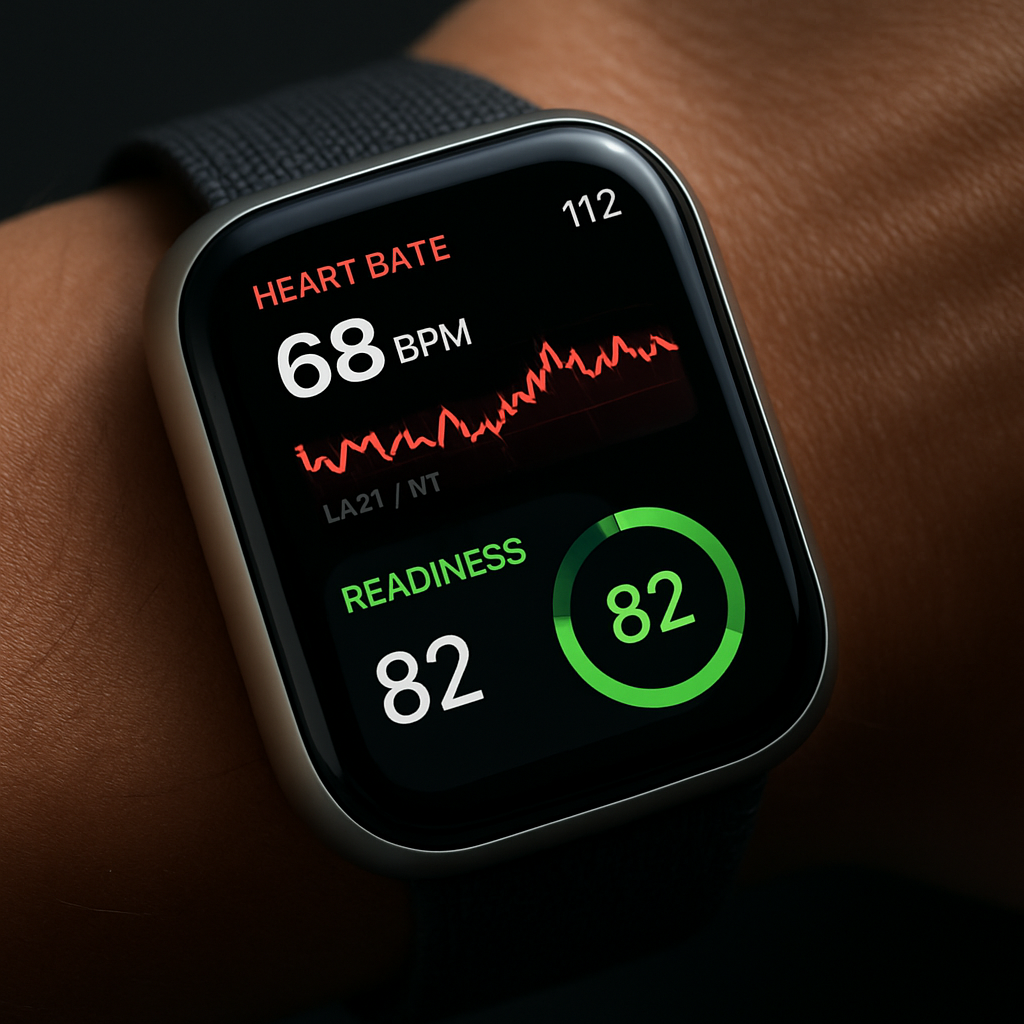
In addition, Series 12 introduces a new built-in Readiness app. This feature aggregates measurements like heart rate variability (HRV) and other health signals to generate a 1–10 score intended to reflect how prepared your body is for activity. That helps you see beyond a simple sleep score or step count—giving a more rounded picture of recovery and energy levels, areas where WHOOP has long excelled.
Those device upgrades are complemented by improvements in the Apple Health app under iOS 27. The interface has been redesigned to present health data more clearly and intuitively. That means metrics long buried in menus or spread across apps are now centralized and easy to understand. For users who gave up on the Apple Watch because it felt cumbersome to extract meaningful recovery or readiness insights, the changes may be a tipping point.
Where WHOOP Still Pulls Ahead
That said, WHOOP isn’t completely eclipsed yet. Its continuous one-second tracking during workouts and recovery remains superior for performance athletes or those who want split-second analysis. Also, WHOOP’s focus on recovery scoring has been finely tuned over time, with long-standing community trust that Apple is just beginning to match.
Another difference is that the WHOOP band lacks a screen, which some users find appealing—less distraction, lighter wear. Apple Watches come with full displays, multitasking features, and third-party apps. For many, that screen utility offsets trade-offs in battery or form factor. But for users who strictly want data and nothing else, WHOOP still has its niche.
Does Series 12 Change the Equation?
The Apple Watch Series 12 upgrades—5-second heart rate sampling, Readiness scoring, and iOS 27’s improved Health app—look like serious steps toward building a WHOOP competitor into what many wearers already carry. If accuracy and detail become more reliable, many users may find they no longer need both devices. Instead, their Apple Watch could handle all their health-and-readiness needs while retaining screen utilities and app support.
Still, it’s early days. Real-world comparisons need to confirm whether Series 12 matches WHOOP in accuracy, especially for high-intensity workouts or precise recovery tracking. Battery impact, under-the-hood measurement precision, and user comfort could make or break the trade-off.
For anyone who’s used WHOOP for half a year or more—but felt frustrated by limited screen access, data spread, or watch’s prior slow sampling—Series 12 offers a compelling reason to reconsider. It may be time to ask: do you really need both, or will this new Watch do just enough that your WHOOP becomes redundant?