Apple’s Smart Glasses Delayed to Late 2027; Vision Air Expected by 2029
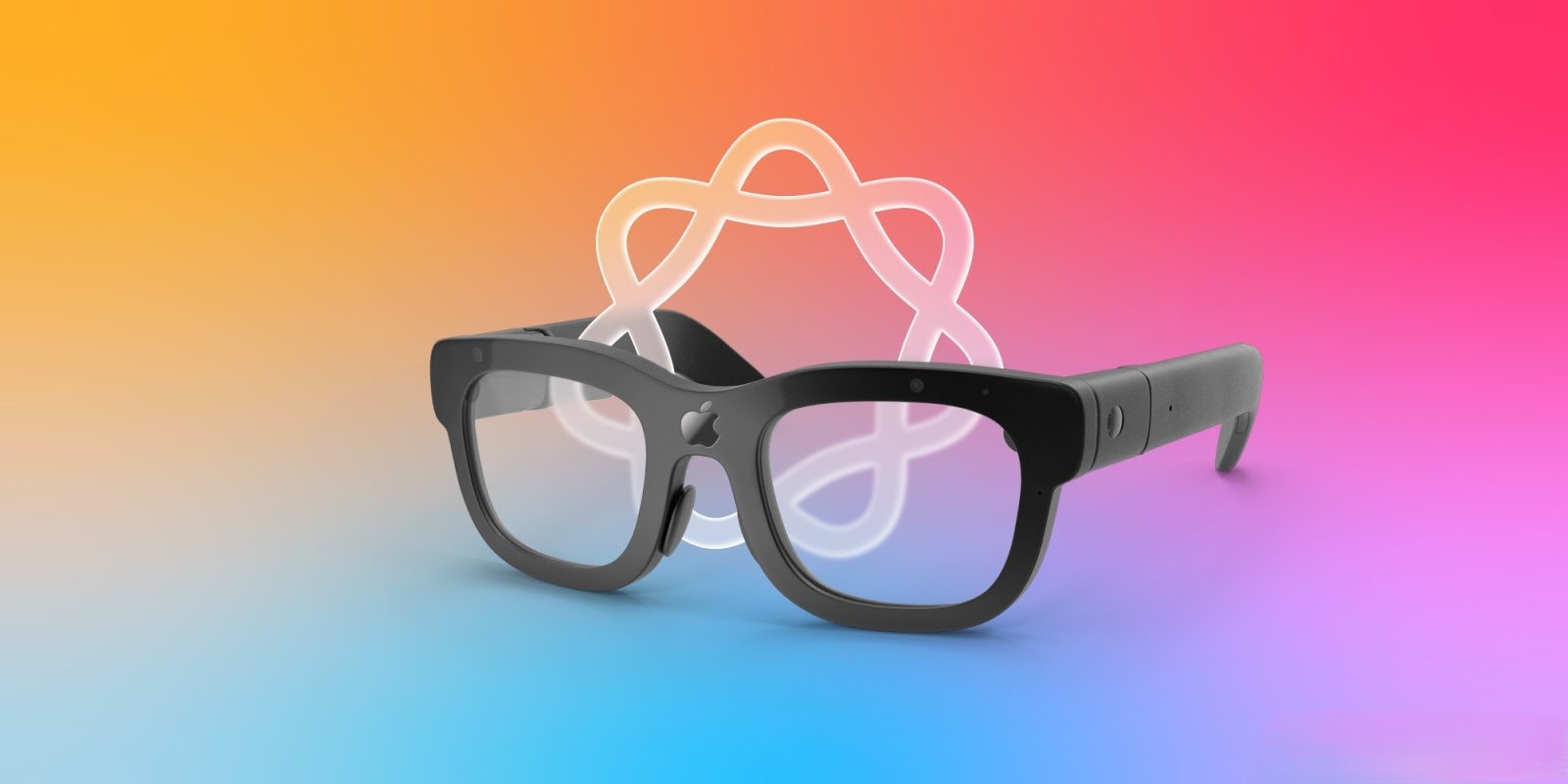
Apple’s foray into the smart eyewear market has encountered significant delays, with its AI-powered smart glasses now slated for a late 2027 release, and the more affordable Vision Air headset anticipated by 2029. These developments reflect the company’s strategic adjustments in response to technological challenges and market dynamics.
Apple’s Smart Glasses: A Delayed Vision
Initially, Apple aimed to unveil its smart glasses, internally codenamed N50, by the end of 2026, with a market debut in early 2027. However, according to Bloomberg’s Mark Gurman, unforeseen obstacles have pushed the launch to late 2027. These glasses are designed to integrate seamlessly with Apple’s ecosystem, offering features such as oval-shaped cameras, diverse color options, and multiple frame styles. Over time, Apple envisions these glasses evolving into health devices with augmented reality capabilities to enhance users’ vision.
The delay is partly attributed to the need for more advanced visual AI technology, which is crucial for the glasses’ functionality. Apple is committed to delivering a polished product and is taking additional time to refine its visual intelligence features to ensure a compelling user experience.
Vision Air: A Lighter, More Affordable Alternative
In parallel, Apple is developing Vision Air, a slimmer and lighter version of its Vision Pro headset. Initially, reports suggested that Vision Air’s development was on hold. However, recent insights indicate that Apple is actively working on this project, with a potential release in late 2028 or 2029. Vision Air aims to address the design and pricing challenges that affected the Vision Pro, offering a more accessible entry point into Apple’s spatial computing offerings.
Market Implications and Competitive Landscape
Apple’s strategic adjustments come amid a rapidly evolving market for wearable technology. Competitors like Meta have already introduced products such as the Ray-Ban Meta smart glasses, which combine style with functionality. Apple’s delayed entry suggests a cautious approach, prioritizing product refinement over rapid market penetration.
The company’s focus on integrating advanced AI and augmented reality features into its eyewear indicates a long-term vision to redefine user interaction with digital content. By taking the time to perfect these technologies, Apple aims to set a new standard in the wearable tech industry.
Conclusion
While the delays in Apple’s smart glasses and Vision Air projects may disappoint eager consumers, they underscore the company’s commitment to quality and innovation. As Apple continues to refine its offerings, the eventual release of these products is poised to make a significant impact on the wearable technology landscape, offering users new ways to interact with the world around them.