Apple Vision Pro: A New Era Under John Ternus’ Leadership
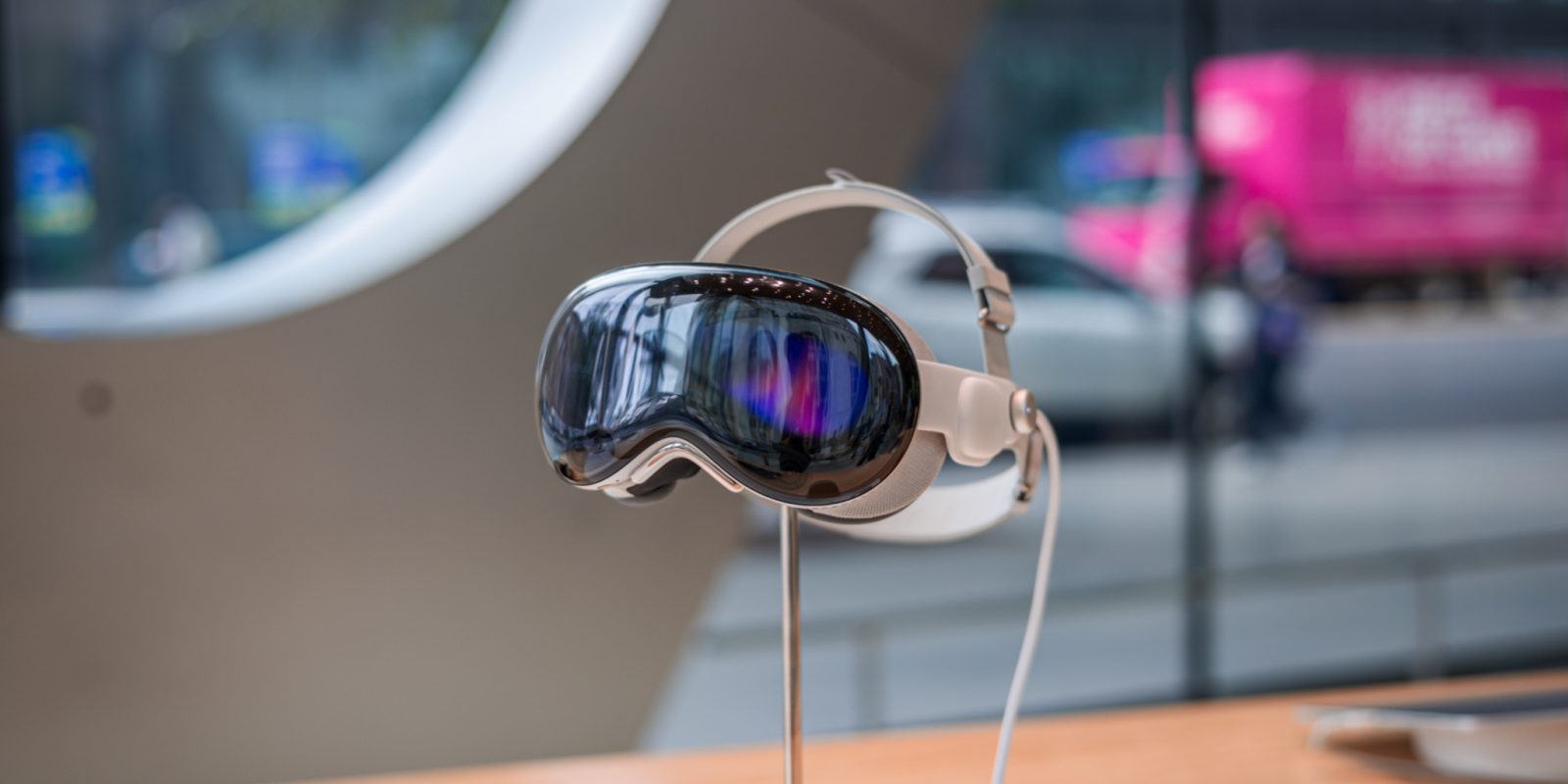
Apple’s Vision Pro, introduced as a groundbreaking step into spatial computing, has faced a series of challenges since its debut. Despite its potential to redefine user interaction with digital content, the device has been criticized for its lack of refinement and clear direction. With John Ternus set to assume the role of Apple CEO, there is cautious optimism about the future trajectory of Vision Pro.
A Multifaceted Device Lacking Depth
The Vision Pro boasts an array of impressive features, yet many users find these capabilities underdeveloped. The Mac Virtual Display, for instance, offers an innovative workspace but is hindered by the headset’s weight, making prolonged use uncomfortable. While the device provides an immersive experience for watching movies and shows, the absence of native applications from major streaming platforms diminishes its appeal. Additionally, the multitasking functionality shows promise, but the typing experience remains cumbersome, and the dictation feature lags behind industry standards.
These shortcomings suggest that while the hardware presents exciting possibilities, the software and user experience require significant refinement. Addressing these issues could transform Vision Pro from a novel gadget into an essential tool for consumers.
Leadership Ambiguity and Its Impact
The development and launch of Vision Pro appear to have been affected by a lack of decisive leadership. Former CEO Tim Cook was a strong advocate for augmented reality (AR), viewing Vision Pro as a stepping stone toward broader AR applications. However, reports indicate that Cook often delegated critical decisions to his executive team, leading to a diffusion of responsibility. Notably, John Ternus, who is poised to become the next CEO, was reportedly skeptical about the Vision Pro’s initial form factor—a bulky headset priced at $3,500. This internal skepticism may have contributed to the product’s perceived lack of enthusiasm and incomplete development.
Despite his initial reservations, Ternus has expressed optimism about the future of Vision Pro, describing the current iteration as being in its early innings and emphasizing the significant potential for growth and improvement.
Anticipated Changes Under New Leadership
While immediate transformations are unlikely, given that Ternus will officially assume the CEO role in September and that visionOS 27 is already in development, there is hope for a revitalized approach to Vision Pro in the coming years. Reports suggest that plans for a more affordable and lightweight version, dubbed Vision Air, have been shelved. Therefore, substantial changes to the Vision Pro lineup may not materialize until at least 2028.
For Vision Pro to realize its full potential, it requires dedicated attention and strategic direction. The concept of shared experiences with distant friends and family is compelling, but widespread adoption hinges on the device becoming more accessible and user-friendly. Strong leadership is essential to drive these improvements and to position Vision Pro as a transformative product in the tech landscape.