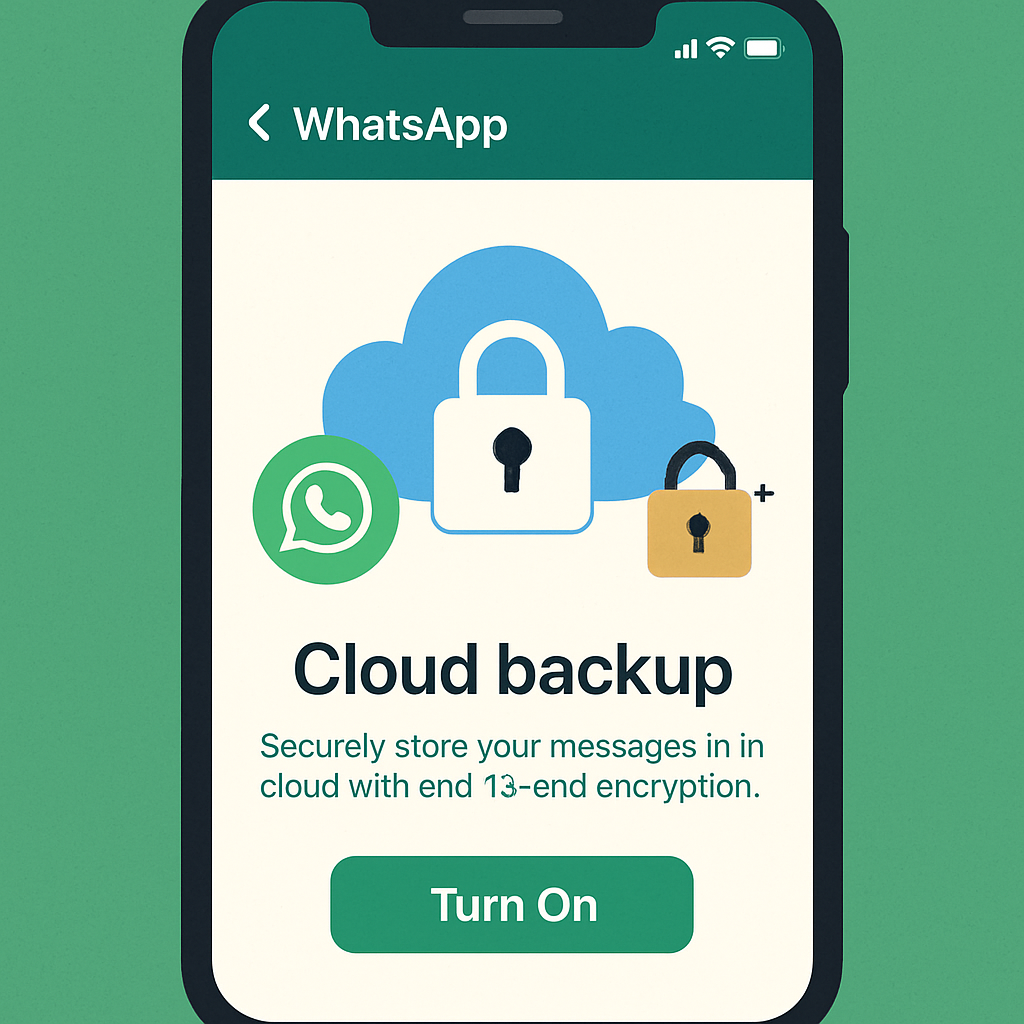
WhatsApp is developing an in-app cloud storage solution for iPhone users, offering an alternative to iCloud for chat backups. This feature, identified in the iOS beta version 26.28.10.16, allows users to select their preferred backup destination directly within the app’s settings, with iCloud remaining the default option.
Previously, WhatsApp users on iOS relied solely on iCloud for backing up their chat histories. The introduction of WhatsApp’s proprietary cloud storage provides users with more flexibility and control over their data. This development mirrors a similar feature spotted in April for Android users, aiming to offer an alternative to Google Drive for backups.
Under the proposed plan, WhatsApp will offer 2GB of free storage on its servers. For users requiring more space, a 50GB tier will be available at approximately $0.99 per month, aligning with Apple’s entry-level iCloud+ plan. Additionally, a 1TB option is reportedly in development, though specific details and pricing may evolve before the feature’s official release.
A significant aspect of this new backup solution is its security measures. Backups stored on WhatsApp’s servers will be protected by end-to-end encryption (E2EE) by default, with no option to disable this feature. This approach offers stronger protection compared to iCloud backups, where users must manually enable Advanced Data Protection (ADP) to achieve similar encryption levels. WhatsApp plans to recommend securing backups with a passkey, though users can also opt for a password or a 64-digit key.
As of now, this feature is still under development and is not yet functional for beta testers. WhatsApp has not announced a timeline for the official launch of this backup alternative.
Introducing an in-app cloud backup option signifies WhatsApp’s commitment to enhancing user data security and providing more storage flexibility. By offering end-to-end encryption by default, WhatsApp addresses growing concerns about data privacy. Users should monitor upcoming updates for the official rollout of this feature, which promises to offer a more secure and customizable backup experience.