Bloom, a Detroit-based startup founded in 2023, is aiming to transform how hardware companies find suppliers in the U.S., and it just raised $3.6 million in seed funding to accelerate that goal. When co-founder Justin Kosmides launched the company, he wanted to help mobility brands like e-bike and e-scooter makers overcome costly supply chain, manufacturing, and logistics hurdles. But geopolitical shifts—especially new tariffs after Donald Trump’s re-election—pushed hardware demand higher in multiple sectors, including robotics and drones. Bloom responded with a rethink.
From Doing to Connecting: Bloom’s Pivot
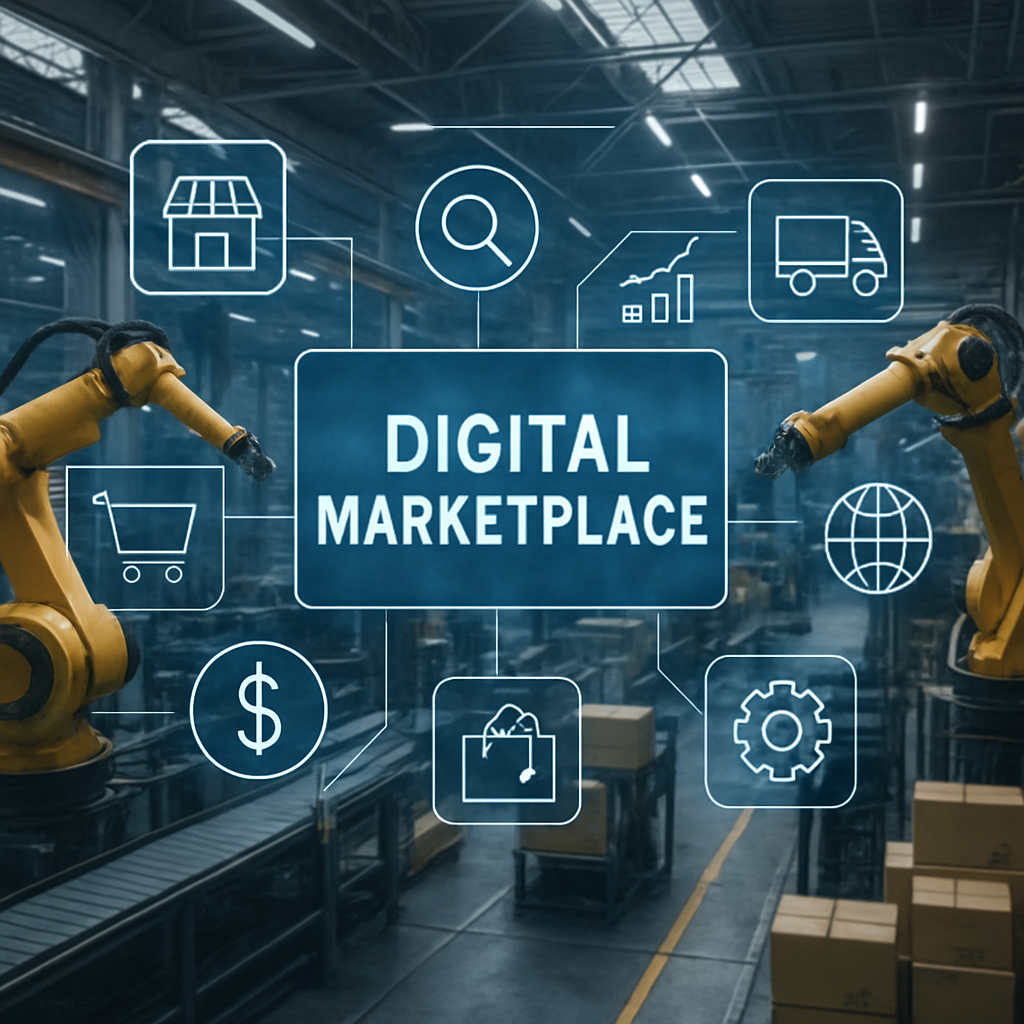
Rather than build and deliver complex manufacturing services itself, Bloom shifted to a marketplace model. It now works as an AI-powered matchmaker: companies post procurement needs, parts or services, and vetted suppliers bid. Beyond simply discovering providers, the platform handles quoting, booking, payments, and logistics functions like warehousing, freight, and hazardous-materials handling.
Bloom reports it has matched over 2,000 supplier relationships spanning 140 companies. During its platform’s reinvention, it saw a dramatic boost in traction: membership on the site jumped fivefold with very low customer churn. Revenue hit a milestone too, with the company earning in five months what it made in all of 2025. That performance helped convince investors.
Seed Round and Stakeholders
The $3.6 million seed stage was led by SNAK Venture Partners, a fund focused on early-stage marketplaces. Other participants included Flyover Capital, Mana Ventures, and local Detroit-based investors like Detroit Venture Partners and Invest Detroit Ventures. Kosmides said the raise allows Bloom to shift gears—from years of fundraising to now building and scaling.
SNAK had originally passed on Bloom in its pre-seed phase, impressed by the team and thesis but waiting for more proof. That proof arrived via platform growth and revenue acceleration. The fund ultimately saw in Bloom “the potential for a category-defining marketplace” for mobility, drone manufacturers, and other hardware-heavy sectors.
What Makes Bloom Different
Bloom believes U.S. manufacturing lacks robust digital tools for finding and managing supplier relationships end to end. While marketplaces like Fictiv or Xometry are strong for sourcing specific parts such as CNC machining, Bloom’s broader vision spans contract manufacturing, engineering design, assembly, freight, warehousing, repairs, and more—all in one place.
The company’s competitive edge lies in its growing data layer. Some supplier info is collected publicly (via websites, etc.), while 30–40% comes in directly from manufacturers themselves. Combined with transactional data as matches happen, the platform learns and improves its matchmaking over time.
One example: a Michigan contract manufacturer that once handled small specialty jobs—like refurbishing smart thermostats or e-scooters—now bids on drone assembly contracts thanks to visibility and bids through Bloom. Kosmides emphasizes that discovery and matchmaking are the functions most missing in U.S. manufacturing—and that’s the focus of Bloom’s mission.
Why this matters: The U.S. has long trailed in creating seamless supply chain networks like China’s, where platforms like Alibaba have made supplier discovery and contracting more accessible. Bloom’s model could help reverse that, enabling smaller manufacturers to gain access to bigger contracts and opening up the supply chain ecosystem across hardware verticals.
The startup now faces the challenge of scaling reliably—ensuring supplier vetting, data accuracy, and quality control remain strong as the network grows. Watch how fast Bloom can expand beyond Detroit, attract top-tier suppliers, and become a go-to marketplace for everything from drones to electric vehicles in America.