WhatsApp is advancing its design overhaul by introducing the Liquid Glass aesthetic to its iPad application. This update follows the recent broader implementation of the design on iPhones and ongoing development for Mac users.
Initially, the Liquid Glass design was introduced to a limited number of iOS users in October 2025, focusing on elements like the bottom navigation bar and parts of the Chats interface. The rollout has been gradual, with a more extensive release occurring in May 2026. Concurrently, efforts to adapt this design for the Mac platform began in early June 2026, featuring updates such as a redesigned sidebar with text labels, an enhanced chat bar, a refreshed attachment menu, and a dedicated section for locked chats.
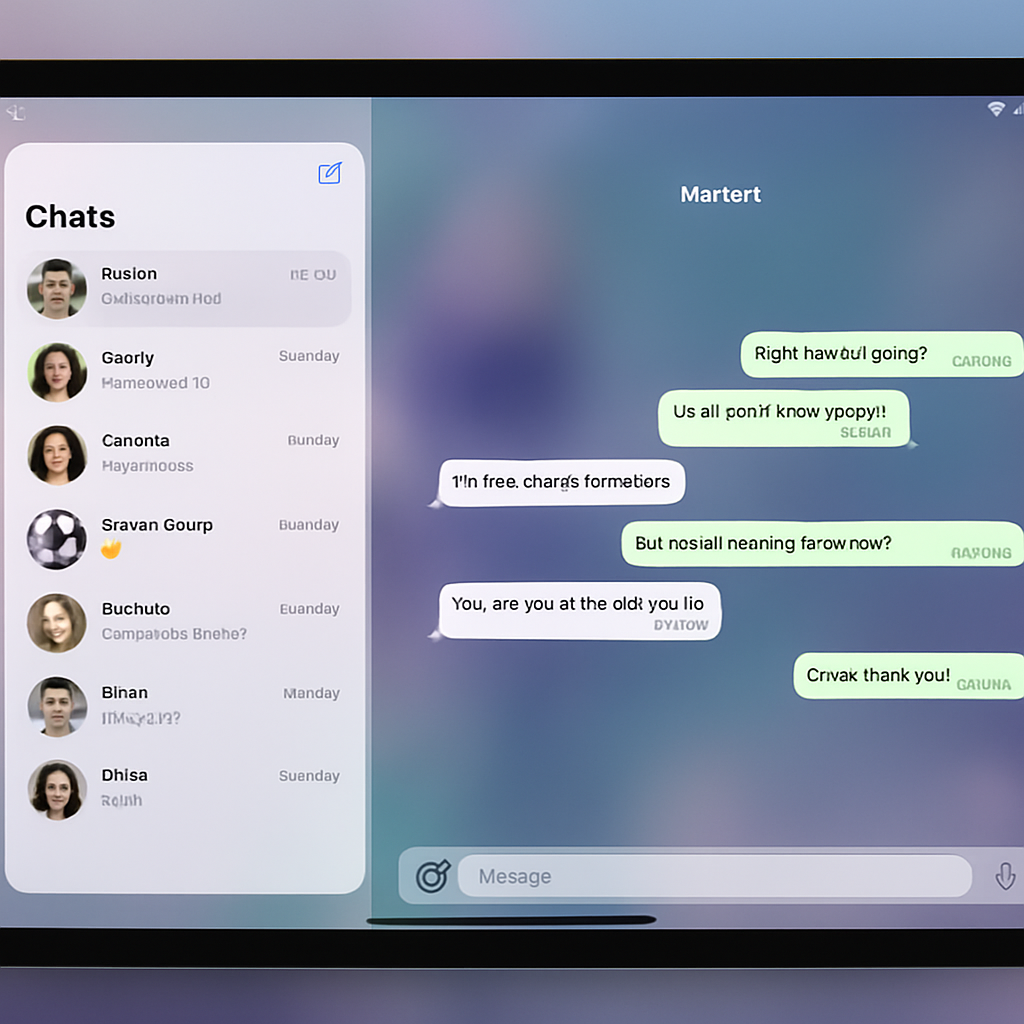
Now, the focus has shifted to the iPad. Users participating in the WhatsApp beta on iPadOS have reported access to the redesigned interface. Key features of this update include a floating Chats sidebar and Liquid Glass-inspired tabs, buttons, and context menus. The tab bar at the bottom now floats above the interface as a semi-transparent element, and the navigation bar at the top becomes more transparent as users scroll through the chat list, revealing underlying content. Additionally, buttons throughout the interface adopt a frosted glass appearance and respond with fluid animations when tapped, enhancing the overall user experience.
As with previous stages of the Liquid Glass rollout, access to this design on the iPad is currently limited to a select group of beta testers. A broader release is anticipated in the coming weeks, though WhatsApp has not provided a specific timeline for when all users will receive the update.
WhatsApp’s methodical approach to implementing the Liquid Glass design across its platforms reflects a commitment to ensuring a cohesive and polished user experience. By gradually introducing these changes and gathering user feedback, WhatsApp aims to refine the interface to meet user expectations. This phased rollout strategy underscores the importance of user-centric design in maintaining the app’s widespread popularity and usability.