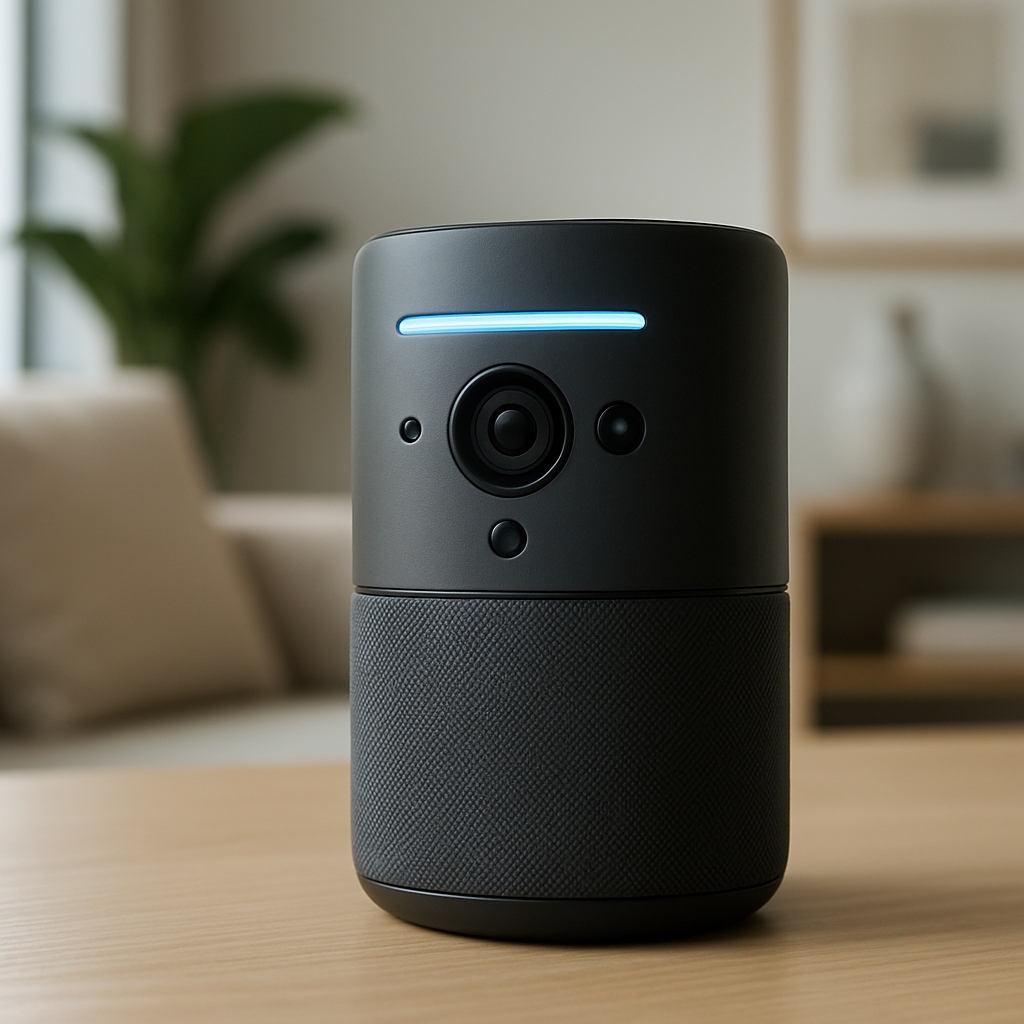
OpenAI, in collaboration with renowned designer Jony Ive, has been developing a new AI hardware device. Initially teased over a year ago, the device was described as a groundbreaking innovation in the realm of artificial intelligence hardware.
Recent reports indicate that this forthcoming product is a portable, screen-free smart speaker equipped with a camera and various sensors. These features aim to provide the device with an understanding of its surroundings and context, leveraging advanced AI models to enhance user interaction beyond the capabilities of traditional smart speakers.
However, this development places OpenAI’s device in potential competition with Apple’s anticipated AirPods Ultra. The upcoming AirPods model is rumored to incorporate built-in infrared cameras in both earbuds. These cameras are designed not for capturing photos or videos but to work alongside Siri, offering contextual awareness of the user’s environment. This functionality positions the AirPods Ultra as a direct competitor in the space of AI-enhanced audio devices.
While smart speakers and earbuds serve different primary functions, there is a notable overlap in their use cases, especially concerning AI-driven environmental awareness and user interaction. OpenAI’s device, intended for stationary use within the home, offers hands-free operation accessible to multiple users. In contrast, the AirPods Ultra provides a personal, on-the-go solution with similar AI capabilities.
Given Apple’s established ecosystem and the widespread popularity of the AirPods line, OpenAI’s entry into this market segment presents a significant challenge. The success of OpenAI’s smart speaker will likely depend on its ability to offer unique features and integrations that distinguish it from existing products, particularly those from Apple.
As the AI hardware landscape evolves, the competition between OpenAI’s smart speaker and Apple’s AirPods Ultra underscores the growing emphasis on integrating advanced artificial intelligence into consumer audio devices. Consumers can anticipate a range of options that blend high-quality audio with intelligent, context-aware functionalities, enhancing everyday interactions with technology.