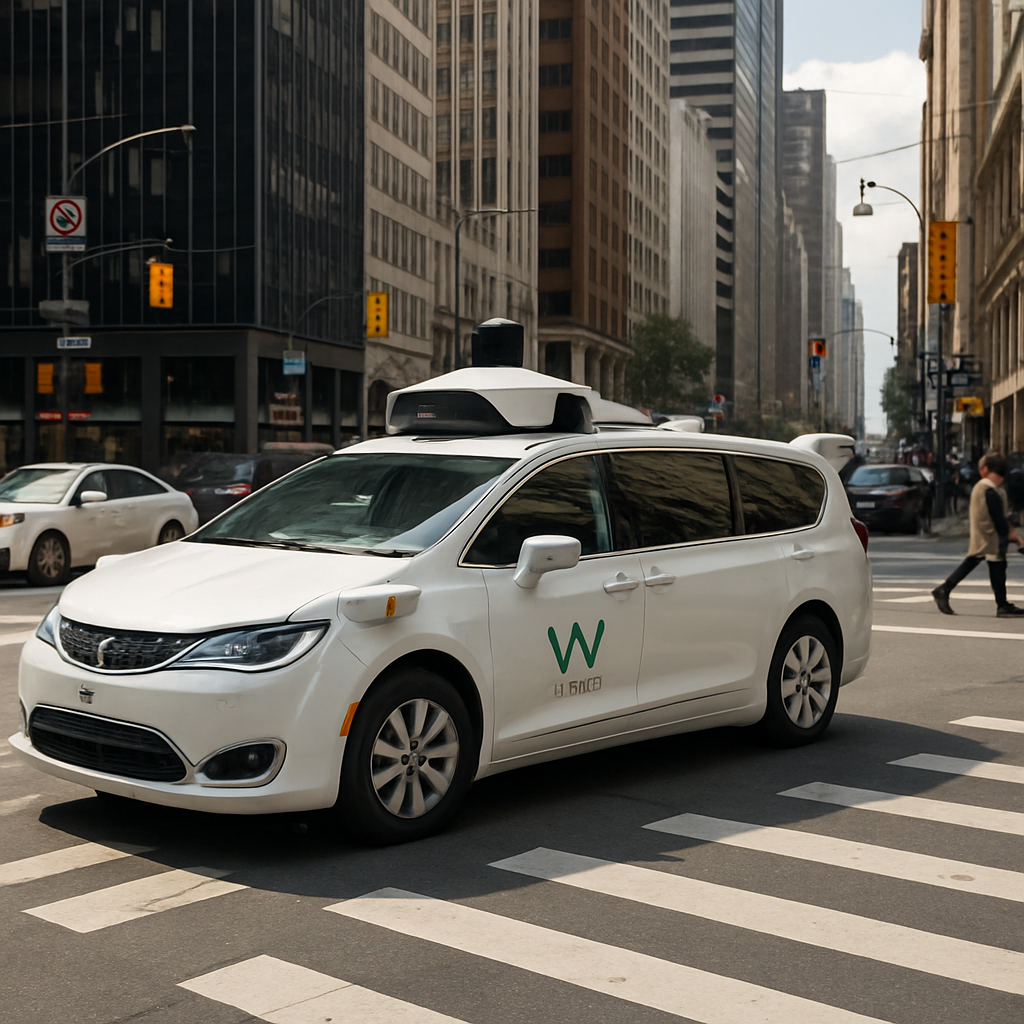
Waymo has introduced a new computer model, developed in collaboration with TU Delft, to more accurately compare its autonomous driving software to human drivers. This model, detailed in a recent Nature Communications publication, utilizes active inference—a theory suggesting drivers continuously envision potential outcomes to choose the safest path.
According to Waymo, this model serves as a behavioral benchmark for autonomous systems, realistically representing how a careful and competent human driver responds to traffic conflicts. Unlike previous models that focused on last-second reactions, the Reference Driver can simulate a driver’s internal surprise during conflicts, providing a more human-like benchmark.
Waymo asserts that this model can be adapted to represent a wide range of road user behaviors beyond collision avoidance and is better equipped to handle large datasets with thousands of scenarios. The company encourages collaboration to further develop and refine the Reference Driver.
As autonomous vehicles become more prevalent, establishing accurate benchmarks is crucial for assessing their safety and performance. Waymo’s initiative represents a significant step toward understanding and improving how robotaxis interact with human drivers and complex traffic situations.
Source: TechCrunch